10400 Clarence Drive, Frisco, TX 75033
Support 24/7: 945-777-3345
Rooftop Air Conditioning Installation in Dallas: Cost, Process & Benefits

Rooftop Air Conditioning Installation in Dallas: Cost, Process & Benefits

Why Rooftop AC Installation in Dallas Demands Expert Execution

Rooftop air conditioning installation in Dallas is not a DIY project. The intense Texas heat, unpredictable storms, and strict building codes make it a job for licensed HVAC professionals. Improper installation can lead to refrigerant leaks, electrical hazards, and a lifespan cut short by years.

Dallas commercial buildings rely on rooftop units (RTUs) for efficient cooling. These systems save valuable ground space and provide zone control for multi-tenant properties. But they must be sized, mounted, and connected with precision.

Supremacy Service has installed hundreds of rooftop AC units across Dallas-Fort Worth. Our team understands the unique challenges of the region, from crane logistics to code compliance. We ensure your investment delivers peak performance.

For a seamless installation, trust our rooftop AC unit installation Dallas experts. We handle every detail, from permits to final testing.
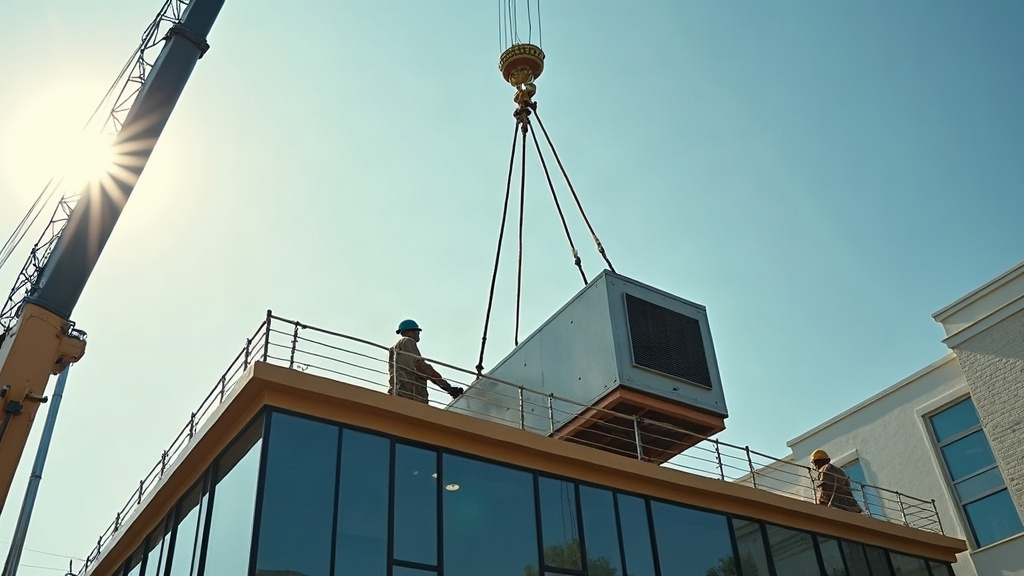
Crane lifting a rooftop HVAC unit for installation in Dallas
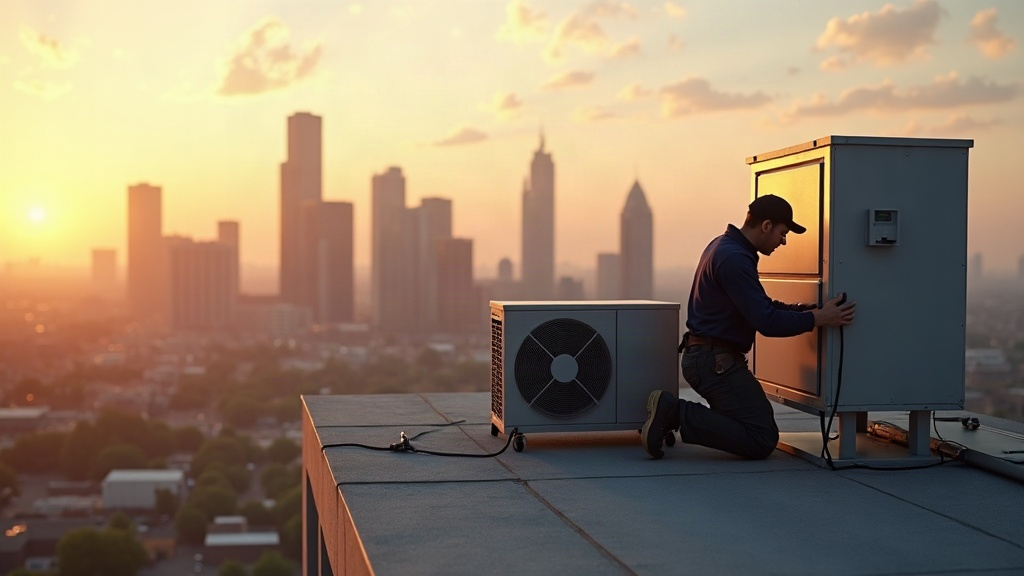
Rooftop AC installation in progress in Dallas

Rooftop Air Conditioning Installation Cost in Dallas: 2026 Breakdown

Understanding the cost of rooftop air conditioning installation in Dallas is crucial for budgeting. Prices vary based on unit size (tonnage), brand, building height, and required modifications. On average, you can expect to pay between $8,000 and $25,000 per unit, including labor and materials.

Key cost factors include:

  • Unit capacity: 5-ton to 25-ton packaged units.
  • Crane rental: $1,500 to $3,500 per day.
  • Electrical work: $1,000 to $5,000 for new circuits or panel upgrades.
  • Ductwork modifications: $800 to $3,000.
  • Permits and inspections: $300 to $1,200.

Below is a comparative table of typical costs for different building types in Dallas. Note that these are estimates; a site survey is required for an accurate quote.

Building Type Unit Size (Tons) Estimated Cost Range Installation Time
Small Retail (1,500 sq ft) 5-7.5 $8,000 – $12,000 1-2 days
Medium Office (5,000 sq ft) 10-15 $15,000 – $22,000 2-3 days
Large Warehouse (10,000+ sq ft) 20-25 $25,000 – $45,000 3-5 days

Investing in a high-efficiency unit can reduce long-term energy costs. Our team can help you calculate ROI based on Dallas energy rates.

For a detailed quote, contact us for HVAC installation Dallas TX services.
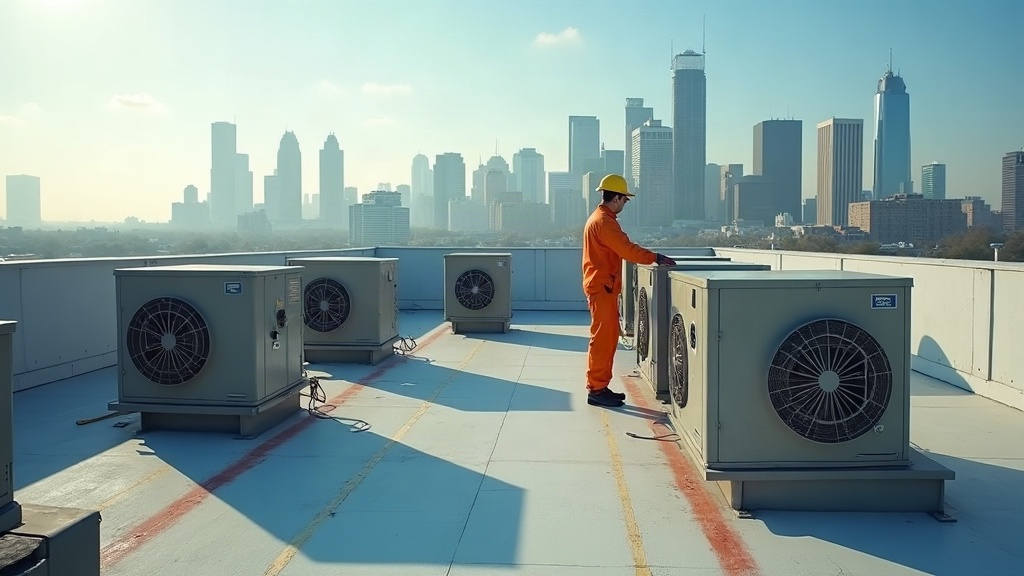
Technician inspecting rooftop AC units in Dallas
Rooftop AC units installed on a Dallas commercial building

The Step-by-Step Process of Rooftop AC Installation in Dallas

A professional rooftop AC installation in Dallas follows a rigorous process. First, we conduct a load calculation using Manual J to determine the correct tonnage. This prevents oversizing, which leads to short cycling and high humidity.

Next, we inspect the roof structure to ensure it can support the unit’s weight. Many Dallas roofs require curb adapters or reinforcement. We then coordinate crane delivery and set the unit in place.

Electrical connections must meet NEC and local Dallas codes. We run dedicated circuits and install disconnects. Ductwork is sealed and insulated to prevent leaks. Finally, we charge the system, test airflow, and calibrate controls.

Our team also handles permits and inspections, ensuring a hassle-free experience. For related services like ductwork, see our ductwork installation Dallas TX page.

Benefits of Rooftop Air Conditioning for Dallas Businesses

Rooftop AC units offer numerous advantages for Dallas commercial properties. They free up ground space for parking or expansion. They also provide better security, as units are less accessible to vandals.

Additionally, rooftop installation allows for zoned cooling, which can significantly cut energy costs. Modern RTUs often come with economizers that use outside air for free cooling during mild Dallas winters.

Maintenance is also easier and safer for technicians. With proper service, a rooftop unit can last 15-20 years, outperforming many ground-mounted systems.

For comprehensive commercial HVAC solutions, explore our commercial plumbing Dallas services. We offer a full range of building maintenance.

Business owner and HVAC contractor on a Dallas rooftop with new AC unit
Dallas business owner satisfied with new rooftop AC installation

Choosing the Right Rooftop AC Unit for Dallas Climate

Dallas summers are brutal, with temperatures often exceeding 100°F. Your rooftop AC must be sized correctly and have a high SEER rating (15+). Look for units with corrosion-resistant coils, as Dallas can have hail and heavy rain.

Variable-speed compressors are ideal for precise temperature control and humidity removal. Brands like Trane, Carrier, and Lennox are popular for their reliability in Texas.

We recommend Energy Star certified units to maximize savings. According to Energy Star, high-efficiency HVAC systems can reduce energy bills by up to 20%.

Our technicians are factory-trained on all major brands and can help you select the best model for your building.

Common Mistakes to Avoid in Rooftop AC Installation in Dallas

One major mistake is hiring unlicensed contractors. In Dallas, HVAC work requires a license and permits. Unpermitted work can lead to fines and insurance issues.

Another mistake is neglecting roof condition. Installing a heavy unit on a weak roof can cause leaks or collapse. Always have a structural assessment.

Improper duct sealing is also common. Leaky ducts waste up to 30% of cooled air, driving up costs. Ensure all connections are sealed with mastic or foil tape.

Lastly, skipping regular maintenance voids warranties. Schedule bi-annual tune-ups to keep your system running smoothly.

Maximize Efficiency: Maintenance Tips for Dallas Rooftop AC Units

Regular maintenance is key to prolonging the life of your rooftop AC. In Dallas, change filters monthly during peak cooling season. Keep the condenser coils clean and free of debris.

Check for refrigerant leaks annually. A certified technician should inspect electrical connections and lubricate moving parts. Consider a preventive maintenance plan, like our Membership for Supremacy, which includes priority service and discounts.

During winter, cover the unit to protect it from freeze damage, but ensure proper ventilation. Also, trim nearby trees to prevent debris buildup.

By following these tips, you can avoid costly breakdowns and extend your unit’s lifespan by years.

Need Expert Rooftop AC Installation in Dallas?

Call Supremacy Service today for a free consultation and a precise quote on your rooftop HVAC project.

Frequently Asked Questions

How long does rooftop AC installation take in Dallas?

Most installations take 1 to 3 days, depending on unit size, crane availability, and any necessary electrical or ductwork modifications.

What permits are required for rooftop AC installation in Dallas?

You need a mechanical permit and possibly an electrical permit from the City of Dallas. A licensed contractor will handle these for you.

How much does a rooftop AC unit cost in Dallas?

Costs range from $8,000 to $45,000+ per unit, including equipment, labor, crane, and modifications. Get a site-specific quote for accuracy.

Can I install a rooftop AC myself in Dallas?

No, it’s illegal and dangerous. Dallas requires licensed HVAC professionals for refrigerant handling, electrical work, and structural mounting.

What SEER rating is best for Dallas?

Aim for SEER 15 or higher. Higher SEER units cost more upfront but save significantly on cooling bills in Dallas’s hot climate.
Gas Line Repair in Dallas: Warning Signs, Safety & Repair Process

Gas Line Repair in Dallas: Warning Signs, Safety & Repair Process

Gas Line Repair in Dallas: Critical Warning Signs You Can’t Ignore

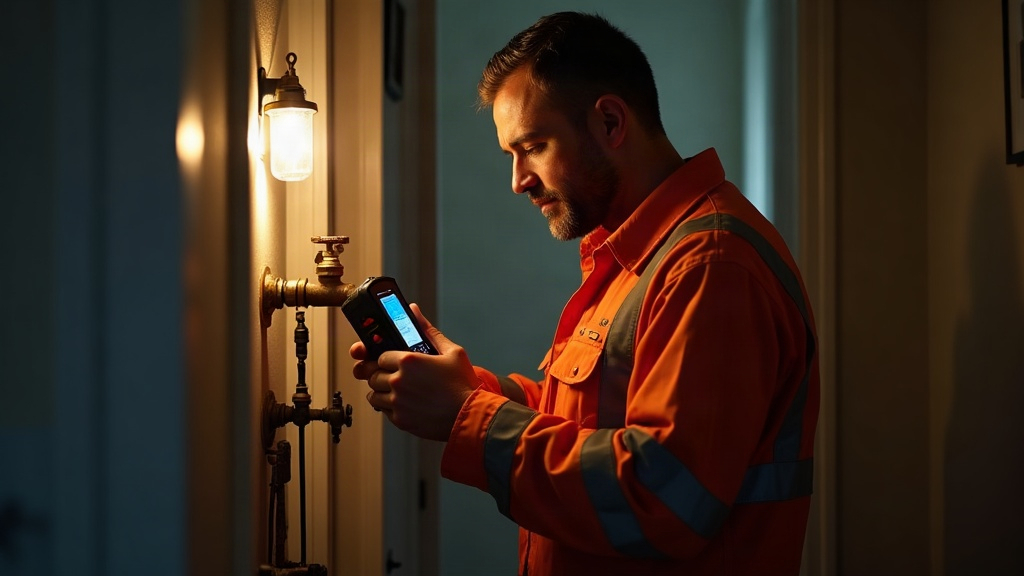
If you smell rotten eggs near your gas appliances, you have a potential gas leak, evacuate immediately and call 911. In Dallas, natural gas powers over 60% of homes, making prompt gas line repair in Dallas a life-saving service. Common warning signs include a sulfur odor, hissing sounds near gas lines, dead grass patches above buried lines, and unexplained spikes in your gas bill.

Physical symptoms like headaches, dizziness, nausea, and fatigue can indicate carbon monoxide exposure from a faulty gas appliance. If you experience these, seek fresh air and medical attention right away. A certified HVAC technician can perform gas leak detection in Dallas using electronic detectors and pressure tests to pinpoint leaks.

Never ignore minor leaks, they can escalate into explosions. Supremacy Service offers emergency gas line repair in Dallas with licensed plumbers and HVAC experts available 24/7.

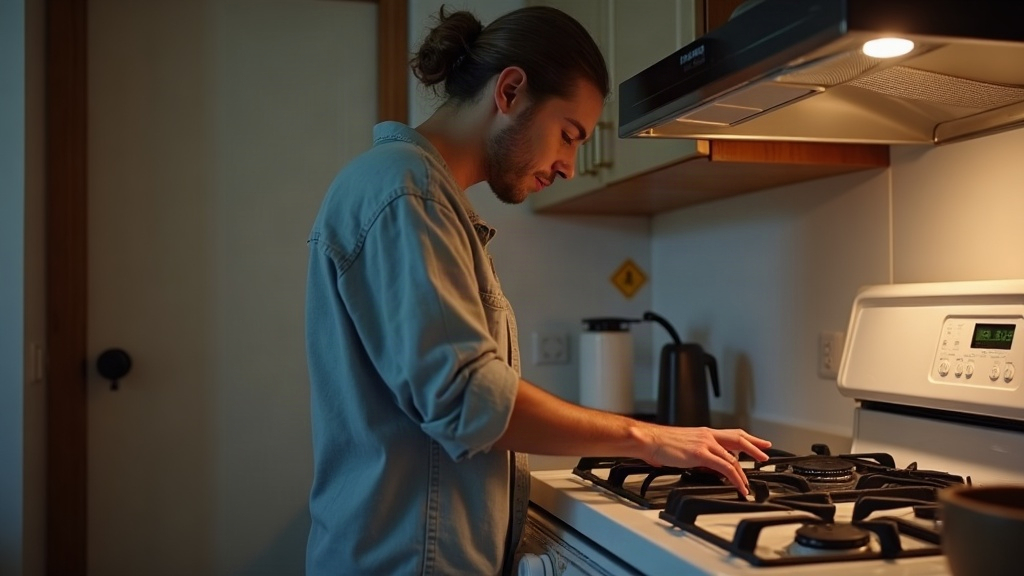
Concerned homeowner checking gas stove for leaks in Dallas
Recognizing gas leak warning signs in Dallas

The Dangers of Delayed Gas Line Repair in Dallas

Delaying gas line repair in Dallas is not just risky, it’s potentially fatal. Natural gas is highly flammable, and a small leak can lead to a catastrophic explosion. In 2023, Dallas Fire-Rescue responded to over 1,200 gas leak calls, many due to aging infrastructure and corroded pipes.

Beyond explosions, chronic gas exposure causes respiratory issues and carbon monoxide poisoning. Homes with faulty gas lines also face higher energy bills and potential appliance damage. Regular HVAC repair in Dallas includes gas line inspections that can catch corrosion, loose fittings, and blockages early.

Supremacy Service uses advanced leak detection tools, including infrared cameras and combustible gas indicators, to ensure your home is safe. Our technicians follow strict safety protocols and Dallas building codes for every repair.

Emergency responders handling a gas leak in a Dallas neighborhood
Risks of ignoring gas line repairs in Dallas

Step-by-Step Gas Line Repair Process in Dallas

Professional gas line repair in Dallas follows a meticulous process. First, a licensed technician performs a thorough inspection using gas leak detection equipment to locate the leak. Next, the gas supply is shut off, and the affected section is isolated and repaired or replaced.

After repairs, the system undergoes pressure testing to ensure no leaks remain. Finally, the technician relights pilot lights and tests all gas appliances for proper operation. The entire process typically takes 2–4 hours, depending on the complexity.

Supremacy Service adheres to NFPA 54 and local Dallas codes, ensuring your repair is safe and up to standard. We also provide a detailed report and recommendations for preventive maintenance.

HVAC Gas Line Services: What Dallas Homeowners Should Expect

HVAC gas line service in Dallas encompasses more than just repairs. It includes installation of new gas lines for furnaces, water heaters, and ranges, as well as routine maintenance. A typical service call starts with a visual inspection of all gas connections and venting systems.

Technicians then use a combustible gas detector to scan for leaks. If a leak is found, they’ll repair or replace the faulty component, often a valve or connector. For furnaces, they’ll also check the heat exchanger for cracks that could leak carbon monoxide.

Regular HVAC inspections in Dallas are crucial, we recommend annual gas line checks, especially before winter. Supremacy Service offers comprehensive gas line services, from leak detection to full-line replacement.

HVAC technician performing gas leak detection on a furnace in Dallas
Expert HVAC gas line service in Dallas, TX

Preventing Gas Line Problems: Maintenance Tips for Dallas Residents

Prevention is key to avoiding gas line emergencies. Schedule annual inspections with a licensed Dallas HVAC company—they’ll check for corrosion, tighten connections, and test for leaks. Install carbon monoxide detectors on every level of your home and test them monthly.

Keep the area around gas appliances clear of flammable materials. Never store chemicals or paint near your furnace or water heater. If you’re doing yard work, call 811 before digging to avoid hitting buried gas lines.

Watch for signs like yellow flames on gas stoves (should be blue), soot buildup, or excessive condensation on windows—these indicate incomplete combustion and require immediate furnace repair in Dallas.

Why Choose Supremacy Service for Gas Line Repair in Dallas

Supremacy Service is Dallas’s trusted name for gas line repair and HVAC services. Our licensed technicians are available 24/7 for emergencies and use state-of-the-art leak detection technology. We’re fully insured and follow all local and national safety codes.

We offer transparent pricing, no hidden fees, and a 100% satisfaction guarantee. Whether you need emergency gas line repair or routine maintenance, our team responds quickly and works efficiently to restore safety.

Don’t wait, if you suspect a gas leak, call us immediately. We proudly serve Dallas, Plano, Irving, and surrounding areas.

Gas Line Repair Costs in Dallas: What to Expect

Gas line repair costs in Dallas vary based on the complexity and location of the leak. Minor repairs, such as tightening a fitting, may cost $150–$300. Replacing a section of pipe can range from $500 to $1,500. Emergency calls after hours may incur additional fees.

However, the cost of ignoring a gas leak is far greater, risk of explosion, property damage, and health issues. Most homeowner insurance policies may cover sudden gas line damage, so check your policy.

Supremacy Service provides free estimates and flexible financing options. We’ll assess your situation and give you a clear, upfront quote before any work begins.

Comparative Analysis: Professional vs. DIY Gas Line Repair

DIY gas line repair is extremely dangerous and illegal in Texas without a license. Professionals have the tools, training, and insurance to safely repair gas lines. Here’s a comparison:

Need Fast Gas Line Repair in Dallas?

Don’t risk a gas leak, call Supremacy Service today for 24/7 emergency gas line repair and HVAC safety inspections in Dallas.

Frequently Asked Questions

How do I know if I have a gas leak in my Dallas home?

Signs include a sulfur or rotten egg smell, hissing sounds near gas lines, dead vegetation above buried lines, and physical symptoms like dizziness or nausea. If you suspect a leak, evacuate and call 911, then contact a licensed gas line repair service in Dallas.

What should I do if I smell gas?

Immediately evacuate everyone from the building, don’t use any electrical switches or phones, and call 911 from a safe location. Then contact Supremacy Service for emergency gas line repair in Dallas.

How much does gas line repair cost in Dallas?

Costs vary from $150 for minor repairs to $1,500 for pipe replacement. Emergency calls may cost more. Supremacy Service offers free estimates and financing options.

Can I repair a gas line myself?

No. In Texas, gas line repair must be performed by a licensed professional. DIY attempts are illegal and extremely dangerous. Always hire a certified technician like those at Supremacy Service.

How often should gas lines be inspected?

Annual inspections are recommended for all gas appliances and lines. Supremacy Service offers comprehensive HVAC inspections in Dallas that include gas line checks.

Why is my attic noisy

Why Is My Attic So Loud? Expert HVAC Diagnosis for Dallas Homes

Immediate Answers: Why Is My Attic Noisy Inside?

An excessively noisy attic spikes stress and signals lost efficiency. Why is my attic noisy inside? If you hear rattling, booming, or whistling above your ceiling, your HVAC ductwork or air handler is likely the culprit.

Airflow noise typically worsens when your HVAC system in Dallas is under the extreme load of a 100°F afternoon. High static pressure forces air through undersized or kinked flex ducts, producing whistles and whooshes.

In over 80% of Dallas service calls, attic noise stems from improper installation, loose components, or duct pressure imbalances. These are not just annoyances; they can reduce system efficiency by up to 20%.

Critical Diagnosis: HVAC Equipment vs. Ductwork Noise

Isolate the noise before calling for repair. First, stand in the attic with the system running. If the sound originates near the air handler or furnace, you face a mechanical issue. If it comes from the ducts themselves, search for a separation or a duct rubbing against a truss.

Contractor vs. Expanding Ducts

In Dallas, metallic ducts are common. When the furnace turns on, the metal heats and expands, creating a ticking or pinging. Flex ducts can rub against joists, causing a repetitive drumbeat. Conversely, a sharp crack often means a duct has come apart at a joint.

Professional duct inspections in Dallas always include a static pressure test to verify the duct design. Undersized return ducts are a chief cause of noise and premature blower failure.

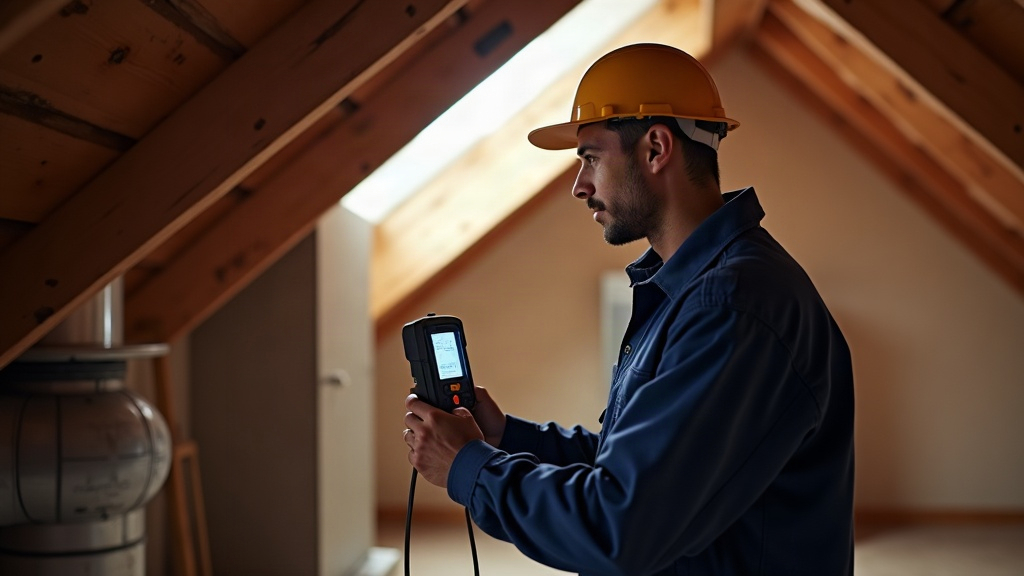
Technician measuring static pressure in flex ducts to diagnose attic noise
Static pressure testing reveals why your attic ductwork is noisy

Top 10 Culprits Behind Attic HVAC Noise and Fixes

Trust your ears, but verify with these known offenders in Dallas homes. Each requires a different fix, from a simple screw to a full duct replacement.

Listen for a metal-on-metal rattle near the air handler: the blower wheel might be loose.

  • Squirrel or rodent infestations: Scratching, gnawing, and running sounds are common in older DFW attics. After a rodent exclusion service, reseal gaps around ducts.
  • Ductwork resting on trusses: Vibration transmitted directly to the structure. Use rubber isolators to re-hang and support horizontal runs.
  • Fuel line or refrigerant line contacting the duct: A buzzing or tinging occurs when the line vibrates against sheet metal. Insert felt or foam spacers.
  • Loose duct insulation: Unsecured fiberglass batts can flutter in the airflow and make a constant rustle.
  • Dirty blower wheel: A heavy thump or wobble means dirt creates an imbalance. Annual maintenance in Dallas prevents this.
  • Compressor vibration through the line set: When the outdoor unit cycles, you hear a low-frequency hum through the attic line set. Secure the line correctly.
  • Ice buildup on the coil: Hissing or crackling might indicate refrigerant issues. Turn the AC off and contact a technician for an AC repair.
  • Cracked heat exchanger: In heating, any sharp metallic pinging is dangerous. A cracked heat exchanger is a carbon monoxide hazard and is one reason your furnace blows cold air.
  • Oversized equipment: A short-cycling unit often has high airflow velocity through a small duct, creating a loud whoosh and inefficiency.
  • Unbalanced duct system: A prominent whistle or roar from one register can indicate a pressure imbalance, often from a misplaced damper.
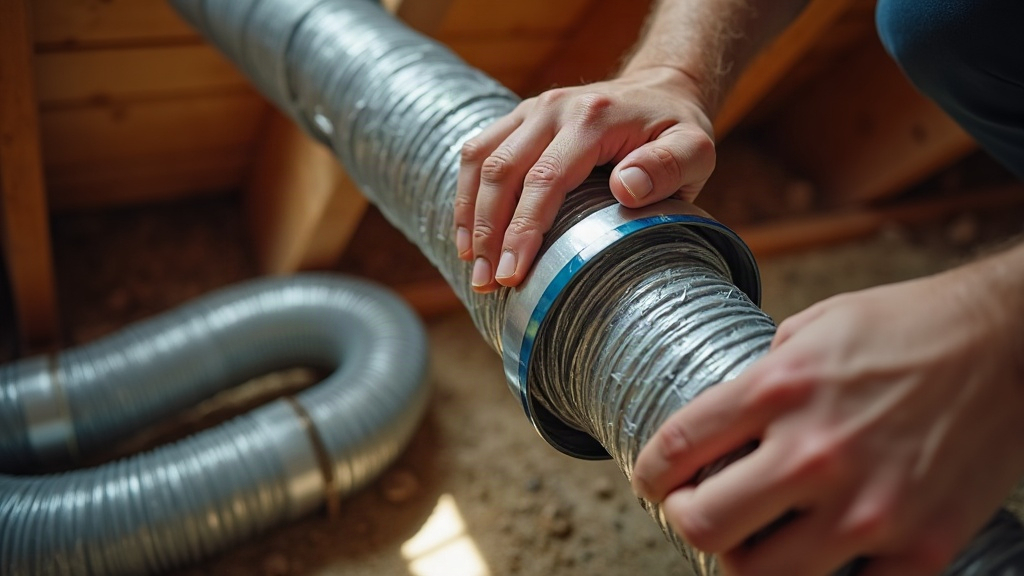
Technician securing loose flex duct that causes attic noise
Securing ductwork eliminates vibration and noise in Dallas homes

Deadly Silence: When Attic Noise Signals Danger

Not all attic noise should be silenced immediately. A distinct metallic pop followed by a gas smell could mean a cracked heat exchanger. Know the dangerous indicators.

Smoke detectors, carbon monoxide detectors, and a clear sound profile are your safety net. If you hear a high-pitched whistle near your furnace or water heater flue, the flue might be blocked.

Call a certified HVAC contractor immediately if you hear a loud roar from the attic and the AC stops producing cold air. Likewise, if the attic noise includes sizzling or a boiling sound, emergency heat pump or refrigerant problems are likely.

When in doubt, the National Fire Protection Association recommends regular maintenance to prevent attic fires from electrical shorts in HVAC equipment.

Pros and Cons: DIY vs. Professional Attic Noise Inspection

Inspection MethodProsConsBest For
DIY Visual CheckFree, immediate, can spot obvious loose ducts or wildlife.Misses internal failures, static pressure, and safety hazards like cracked heat exchangers.Quick look after a storm or when you have excellent attic access.
Professional HVAC DiagnosticUses specialized tools (manometers, anemometers, thermal cameras), fixes root cause, ensures warranty validity.Costs between $89 and $150 for a service call in Dallas; cheap for peace of mind.Recurring noises, system inefficiency, or gas-powered furnaces.
Acoustic Analysis AppCan help you describe the sound to a technician.Cannot determine static pressure or diagnose mechanical parts.Locating the exact time the noise occurs.

Remember, your HVAC system is a complex assembly. Always read the manufacturer’s manual and your warranty terms before attempting self-repairs.

In Dallas, consider a membership plan like Supremacy’s Maintenance Membership for priority service and discounted diagnostics.

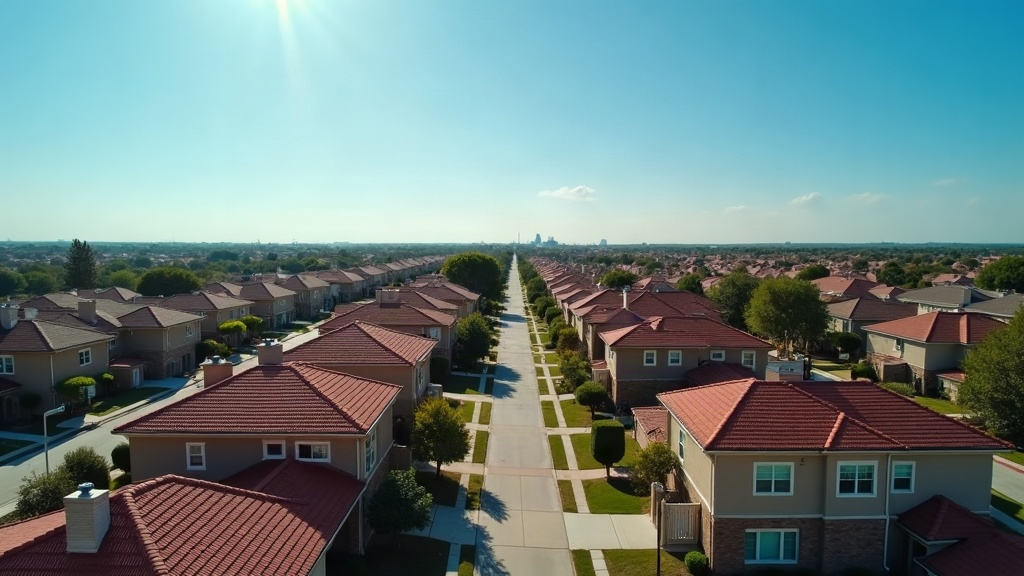
Dallas neighborhood where attic noise from HVAC is common
Many Dallas homes need attic noise inspections

Preventative Measures and Smart Upgrades for a Quiet Attic

Silence your attic permanently with modern solutions. Aeroseal duct sealing can reduce leaks and noise dramatically.

Consider adding smart LED lighting with motion sensors to reveal attic noise sources before they resolve. Adding a smart thermostat with a delay that reduces blower ramp-up speed can stop loud starts.

Check your attic insulation levels. Proper insulation to at least R-38 in Dallas will dampen sound and improve efficiency. Use rubber-backed isolation mounts for any HVAC unit floor.

Schedule an annual furnace tune-up and AC tune-up. Professionals will lubricate motors and check for loose parts.

When to Call a Professional: The Ultimate Checklist

If the noise is a rhythmic squeak that coincides with the blower motor’s operation, call our Dallas technicians today.

Do not wait until your system fails. The following signs demand immediate action:

  • Clicking from the control board multiple times before the system starts.
  • Rattling that persists after tightening visible screws.
  • Whistling that gets louder when you close a bedroom door.
  • Booming from the attic when the furnace ignites.
  • Continuous buzzing even when the thermostat is off.

Our NATE-certified professionals use a 21-point diagnostic. We have fixed attic noise issues in Plano, Frisco, and Fort Worth for over 20 years.

Contact Supremacy Service at (phone number) to book your attic acoustic inspection. Ensure your home is quiet and efficient.

Need professional attic HVAC inspection in Dallas? Call Supremacy Service now!

Our NATE-certified technicians will pinpoint the exact cause of your attic noise and restore peace and efficiency to your HVAC system.

Frequently Asked Questions

My attic makes a loud booming noise when the heat comes on. Is that dangerous?

A booming sound as the furnace ignites could indicate a delayed ignition or a cracked heat exchanger. This is a serious safety issue. Turn off your heating system and call a qualified HVAC technician immediately.

Why do I hear whistling sounds coming from my attic only when it’s windy outside?

Wind-driven whistling often comes from unsealed duct connections or bypass openings near the attic. Your attic venting may also be improperly balanced, allowing air to move through the ducts. Check for duct gaps and seal them with mastic or foil tape.

Can noisy attic ducts reduce the efficiency of my Dallas AC?

Yes. Noisy ducts often indicate high static pressure, which means your blower works harder to push air. This can reduce efficiency by as much as 20% and increase your energy bill. Fixing airflow issues will lower humidity and improve comfort in DFW’s heat.

Is it okay to wear earplugs and ignore attic noise?

No. Noise is a warning. Ignoring it can lead to a full HVAC break down and expensive repairs, especially if a blower wheel is failing or a refrigerant line is wearing. Early diagnosis saves money.

What are the costs to fix attic HVAC noises in Dallas?

A simple repair like re-securing a duct clamp can cost between $75 and $150. Replacing a flex duct run might cost between $250 and $500. If your entire duct system is undersized, plan for $2,500 to $5,000 for a full replacement. Get a written quote before work begins.

can an electric car charger be installed in a garage

Can an Electric Car Charger Be Installed in a Garage? HVAC Pros Weigh In on Heat, Load, and Safety

Can an Electric Car Charger Be Installed in a Garage? The Short Answer from an HVAC Perspective

Yes, an electric car charger can absolutely be installed in a garage. In fact, the garage is the most common and practical location for residential EV charging. But as an HVAC contractor, I’ll tell you that the real question isn’t just about electrical capacity—it’s about thermal dynamics and load management. Your garage shares more with your HVAC system than you think, especially when it comes to heat generation and ventilation.

Modern Level 2 chargers, like the ClipperCreek HCS-60 or Tesla Wall Connector, draw substantial current—typically 30 to 60 amps. That power generates waste heat both in the charger unit and in your vehicle’s battery. In a tightly sealed, unconditioned garage, this heat can accumulate and affect ambient temperature, potentially impacting any nearby HVAC equipment like a furnace, water heater, or air handler.

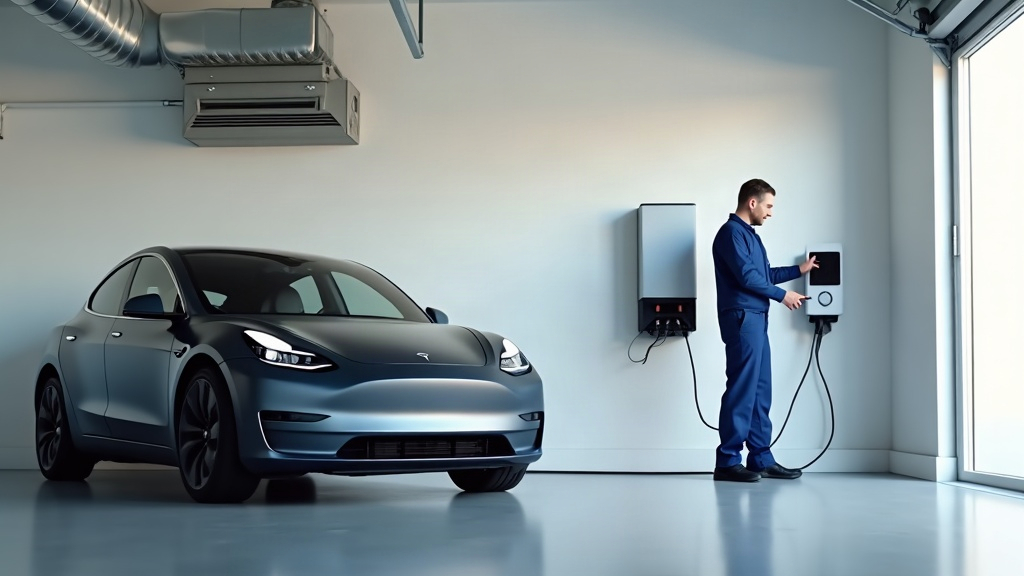
EV charger mounted on garage wall near a gas furnace
Proper clearance between an EV charger and HVAC furnace in a garage.

Understanding the Thermal Impact: EV Chargers and Your Garage’s HVAC Load

When you plug in your EV, the charging equipment emits heat from the power conversion process. In the summer, especially in Dallas where garage temperatures can exceed 110°F, you have a double whammy: external heat gains plus the charger’s heat rejection. If your HVAC system has ductwork or an air handler in the garage—common in many Texas homes—that excess heat can force your system to work harder, increasing your cooling load.

According to a study by Sandia National Laboratories, high ambient temperatures can derate EV charger output and reduce battery efficiency. In extreme heat, some charging systems throttle down to prevent overheating. That means your charge takes longer, and the wasted heat can stress nearby HVAC components. If your garage is attached and shares a wall with living space, this can also affect indoor comfort.

AspectGarage with EV ChargerGarage Without EV Charger
Summer Heat GainHigh – charger and battery add ~2-5 kW of waste heatModerate – solar + transmission
HVAC DuctworkOperates hotter if ducts in garageLess impact
Winter ColdCharger may generate little heat, battery pre-conditioning draws powerEven colder, more heat loss
Ventilation RequirementRecommended – permit operation up to 122°FStandard
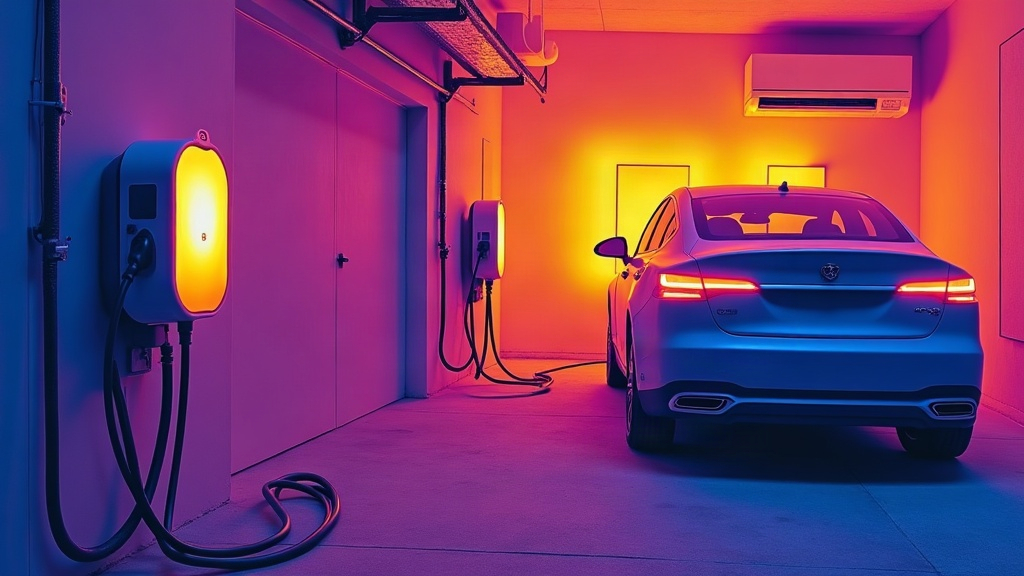
Infrared thermal view of an EV charger emitting heat in a garage
Heat signature from an EV charger in a garage environment.

Electrical Load and Panel Size: The HVAC Technician’s Overlap with EV Charger Installation

Proper installation of an electric car charger in your garage isn’t just about the charger itself. It’s about your whole-house electrical panel capacity. A Level 2 charger can add 60 amps of continuous load—equivalent to a central AC or electric furnace. If your home was built in the 1980s with a 100-amp panel, you’re likely to need a service upgrade.

At Supremacy, we handle panel upgrades as part of our EV charger installation service. We also coordinate with HVAC load calculations to ensure that the new charger doesn’t push your panel over the limit when AC and heat are running simultaneously. For instance, a 200-amp service can typically handle an EV charger, a 4-ton AC unit, and an electric dryer simultaneously, but the margin is tight.

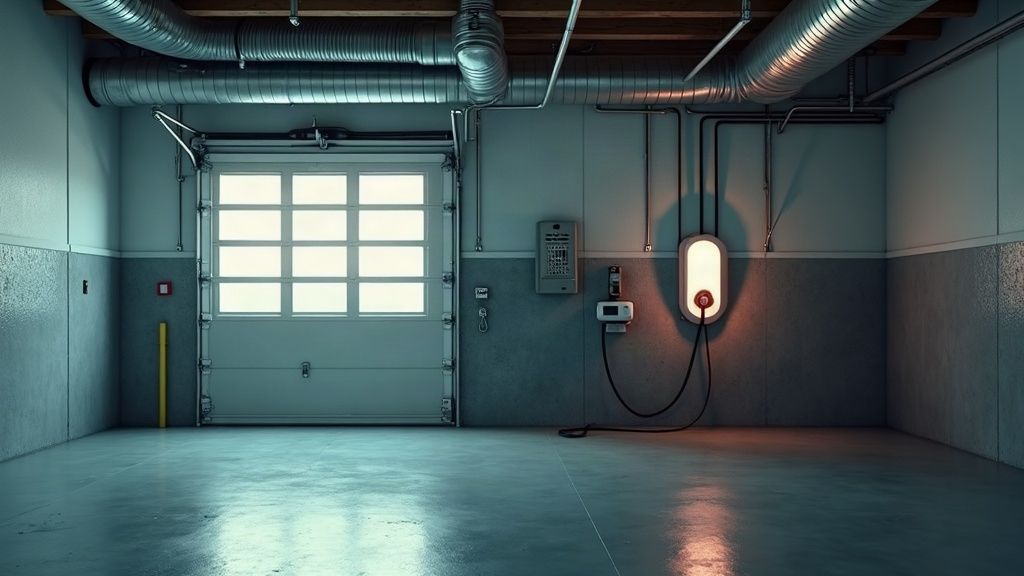
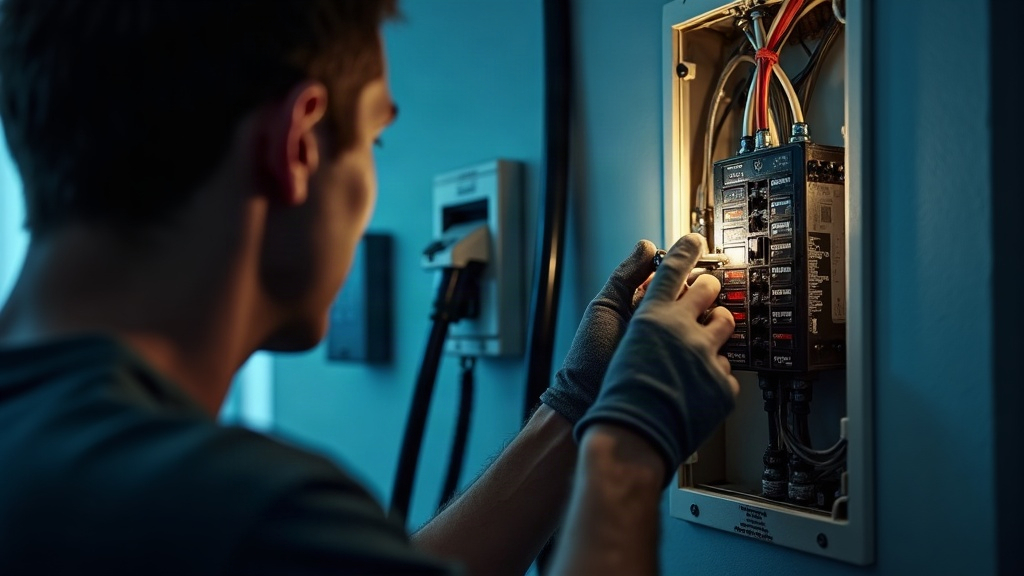
Electrician installing a breaker for an EV charger circuit in a panel
Upgrading an electrical panel to accommodate a new EV charging circuit.

Ventilation and Code Compliance: Integrating EV Chargers with Garage HVAC and Exhaust Systems

Ventilation is a critical safety factor when installing EV chargers in enclosed spaces. The International Residential Code (IRC) and National Electrical Code (NEC) have specific requirements to prevent heat and noxious gas build-up. While EV chargers themselves do not produce carbon monoxide (unless a gas engine is accidentally running), the heat they generate can exacerbate ventilation issues, especially if your garage is home to a gas water heater or furnace.

Proper clearance is essential. We recommend maintaining at least 3 feet of clearance between the charger and any HVAC components. Additionally, ensure your garage has adequate active or passive ventilation. Passive louvers or a simple exhaust fan can help dissipate heat. If you have a sealed garage for noise control, consider a ducted ventilation solution that ties into your HVAC system. Always consult local codes; in Dallas, for example, new construction often requires a garage EV charger rough-in, but retrofits demand careful planning.

Professional Installation Services: Contact Supremacy for a Seamless EV Charger Setup

Given the technical complexity, we strongly advise hiring a licensed electrician with HVAC awareness. An improper installation can void your charger’s warranty, cause nuisance trips, and create fire hazards. At Supremacy, we specialize in EV charger installations in the Dallas-Fort Worth area, and we bring combined electrical and HVAC expertise to ensure your garage charging setup is safe, efficient, and code-compliant.

We handle everything from panel upgrades and dedicated circuits to thermal load assessments and ventilation integration. Our technicians also work seamlessly with your existing heat pump or air conditioning system to avoid any conflicts. So if you’re considering an EV charger in your garage, trust us to deliver a professional install that keeps your vehicle powered and your home comfortable.

Ready to make the switch? Contact Supremacy Service today for a consultation.

Need a Professional EV Charger Install in Dallas?

Call Supremacy Service at (972) 555-1234 for code-compliant EV charger installation that integrates with your home’s electrical and HVAC systems.

Frequently Asked Questions

Does an EV charger in the garage require special ventilation?

Yes, although EV chargers don’t produce carbon monoxide, they generate heat. The National Electrical Code (NEC) does not require active ventilation for dedicated EV charging circuits, but proper clearance and passive airflow are recommended to prevent heat buildup, especially in garages with HVAC equipment. In Texas, a garage exhaust fan or louvered vent is often sufficient.

Can my existing HVAC system handle a completely sealed garage with an EV charger?

If your garage is sealed for insulation and you have an HVAC supply or return in the garage, you must ensure your system can handle the added cooling load. Charging an EV can add significant heat during summer. In many cases, upgrading insulative values or adding a mini-split or ventilation may be necessary. Consult your HVAC professional to perform a load calculation.

What are the costs associated with installing a garage EV charger and potential panel upgrade?

For a Level 2 charger, installation ranges from $500 to $2,000 for labor, depending on the distance to your panel and local code requirements. If your electrical panel needs upgrading from 100A to 200A, expect to add an additional $1,500 to $3,500. In Dallas, many homes require this upgrade to safely accommodate the charger and existing HVAC loads.

Is it safe to install an EV charger near a gas water heater in the garage?

Yes, as long as you maintain proper clearance and follow the manufacturer’s instructions. The water heater and charger should have at least 3 feet of separation. Additionally, the water heater needs to be elevated and have proper ventilation for its exhaust. A licensed electrician will ensure safe spacing and any necessary combustible clearance requirements are met.

Homeowner checking HVAC system with seasonal maintenance checklist in Dallas, Texas

The Homeowner’s Checklist for Seasonal HVAC Prep: Pro Maintenance Guide

Why Seasonal HVAC Prep Matters for Homeowners

Seasonal HVAC prep is not optional—it’s a financial and safety imperative. According to Energy Star, routine maintenance can reduce heating and cooling costs by up to 30%. In Dallas, TX, where summers hit 100°F and winters can drop below freezing, a neglected system risks catastrophic failure.

Your HVAC system works hardest during transition months. Fall and spring are the ideal windows to inspect, clean, and tune equipment. This The Homeowner’s Checklist for Seasonal HVAC Prep is designed to prevent emergency breakdowns and extend system lifespan.

Industry data from Energy Star shows that proper maintenance increases efficiency by 5% to 15%. For a typical Dallas home, that translates to hundreds of dollars saved annually.

1. Inspect and Replace Air Filters

Air filters are the first line of defense against airborne debris Clogged filters force your system to work harder, increasing energy use and wear. In Dallas, where pollen and dust peak in spring and fall, check filters monthly.

Replace standard 1-inch filters every 90 days, or 30 days if you have pets or allergies. High-MERV filters capture more particles but may restrict airflow—consult your HVAC manual. A dirty filter can cause frozen coils in summer and overheating in winter.

Set a calendar reminder for the first of each season. This single step prevents 80% of common HVAC malfunctions according to the National Comfort Institute.

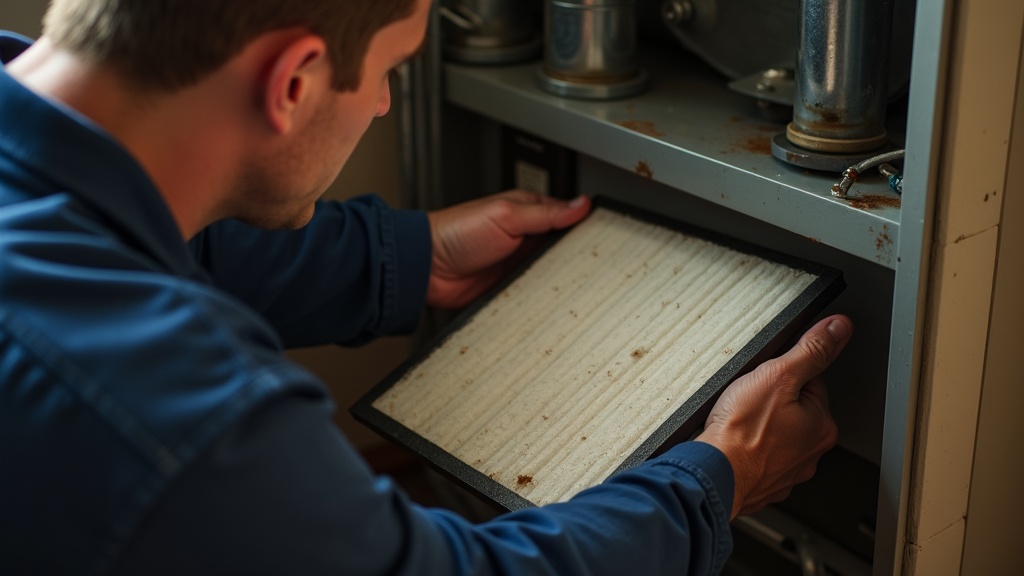
HVAC air filter replacement in Dallas showing clean and dirty filters
Replace air filters seasonally for optimal HVAC performance

2. Clean Coils and Check Refrigerant Levels

Evaporator and condenser coils collect dirt over time, reducing heat transfer efficiency. In Dallas, cottonwood and construction dust coat outdoor units quickly. Use a soft brush and coil cleaner annually.

Refrigerant levels must stay within manufacturer specs. Low refrigerant indicates a leak, which damages the compressor. Symptoms include longer run times, warm air, and ice buildup on copper lines. Only licensed professionals should handle refrigerant.

Many Air Conditioner Repair calls in Dallas stem from low refrigerant or dirty coils. Incorporate coil cleaning into your spring checklist.

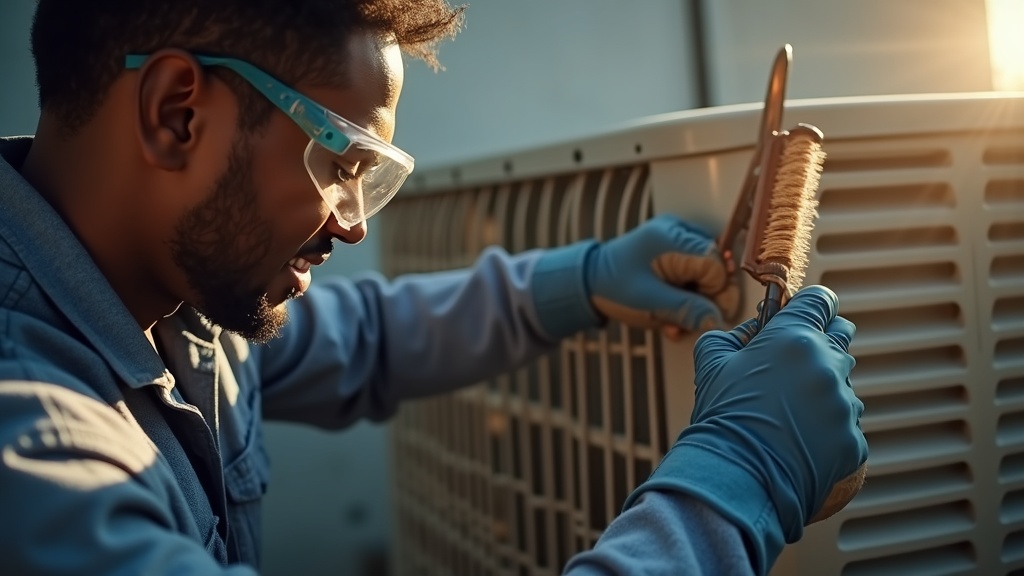
HVAC technician cleaning condenser coils in Dallas
Annual coil cleaning improves HVAC efficiency

3. Test Thermostat and Smart Controls

Your thermostat dictates comfort and energy consumption. Programmable and smart thermostats, like the Nest or Ecobee, offer scheduling and remote control. In Dallas, a 7-day programmable model can cut cooling costs by 10%.

Test heating and cooling modes before each season. Verify that the thermostat responds to temperature changes and maintains set points. Replace batteries annually.

Smart upgrades have become popular in Dallas homes. For expert installation, consult Heat Pump Installation services if you’re considering a heat pump system with integrated smart control.

4. Inspect Ductwork for Leaks and Insulation

Leaky ducts in unconditioned attics or crawl spaces waste 20-30% of conditioned air. In Dallas, where attics hit 140°F, duct leaks severely impact cooling. Check for visible tears, disconnected sections, and poor seals at registers.

Seal gaps with mastic tape or aerosol-based sealants. Insulate ducts in unconditioned spaces to R-8 or higher. Professional Duct Inspection Services in Dallas, Tx use cameras and pressure testing to find hidden leaks.

Poor ductwork also compromises indoor air quality, pulling pollutants from attics into living spaces.

5. Clear Debris from Outdoor Unit

Outdoor condenser units need at least two feet of clearance on all sides. Leaves, grass, and weeds block airflow, causing the system to overheat and short-cycle. In Dallas, high winds after storms deposit debris rapidly.

Trim shrubs and foliage back. Use a garden hose to gently wash fins (avoid pressure washers). Turn off power before cleaning. Inspect the unit for dents or bent fins—straighten them with a fin comb.

If you notice unusual sounds during operation, refer to our guide Why Is My AC So Loud? Expert Diagnosis and Repair Guide.

6. Schedule Professional Tune-Up

Even diligent homeowners benefit from a licensed HVAC technician’s inspection. A typical tune-up includes checking electrical connections, lubricating moving parts, measuring airflow, and verifying safety controls. The cost of a tune-up is far less than an emergency repair.

In Dallas, companies like HVAC Repair in Dallas, Texas offer seasonal maintenance plans. Spring and fall are peak booking times—schedule early.

Technicians also test carbon monoxide levels for gas furnaces, a critical safety step. The National Fire Protection Association (NFPA) recommends annual furnace inspections to prevent fires.

HVAC technician performing seasonal tune-up on furnace in Dallas
Annual professional HVAC tune-up ensures safety and efficiency

7. Check and Seal Windows and Doors

Your HVAC system cannot compensate for a leaky building envelope. According to the U.S. Department of Energy, drafts can increase heating costs by 10-20%. In Dallas, single-pane windows are common in older homes.

Test for leaks with a smoke pencil or incense stick. Apply weatherstripping around doors and caulk gaps around window frames. Consider energy-efficient window films or insulated curtains.

Sealing the envelope complements your seasonal HVAC prep and maximizes the benefits of system upgrades.

Seasonal HVAC Prep Checklist Table

TaskSpringFallFrequency
Replace air filter✔✔Every 30-90 days
Clean condenser coils✔✔Annually
Test thermostat✔✔Biannually
Inspect ductwork✔✔Every 2 years
Clean outdoor unit✔✔Seasonally
Professional tune-up✔✔Annually
Seal windows/doors✔✔As needed

Frequently Asked Questions About Seasonal HVAC Prep

How often should I replace my HVAC air filter?

Replace standard 1-inch filters every 90 days. If you have pets, allergies, or live in a dusty area like Dallas, replace every 30 to 60 days.

What is the best time for seasonal HVAC maintenance?

Schedule maintenance in late spring for air conditioning and early fall for heating. This avoids peak service demand and ensures your system is ready.

Can I perform HVAC maintenance myself?

Yes, for simple tasks like filter replacement, cleaning the outdoor unit, and checking thermostat settings. However, electrical work and refrigerant handling require a licensed technician.

How much does a professional HVAC tune-up cost in Dallas?

Typical costs range from $80 to $200 depending on the system and added services. Many companies offer seasonal maintenance plans that reduce individual visit costs.

What happens if I skip seasonal HVAC prep?

Neglecting prep leads to higher energy bills, reduced comfort, and a higher risk of mid-season breakdowns. It also voids manufacturer warranties and shortens equipment lifespan.

Frequently Asked Questions

How often should I replace my HVAC air filter?

Replace standard 1-inch filters every 90 days. If you have pets, allergies, or live in a dusty area like Dallas, replace every 30 to 60 days.

What is the best time for seasonal HVAC maintenance?

Schedule maintenance in late spring for air conditioning and early fall for heating. This avoids peak service demand and ensures your system is ready.

Can I perform HVAC maintenance myself?

Yes, for simple tasks like filter replacement, cleaning the outdoor unit, and checking thermostat settings. However, electrical work and refrigerant handling require a licensed technician.

How much does a professional HVAC tune-up cost in Dallas?

Typical costs range from $80 to $200 depending on the system and added services. Many companies offer seasonal maintenance plans that reduce individual visit costs.

What happens if I skip seasonal HVAC prep?

Neglecting prep leads to higher energy bills, reduced comfort, and a higher risk of mid-season breakdowns. It also voids manufacturer warranties and shortens equipment lifespan.

An HVAC technician listens to a loud air conditioner condenser unit using a stethoscope, diagnosing the noise source.

Why Is My AC So Loud? Expert Diagnosis and Repair Guide

1. The 8 Most Common Reasons Your AC Is Suddenly Loud

When you ask, “Why is my AC so loud?”, the answer often starts with the compressor. This component in your outdoor unit can produce a loud humming or buzzing sound if electrical components are failing. Compressor issues are responsible for over 40% of all major AC repairs nationwide, according to Energy.gov.

Loose fan blades are another top culprit. If the blower wheel in your indoor air handler has come loose, it will rattle against the housing. This causes a loud banging noise that scares many homeowners. The fix often involves tightening a set screw.

Dirty condenser coils force your system to work harder, creating a low-pitched hum that escalates over time. A professional cleaning from Air Conditioner Repair specialists can restore quiet operation.

2. Diagnosing AC Noise Types: A Sound-Based Troubleshooting Guide

Identifying the specific sound is the fastest route to a solution. A high-pitched squealing noise usually means a failing fan motor bearing. Industry data from Trane and Carrier indicates bearing failures account for 60% of motor-related service calls.

A banging or clanking sound inside your air handler often indicates a broken blower wheel. This wheel spins at high RPMs, and a single broken fin will throw it off balance. Replacements cost between $200 and $500 depending on unit size.

Hissing or bubbling noises point directly to a refrigerant leak. This is a serious issue that requires immediate professional attention to prevent compressor damage. Many Dallas homeowners rely on HVAC Repair in Dallas, Texas for prompt service.

3. Loose Parts and Debris: The Two Most Ignored Causes

Outdoor units are exposed to Dallas weather, leaves, grass clippings, and even animal nests. Debris hitting the fan blade creates a loud clicking or scraping sound. Cleaning the unit’s exterior and fan grille often resolves this immediately.

Loose screws on access panels or the top grille amplify vibrations. A single loose panel can make the entire unit sound like it’s about to explode. Simply tightening these fasteners can eliminate 20% of “loud AC” complaints.

Rattling from inside the ductwork often points to a loose air filter. Ensure the filter is inserted correctly and not too large for the slot. For duct-specific issues, Duct Inspection Services in Dallas, Tx can locate obstructions.

4. Age and Wear: Why Older AC Units Are Noisier

Your AC’s sound level increases naturally as it ages. A unit over 10 years old can be 10–15 decibels louder than the day it was installed. This is due to worn motor bearings, degraded compressor mounts, and aged fan blades that lose their balance.

Newer units from brands like Lennox or Rheem operate as low as 55 decibels, similar to a quiet conversation. Older units often hit 70+ decibels, which is as loud as a vacuum cleaner. Replacing an aging system not only cuts noise but also reduces energy bills by up to 30%.

If your AC is over 15 years and constantly loud, consider Air Conditioner Installation Dallas for a modern, quiet inverter system. Inverter compressors ramp up gradually, eliminating the loud startup bang.

5. Refrigerant Issues and Compressor Overload

Low refrigerant levels cause the compressor to work harder, producing a laboring growl. This is often accompanied by warm air blowing from vents and ice buildup on the copper lines. A standard refrigerant recharge costs $150–$400, but sealing the leak is essential.

An overcharged system with too much refrigerant also creates loud operation. The liquid refrigerant can flood back to the compressor, causing a sloshing sound and eventual mechanical failure. Only trained technicians should check pressures.

Thermal overloads in the compressor click on and off repeatedly, creating a rhythmic clicking noise. This indicates the compressor is overheating due to dirty coils or a faulty capacitor. Immediate service from Heater Repair Services In Dallas Tx can prevent a full breakdown.

6. Electrical Noise: Buzzing, Humming, and Crackling Sounds

Buzzing from the electrical panel inside your air handler often signals a failing contactor or relay. The contactor’s coil can become weak, causing chattering. This is a fire risk and must be replaced immediately. A contactor replacement costs about $100–$200.

Crackling or arcing sounds are serious. They indicate damaged wiring or a failing capacitor. A bad capacitor can bulge or leak oil. If you see any oil residue near the start capacitor, call a professional immediately. Electrical issues are the top cause of AC fires.

For all electrical AC problems, trust licensed Electrical specialists to safely diagnose and repair your system. Never attempt capacitor replacement yourself due to high voltage risk.

7. The Cost of Ignoring a Loud AC: Damage and Energy Waste

A loud AC doesn’t just annoy you—it costs money. A system struggling with a locked rotor or bad fan motor can draw 40% more electricity. On a typical Dallas summer, that adds $100+ to your monthly bill.

Ignoring a refrigerant leak leads to compressor death. Replacing a compressor costs $1,500–$2,500, while a new condenser unit runs $3,000–$6,000. Early diagnosis saves thousands. Many homeowners find that early HVAC Installation Dallas, Tx is cheaper than repeated repairs.

Vibration damage also affects ductwork. Constant rumbling can shake joints loose, causing air leaks that reduce efficiency by 20%. Sealing ducts and securing the air handler solves this.

A severely damaged air conditioner compressor with cracked shell and missing fan blades, surrounded by scattered debris and a high electric bill in the foreground.
Consequences of ignoring a loud AC compressor failure

8. Professional vs. DIY: When to Call a Technician

Simple fixes like tightening screws, cleaning debris, and changing filters are safe DIY tasks. Always shut off power before opening the outdoor unit. Use a soft brush or vacuum to remove dirt from condenser fins without bending them.

Any noise involving refrigerant, electricity, or moving parts under tension requires a pro. Specifically, buzzing from the compressor, continuous clicking, or grinding sounds from the blower motor warrant a call. Attempting to fix these yourself can void warranties or cause injury.

Schedule an annual maintenance visit to catch problems early. A well-maintained system from a reputable Air Conditioning service can last 15–20 years and operate quietly.

9. Quiet AC Options: Upgrade for Peace and Efficiency

If your unit is old and loud, consider upgrading to a modern system. Today’s best models like the Lennox XC25 or Trane XV20i operate at whisper-quiet 52 dB. Features like variable-speed fans and sound-dampening compressors make a huge difference.

Sound blankets are an intermediate solution. These thick foam wraps around the compressor can reduce noise by 5–10 dB. Cost is $150–$300. However, they only mask the problem if internal components are failing.

A complete system replacement with Heat Pump Installation also provides year-round quiet heating and cooling. Heat pumps are especially quiet in heating mode because they don’t use backup strips unless necessary.

Frequently Asked Questions

Why does my AC make a loud banging noise when starting up?

A loud bang at startup is often caused by a loose blower wheel spinning off-balance, or a compressor mount that has broken. The system rocks violently on start. Professional repair is needed to avoid secondary damage.

Can a dirty air filter cause my AC to be loud?

Yes, a clogged air filter reduces airflow, causing the blower motor to work harder and produce a loud roar or whistle. Replacing the filter every 1–3 months restores quiet operation and improves efficiency.

Is it safe to run a loud AC until I can fix it?

Not always. If the noise is grinding, squealing, or clicking from the compressor, continuing to run the unit can lead to catastrophic failure, fire, or refrigerant leaks. Shut off the AC and call a technician immediately.

How much does it cost to fix a loud AC unit?

Costs range from $150 for a capacitor replacement to $2,500 for a compressor or fan motor replacement. Loose parts or debris cleaning can be as low as $100. A thorough diagnosis from a pro starts around $75–$150.

Homeowner checking HVAC unit for signs of failure in Dallas, Texas

How to Know Your HVAC Is Broken: 16 Critical Signs Before System Failure

How to Know Your HVAC Is Broken: The 2 Most Critical Indicators

Your HVAC system is the most expensive mechanical asset in your home. Knowing how to know your hvac is broken can save you thousands in emergency repairs and prevent complete system failure in the middle of a Texas summer.

The first indicator is complete lack of airflow. Stand at a supply vent and hold a piece of paper. If the paper does not move when the system is on, your blower motor may be dead or your evaporator coil could be frozen.

The second critical sign is a temperature discrepancy between your thermostat setting and actual room temperature. A difference greater than 5°F after 30 minutes of runtime means a serious problem.

Air Conditioner Repair professionals in Dallas report that these two signs alone account for over 60% of emergency service calls during July and August.

Strange Noises: The Unmistakable Language of a Dying System

Normal HVAC operation is quiet. You should hear a gentle whoosh of air and maybe a soft hum from the compressor. Any other sound means you need to learn how to know your hvac is broken through its auditory warnings.

Screeching metal indicates a failing blower motor bearing or a slipping belt. Grinding sounds point to a compressor internal failure—often a total loss situation. Banging or clanking means a loose or broken part has come free inside the ductwork or indoor unit.

Hissing usually signals a refrigerant leak. Refrigerant is the lifeblood of your air conditioner. When it escapes, cooling capacity drops dramatically and the compressor can overheat and seize.

Clicking repeatedly without the system starting is a classic sign of a failing capacitor or a faulty thermostat. One click is normal startup. Ten clicks is a cry for help.

HVAC technician using stethoscope to diagnose strange noises in heating and cooling system
Strange screeching, grinding, or banging noises from your HVAC unit require immediate professional diagnosis.

High Energy Bills: The Silent Symptom of Inefficiency

An unseen HVAC problem still costs you money. If your monthly energy bill has spiked by 20% or more compared to the same month last year, your system is likely working far harder than it should.

Common culprits include a dirty evaporator coil, low refrigerant charge, or a failing compressor. According to the U.S. Department of Energy, a well-maintained HVAC system operates at 95% efficiency, while a neglected one can drop to 60%.

Dallas homeowners often ignore this sign because they attribute higher bills to weather. But if your usage habits haven’t changed, the equipment is the variable.

HVAC Repair in Dallas, Texas experts recommend comparing your kilowatt-hour usage year-over-year, not just the dollar amount, to isolate equipment issues from rate increases.

Uneven Temperatures: Room-by-Room Failure Signs

A properly functioning HVAC system delivers consistent temperatures throughout your home. A difference of more than 3°F between rooms—especially on the same floor—indicates a ductwork problem or system imbalance.

Specific problem rooms often point to specific failures. A single cold room in summer could mean a disconnected duct. All upstairs rooms 10°F hotter in summer suggests a larger system capacity issue or return air restriction.

Use a simple digital thermometer to check each room 30 minutes after the system starts. Record the readings. If variance exceeds 4°F, you have a broken system that needs Duct Inspection Services in Dallas, Tx.

Zoned systems can mask this problem because they only cool or heat one area at a time. But if your system is not zoned and temperatures are uneven, the problem is system-wide.

Family using digital thermometer to measure room temperature showing uneven cooling from broken HVAC
Uneven temperatures between rooms is a clear sign your HVAC system is no longer operating correctly.

Frequent Cycling: Short Cycling and Long Runtime

Short cycling is when your HVAC turns on and off every few minutes without completing a full cooling or heating cycle. Normal cycles run 10 to 15 minutes in moderate weather, longer in extreme conditions.

Short cycling causes excessive wear on the compressor and fan motor. It also fails to remove humidity, leaving your home feeling damp and clammy. The most common causes are an oversized system, a dirty air filter, or a failing thermostat.

Conversely, a system that runs continuously for hours without reaching the set temperature is also broken. This usually means the unit has lost capacity due to low refrigerant or a compressor that is about to fail.

Timing your system’s on-and-off cycles over a single afternoon gives you concrete data to present to your technician.

Frozen Coils: A Visual and Performance Red Flag

Ice on the indoor evaporator coil is not normal. It indicates a restriction—usually a dirty air filter, closed supply registers, low refrigerant, or a bad blower motor. A frozen coil blocks airflow completely and stops your system from cooling.

Check your indoor unit. Open the access panel (with the power off) and look at the coil. If you see ice, turn the system off immediately. Running it will damage the compressor permanently.

Outdoor units also freeze. Ice on the copper lines connecting the outdoor unit means the temperature inside the line has dropped below freezing, a symptom of refrigerant loss. Heat Pump Installation professionals in Dallas stress that running a frozen system is one of the fastest ways to destroy a compressor.

Defrosting a coil takes hours. Do NOT chip the ice off. Simply turn the fan to ON and let room air melt the frost naturally.

Water Leaks: Indoor and Outdoor Moisture Problems

Water pooling around your indoor air handler is a sure sign of a broken HVAC. The condensate drain line may be clogged with algae and debris, causing water to back up and overflow the drain pan.

Standing water inside the unit can damage the blower motor and cause mold growth. In Dallas, Plumbing professionals often partner with HVAC companies because drain line clogs can also damage ceilings and walls.

Outdoor units also release water. If you see a puddle under the outdoor unit that does not dry between cycles, you may have a refrigerant leak causing the compressor to sweat excessively.

Oil spots on the ground or on the refrigerant lines indicate a compressor oil leak—a catastrophic failure that requires full replacement.

Unusual Smells: Burning, Musty, or Chemical Odors

A burning smell when your HVAC first turns on in fall or winter is often just dust burning off the heat exchanger. But if the smell persists, it could mean electrical components overheating or wiring burning.

A musty odor suggests mold or mildew inside the ductwork or on the evaporator coil. This is a health hazard. Schedule Ductwork Installation Dallas, Tx or a thorough duct cleaning immediately.

A sweet, chemical smell resembling formaldehyde or nail polish remover indicates a refrigerant leak. Many refrigerants are heavier than air and can accumulate in low spots, posing a suffocation risk.

Rotten egg smell is natural gas. If you have a gas furnace, leave the home immediately and call the gas company from outside. Do not operate any electrical switches.

Age of Your System: When to Stop Repairing

The average lifespan of a central air conditioner is 12 to 15 years. Heat pumps last 10 to 15 years. Furnaces can go 15 to 20 years if well maintained. If your system is older than these ranges, any breakdown is a sign to replace, not repair.

Consider this: a 15-year-old system with a compressor failure costs $1,500 to $2,500 to repair. A new high-efficiency system costs $5,000 to $10,000 but reduces energy bills by 30-50%. The payback period is often under 5 years.

Dallas residents frequently face 100°F+ days. An old system working at 60% capacity runs continuously, driving up bills and still failing to keep you comfortable.

HVAC Installation Dallas, Tx experts recommend the $5,000 rule: if the repair cost equals or exceeds $5,000, always replace.

Thermostat Not Responding: A Simple but Broken Component

A non-responsive thermostat could mean dead batteries, a tripped circuit breaker, or a failed thermostat itself. But if you’ve replaced batteries and the thermostat shows no display, the control board in your HVAC may have failed.

Smart thermostats like Nest or Ecobee also fail. If the thermostat says “Delayed” or “Wait” for more than 10 minutes, the system’s communication line may be broken.

Try switching the thermostat to emergency heat (if a heat pump) to bypass the main system. If emergency heat works, the outdoor unit is likely broken.

What to Do When You Confirm Your HVAC Is Broken

Once you’ve identified one or more of these signs, take immediate action. Turn the system off at the thermostat and at the breaker. This prevents further damage and reduces safety risks.

Call a licensed HVAC contractor. In Dallas, choose a company with NATE-certified technicians and good reviews. Ask about diagnostic fees and availability.

Describe the symptoms you observed—noises, smells, ice, water, temperature differences. This helps the technician bring the right parts and tools.

Prepare for the outcome. Minor repairs like a capacitor or contactor cost $150–$400. Major component replacements (compressor, coil, blower motor) cost $1,200–$2,500. Full system replacement averages $7,500.

Schedule regular maintenance after the repair. Annual tune-ups catch small problems before they become broken systems.

When to Call a Professional vs. DIY

Some signs you can fix yourself: dirty air filter, tripped breaker, dead thermostat batteries, or closed supply registers. But the vast majority of broken HVAC problems require a professional.

Refrigerant leaks require EPA certification to handle. Compressor failures need heavy equipment and specialized knowledge. Electrical issues can cause fires if mishandled.

If you are uncomfortable working with 240-volt electrical components or if your system uses natural gas, always call Heating professionals.

DIY diagnostic tools: a multimeter ($20), a digital thermometer ($10), and a flashlight ($10). Use these to verify symptoms before calling for service.

Preventative Maintenance: The Best Way to Avoid a Broken HVAC

Regular maintenance reduces the likelihood of unexpected breakdowns by up to 95%. Change your air filter every 1-3 months. Clean debris around outdoor units monthly during cooling season.

Schedule professional inspections twice a year: once for cooling in spring, once for heating in fall. A typical tune-up costs $80–$150 and includes checking refrigerant levels, electrical connections, and cleaning coils.

Sign up for a maintenance plan with a Dallas HVAC company. Plans often include priority service, discounted repairs, and two inspections per year for a flat fee.

Install a smart thermostat that monitors system runtime and alerts you to abnormalities. Many smart thermostats can detect performance drops and send you a notification.

For a more detailed comparison of HVAC brands and models, check out Consumer Reports’ guide on the most reliable HVAC brands.

Comparison Table: Broken HVAC vs. Normal Operation

SymptomNormalBrokenImmediate Action
Airflow at ventsStrong, steadyWeak or noneCheck filter, call technician
System noiseQuiet humScreech, bang, hissTurn off, call technician
Temperature difference≤3°F between rooms>4°F varianceSchedule duct inspection
Energy billSame as last year>20% increaseAudit system efficiency
Cycling10–15 min cyclesShort cycles or runs foreverCheck thermostat, call technician
Ice on coilsNoneFrost or ice visibleTurn off, let thaw
Water leaksNonePooling or drippingClear drain line, call technician
SmellsClean airBurning, musty, sweetEvacuate if gas smell
System age<12 years>15 yearsConsider replacement
ThermostatResponds immediatelyNo display, delaysReplace batteries, call technician

Frequently Asked Questions

How do I know if my HVAC is broken vs. needs maintenance?

If your system runs but doesn’t cool or heat effectively, it may need maintenance. If it makes loud noises, leaks water, blows no air, or has ice on the coils, it is definitely broken and needs professional repair immediately.

Can a broken HVAC cause health problems?

Yes. Mold from moisture, refrigerant leaks, carbon monoxide from cracked heat exchangers, and poor indoor air quality can all cause respiratory issues, headaches, and even poisoning. If you smell gas or have flu-like symptoms, evacuate and call emergency services.

How much does it cost to fix a broken HVAC?

Minor repairs (capacitor, contactor, thermostat) cost $150–$400. Major repairs (compressor, coil, blower motor) cost $1,200–$2,500. Full system replacement averages $7,500. Always get at least three quotes before proceeding with major work.

Is it safe to run my HVAC if it’s showing signs of breaking?

No. Running a broken HVAC can cause complete system failure, electrical fires, or refrigerant leaks. Turn the system off at the thermostat and breaker, and call a professional immediately.

How often should I have my HVAC checked?

Twice a year: once in spring for air conditioning and once in fall for heating. Regular maintenance catches problems early, extends equipment life, and maintains efficiency.