
This entry-level method plugs directly into a standard household wall outlet. It is highly accessible but delivers a very slow charging rate of approximately 5 miles of range per hour.
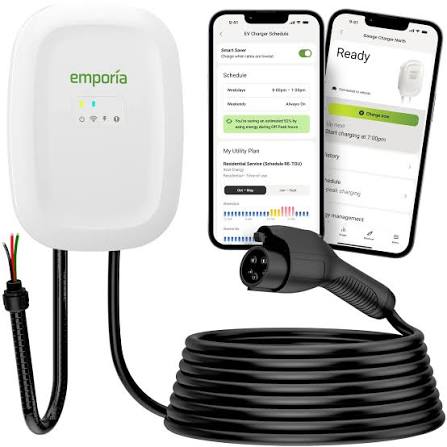
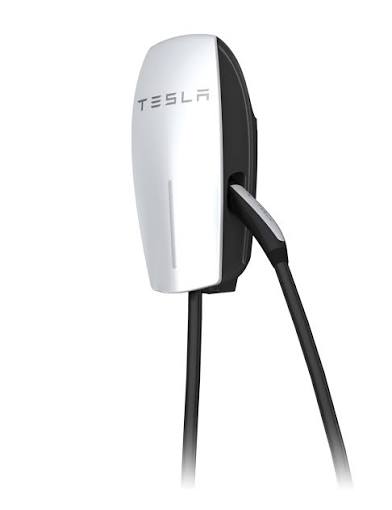
This is the premier choice for modern homeowners, delivering a swift 25 to 30 miles of range per hour. This configuration requires specialized high-voltage infrastructure and must be installed by a certified EV installation electrician.
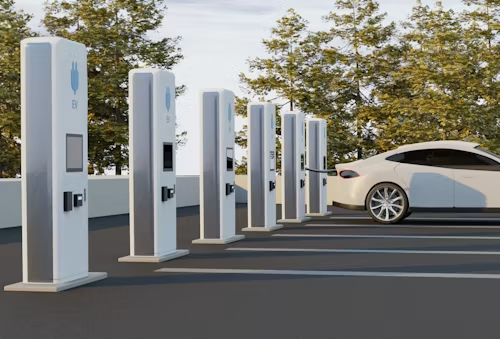
The fastest power option available, delivering an 80% battery charge in just 20 to 30 minutes. Due to extreme industrial voltage demands, Level 3 units are primarily installed in commercial commercial zones or public highway hubs.
The total investment required to install an electric car charger in Dallas varies based on a few key infrastructural factors:
Fully licensed master electricians specifically trained to handle high-amperage 240V lines and advanced smart charging hardware.
We handle 100% of the local Dallas municipal permitting and safety inspections so you don't have to deal with city paperwork.
We provide exact, itemized flat-rate quotes before any work begins, ensuring complete financial transparency.
We analyze your current electrical panel capacity and review your vehicle's specific charging specs.
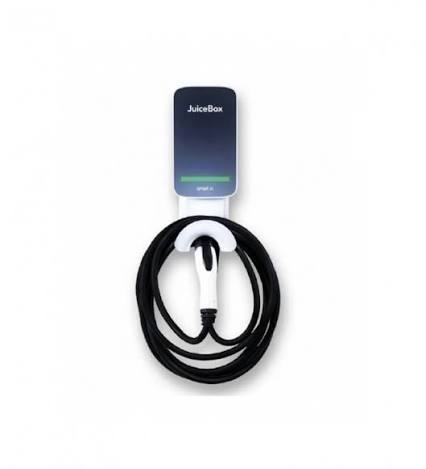
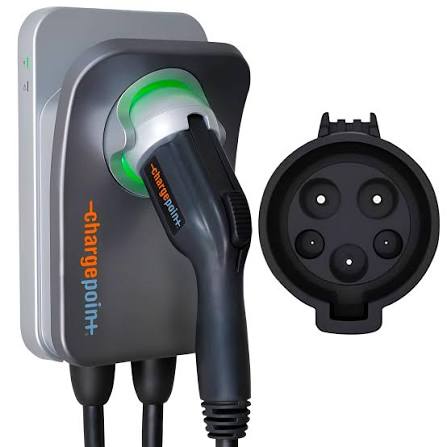
Our experts match your garage layout with top hardware like Tesla, ChargePoint, or JuiceBox.
Certified electricians run a dedicated 240V circuit line from your main breaker box to your charging port.
We handle the municipal city permits, test live voltage outputs, and walk you through your smart app controls.
Yes. Local municipal building codes dictate that adding a dedicated 240V high-voltage circuit requires a formal permit and safety inspection. Supremacy manages the entire local permit process and city inspection timeline directly for you.
For standard home usage, a dedicated Level 2 (240V) charger is the optimal solution. It offers the perfect balance of rapid overnight charging speeds and reasonable upfront equipment costs.
Our elite trade professionals manage a comprehensive range of critical infrastructure needs, whether you're optimizing an old system, setting up smart-grid equipment, or engineering an entirely new layout.