
Table of Contents
1. The 8 Most Common Reasons Your AC Is Suddenly Loud
When you ask, “Why is my AC so loud?”, the answer often starts with the compressor. This component in your outdoor unit can produce a loud humming or buzzing sound if electrical components are failing. Compressor issues are responsible for over 40% of all major AC repairs nationwide, according to Energy.gov.
Loose fan blades are another top culprit. If the blower wheel in your indoor air handler has come loose, it will rattle against the housing. This causes a loud banging noise that scares many homeowners. The fix often involves tightening a set screw.
Dirty condenser coils force your system to work harder, creating a low-pitched hum that escalates over time. A professional cleaning from Air Conditioner Repair specialists can restore quiet operation.
2. Diagnosing AC Noise Types: A Sound-Based Troubleshooting Guide
Identifying the specific sound is the fastest route to a solution. A high-pitched squealing noise usually means a failing fan motor bearing. Industry data from Trane and Carrier indicates bearing failures account for 60% of motor-related service calls.
A banging or clanking sound inside your air handler often indicates a broken blower wheel. This wheel spins at high RPMs, and a single broken fin will throw it off balance. Replacements cost between $200 and $500 depending on unit size.
Hissing or bubbling noises point directly to a refrigerant leak. This is a serious issue that requires immediate professional attention to prevent compressor damage. Many Dallas homeowners rely on HVAC Repair in Dallas, Texas for prompt service.
3. Loose Parts and Debris: The Two Most Ignored Causes
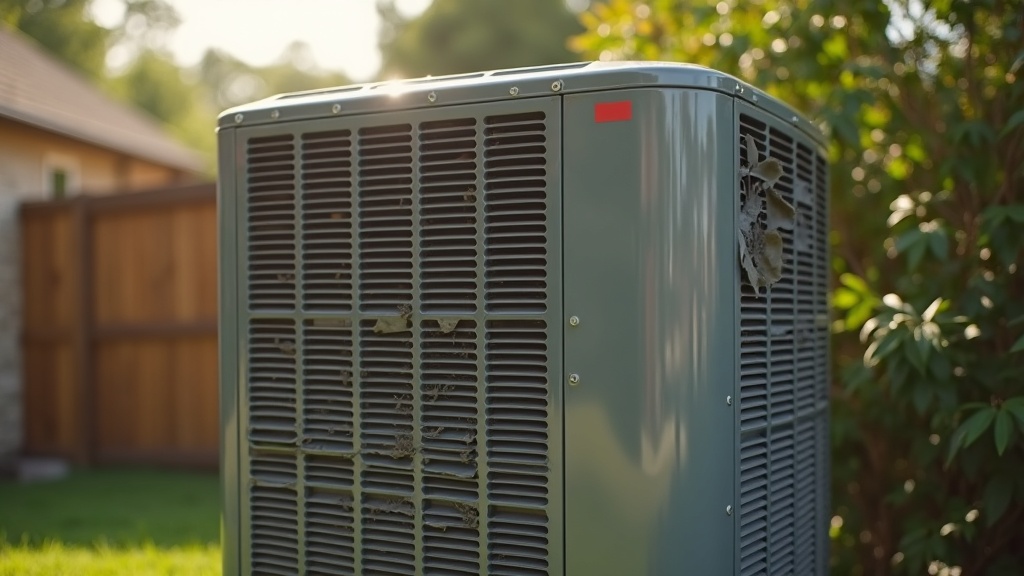
Outdoor units are exposed to Dallas weather, leaves, grass clippings, and even animal nests. Debris hitting the fan blade creates a loud clicking or scraping sound. Cleaning the unit’s exterior and fan grille often resolves this immediately.
Loose screws on access panels or the top grille amplify vibrations. A single loose panel can make the entire unit sound like it’s about to explode. Simply tightening these fasteners can eliminate 20% of “loud AC” complaints.
Rattling from inside the ductwork often points to a loose air filter. Ensure the filter is inserted correctly and not too large for the slot. For duct-specific issues, Duct Inspection Services in Dallas, Tx can locate obstructions.
4. Age and Wear: Why Older AC Units Are Noisier
Your AC’s sound level increases naturally as it ages. A unit over 10 years old can be 10–15 decibels louder than the day it was installed. This is due to worn motor bearings, degraded compressor mounts, and aged fan blades that lose their balance.
Newer units from brands like Lennox or Rheem operate as low as 55 decibels, similar to a quiet conversation. Older units often hit 70+ decibels, which is as loud as a vacuum cleaner. Replacing an aging system not only cuts noise but also reduces energy bills by up to 30%.
If your AC is over 15 years and constantly loud, consider Air Conditioner Installation Dallas for a modern, quiet inverter system. Inverter compressors ramp up gradually, eliminating the loud startup bang.
5. Refrigerant Issues and Compressor Overload
Low refrigerant levels cause the compressor to work harder, producing a laboring growl. This is often accompanied by warm air blowing from vents and ice buildup on the copper lines. A standard refrigerant recharge costs $150–$400, but sealing the leak is essential.
An overcharged system with too much refrigerant also creates loud operation. The liquid refrigerant can flood back to the compressor, causing a sloshing sound and eventual mechanical failure. Only trained technicians should check pressures.
Thermal overloads in the compressor click on and off repeatedly, creating a rhythmic clicking noise. This indicates the compressor is overheating due to dirty coils or a faulty capacitor. Immediate service from Heater Repair Services In Dallas Tx can prevent a full breakdown.
6. Electrical Noise: Buzzing, Humming, and Crackling Sounds
Buzzing from the electrical panel inside your air handler often signals a failing contactor or relay. The contactor’s coil can become weak, causing chattering. This is a fire risk and must be replaced immediately. A contactor replacement costs about $100–$200.
Crackling or arcing sounds are serious. They indicate damaged wiring or a failing capacitor. A bad capacitor can bulge or leak oil. If you see any oil residue near the start capacitor, call a professional immediately. Electrical issues are the top cause of AC fires.
For all electrical AC problems, trust licensed Electrical specialists to safely diagnose and repair your system. Never attempt capacitor replacement yourself due to high voltage risk.
7. The Cost of Ignoring a Loud AC: Damage and Energy Waste
A loud AC doesn’t just annoy you—it costs money. A system struggling with a locked rotor or bad fan motor can draw 40% more electricity. On a typical Dallas summer, that adds $100+ to your monthly bill.
Ignoring a refrigerant leak leads to compressor death. Replacing a compressor costs $1,500–$2,500, while a new condenser unit runs $3,000–$6,000. Early diagnosis saves thousands. Many homeowners find that early HVAC Installation Dallas, Tx is cheaper than repeated repairs.
Vibration damage also affects ductwork. Constant rumbling can shake joints loose, causing air leaks that reduce efficiency by 20%. Sealing ducts and securing the air handler solves this.
8. Professional vs. DIY: When to Call a Technician
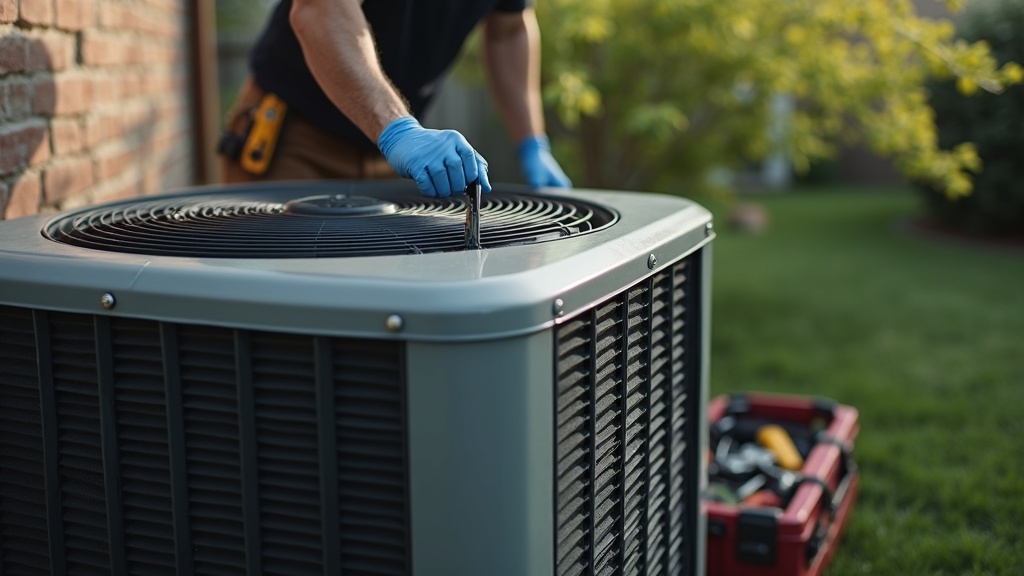
Simple fixes like tightening screws, cleaning debris, and changing filters are safe DIY tasks. Always shut off power before opening the outdoor unit. Use a soft brush or vacuum to remove dirt from condenser fins without bending them.
Any noise involving refrigerant, electricity, or moving parts under tension requires a pro. Specifically, buzzing from the compressor, continuous clicking, or grinding sounds from the blower motor warrant a call. Attempting to fix these yourself can void warranties or cause injury.
Schedule an annual maintenance visit to catch problems early. A well-maintained system from a reputable Air Conditioning service can last 15–20 years and operate quietly.
9. Quiet AC Options: Upgrade for Peace and Efficiency
If your unit is old and loud, consider upgrading to a modern system. Today’s best models like the Lennox XC25 or Trane XV20i operate at whisper-quiet 52 dB. Features like variable-speed fans and sound-dampening compressors make a huge difference.
Sound blankets are an intermediate solution. These thick foam wraps around the compressor can reduce noise by 5–10 dB. Cost is $150–$300. However, they only mask the problem if internal components are failing.
A complete system replacement with Heat Pump Installation also provides year-round quiet heating and cooling. Heat pumps are especially quiet in heating mode because they don’t use backup strips unless necessary.
Frequently Asked Questions
Why does my AC make a loud banging noise when starting up?
A loud bang at startup is often caused by a loose blower wheel spinning off-balance, or a compressor mount that has broken. The system rocks violently on start. Professional repair is needed to avoid secondary damage.
Can a dirty air filter cause my AC to be loud?
Yes, a clogged air filter reduces airflow, causing the blower motor to work harder and produce a loud roar or whistle. Replacing the filter every 1–3 months restores quiet operation and improves efficiency.
Is it safe to run a loud AC until I can fix it?
Not always. If the noise is grinding, squealing, or clicking from the compressor, continuing to run the unit can lead to catastrophic failure, fire, or refrigerant leaks. Shut off the AC and call a technician immediately.
How much does it cost to fix a loud AC unit?
Costs range from $150 for a capacitor replacement to $2,500 for a compressor or fan motor replacement. Loose parts or debris cleaning can be as low as $100. A thorough diagnosis from a pro starts around $75–$150.

