
📑 In this guide
Immediate Answers: Why Is My Attic Noisy Inside?
An excessively noisy attic spikes stress and signals lost efficiency. Why is my attic noisy inside? If you hear rattling, booming, or whistling above your ceiling, your HVAC ductwork or air handler is likely the culprit.
Airflow noise typically worsens when your HVAC system in Dallas is under the extreme load of a 100°F afternoon. High static pressure forces air through undersized or kinked flex ducts, producing whistles and whooshes.
In over 80% of Dallas service calls, attic noise stems from improper installation, loose components, or duct pressure imbalances. These are not just annoyances; they can reduce system efficiency by up to 20%.
Critical Diagnosis: HVAC Equipment vs. Ductwork Noise
Isolate the noise before calling for repair. First, stand in the attic with the system running. If the sound originates near the air handler or furnace, you face a mechanical issue. If it comes from the ducts themselves, search for a separation or a duct rubbing against a truss.
Contractor vs. Expanding Ducts
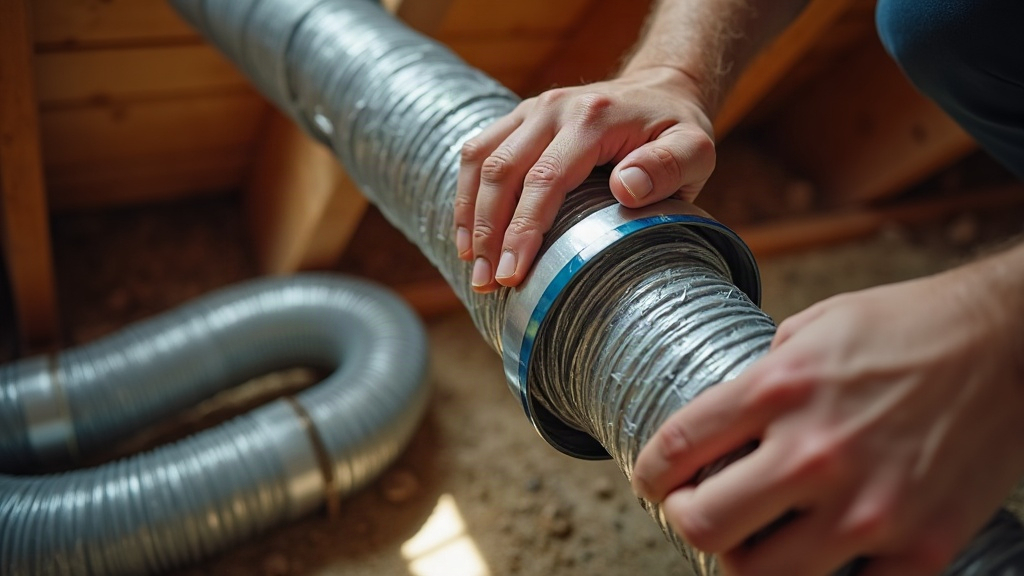
In Dallas, metallic ducts are common. When the furnace turns on, the metal heats and expands, creating a ticking or pinging. Flex ducts can rub against joists, causing a repetitive drumbeat. Conversely, a sharp crack often means a duct has come apart at a joint.
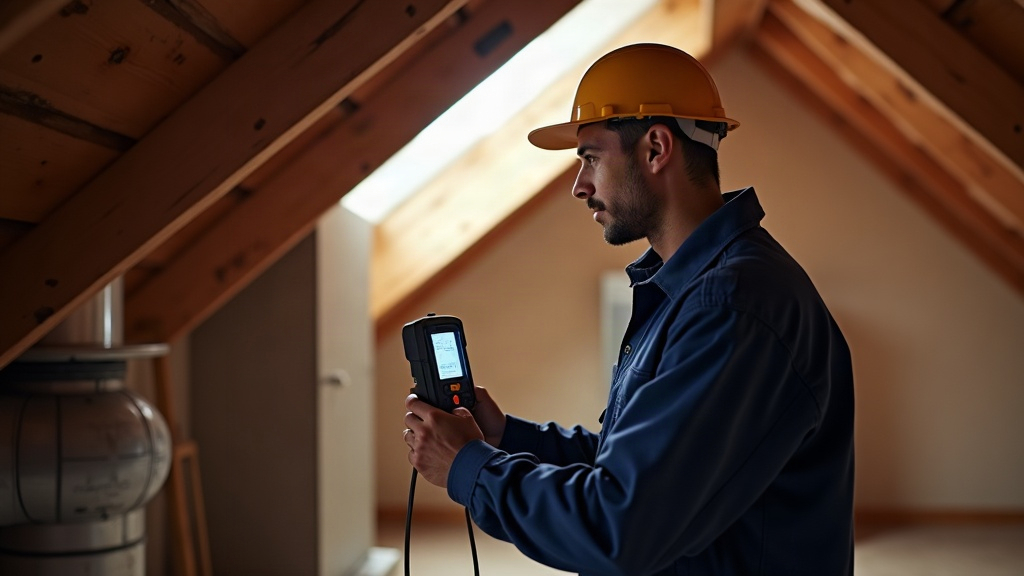
Professional duct inspections in Dallas always include a static pressure test to verify the duct design. Undersized return ducts are a chief cause of noise and premature blower failure.
Top 10 Culprits Behind Attic HVAC Noise and Fixes
Trust your ears, but verify with these known offenders in Dallas homes. Each requires a different fix, from a simple screw to a full duct replacement.
Listen for a metal-on-metal rattle near the air handler: the blower wheel might be loose.
- Squirrel or rodent infestations: Scratching, gnawing, and running sounds are common in older DFW attics. After a rodent exclusion service, reseal gaps around ducts.
- Ductwork resting on trusses: Vibration transmitted directly to the structure. Use rubber isolators to re-hang and support horizontal runs.
- Fuel line or refrigerant line contacting the duct: A buzzing or tinging occurs when the line vibrates against sheet metal. Insert felt or foam spacers.
- Loose duct insulation: Unsecured fiberglass batts can flutter in the airflow and make a constant rustle.
- Dirty blower wheel: A heavy thump or wobble means dirt creates an imbalance. Annual maintenance in Dallas prevents this.
- Compressor vibration through the line set: When the outdoor unit cycles, you hear a low-frequency hum through the attic line set. Secure the line correctly.
- Ice buildup on the coil: Hissing or crackling might indicate refrigerant issues. Turn the AC off and contact a technician for an AC repair.
- Cracked heat exchanger: In heating, any sharp metallic pinging is dangerous. A cracked heat exchanger is a carbon monoxide hazard and is one reason your furnace blows cold air.
- Oversized equipment: A short-cycling unit often has high airflow velocity through a small duct, creating a loud whoosh and inefficiency.
- Unbalanced duct system: A prominent whistle or roar from one register can indicate a pressure imbalance, often from a misplaced damper.
Deadly Silence: When Attic Noise Signals Danger
Not all attic noise should be silenced immediately. A distinct metallic pop followed by a gas smell could mean a cracked heat exchanger. Know the dangerous indicators.
Smoke detectors, carbon monoxide detectors, and a clear sound profile are your safety net. If you hear a high-pitched whistle near your furnace or water heater flue, the flue might be blocked.
Call a certified HVAC contractor immediately if you hear a loud roar from the attic and the AC stops producing cold air. Likewise, if the attic noise includes sizzling or a boiling sound, emergency heat pump or refrigerant problems are likely.
When in doubt, the National Fire Protection Association recommends regular maintenance to prevent attic fires from electrical shorts in HVAC equipment.
Pros and Cons: DIY vs. Professional Attic Noise Inspection
| Inspection Method | Pros | Cons | Best For |
|---|---|---|---|
| DIY Visual Check | Free, immediate, can spot obvious loose ducts or wildlife. | Misses internal failures, static pressure, and safety hazards like cracked heat exchangers. | Quick look after a storm or when you have excellent attic access. |
| Professional HVAC Diagnostic | Uses specialized tools (manometers, anemometers, thermal cameras), fixes root cause, ensures warranty validity. | Costs between $89 and $150 for a service call in Dallas; cheap for peace of mind. | Recurring noises, system inefficiency, or gas-powered furnaces. |
| Acoustic Analysis App | Can help you describe the sound to a technician. | Cannot determine static pressure or diagnose mechanical parts. | Locating the exact time the noise occurs. |
Remember, your HVAC system is a complex assembly. Always read the manufacturer’s manual and your warranty terms before attempting self-repairs.
In Dallas, consider a membership plan like Supremacy’s Maintenance Membership for priority service and discounted diagnostics.

Preventative Measures and Smart Upgrades for a Quiet Attic
Silence your attic permanently with modern solutions. Aeroseal duct sealing can reduce leaks and noise dramatically.
Consider adding smart LED lighting with motion sensors to reveal attic noise sources before they resolve. Adding a smart thermostat with a delay that reduces blower ramp-up speed can stop loud starts.
Check your attic insulation levels. Proper insulation to at least R-38 in Dallas will dampen sound and improve efficiency. Use rubber-backed isolation mounts for any HVAC unit floor.
Schedule an annual furnace tune-up and AC tune-up. Professionals will lubricate motors and check for loose parts.
When to Call a Professional: The Ultimate Checklist
If the noise is a rhythmic squeak that coincides with the blower motor’s operation, call our Dallas technicians today.
Do not wait until your system fails. The following signs demand immediate action:
- Clicking from the control board multiple times before the system starts.
- Rattling that persists after tightening visible screws.
- Whistling that gets louder when you close a bedroom door.
- Booming from the attic when the furnace ignites.
- Continuous buzzing even when the thermostat is off.
Our NATE-certified professionals use a 21-point diagnostic. We have fixed attic noise issues in Plano, Frisco, and Fort Worth for over 20 years.
Contact Supremacy Service at (phone number) to book your attic acoustic inspection. Ensure your home is quiet and efficient.
Need professional attic HVAC inspection in Dallas? Call Supremacy Service now!
Our NATE-certified technicians will pinpoint the exact cause of your attic noise and restore peace and efficiency to your HVAC system.
Frequently Asked Questions
My attic makes a loud booming noise when the heat comes on. Is that dangerous?
A booming sound as the furnace ignites could indicate a delayed ignition or a cracked heat exchanger. This is a serious safety issue. Turn off your heating system and call a qualified HVAC technician immediately.
Why do I hear whistling sounds coming from my attic only when it’s windy outside?
Wind-driven whistling often comes from unsealed duct connections or bypass openings near the attic. Your attic venting may also be improperly balanced, allowing air to move through the ducts. Check for duct gaps and seal them with mastic or foil tape.
Can noisy attic ducts reduce the efficiency of my Dallas AC?
Yes. Noisy ducts often indicate high static pressure, which means your blower works harder to push air. This can reduce efficiency by as much as 20% and increase your energy bill. Fixing airflow issues will lower humidity and improve comfort in DFW’s heat.
Is it okay to wear earplugs and ignore attic noise?
No. Noise is a warning. Ignoring it can lead to a full HVAC break down and expensive repairs, especially if a blower wheel is failing or a refrigerant line is wearing. Early diagnosis saves money.
What are the costs to fix attic HVAC noises in Dallas?
A simple repair like re-securing a duct clamp can cost between $75 and $150. Replacing a flex duct run might cost between $250 and $500. If your entire duct system is undersized, plan for $2,500 to $5,000 for a full replacement. Get a written quote before work begins.

