
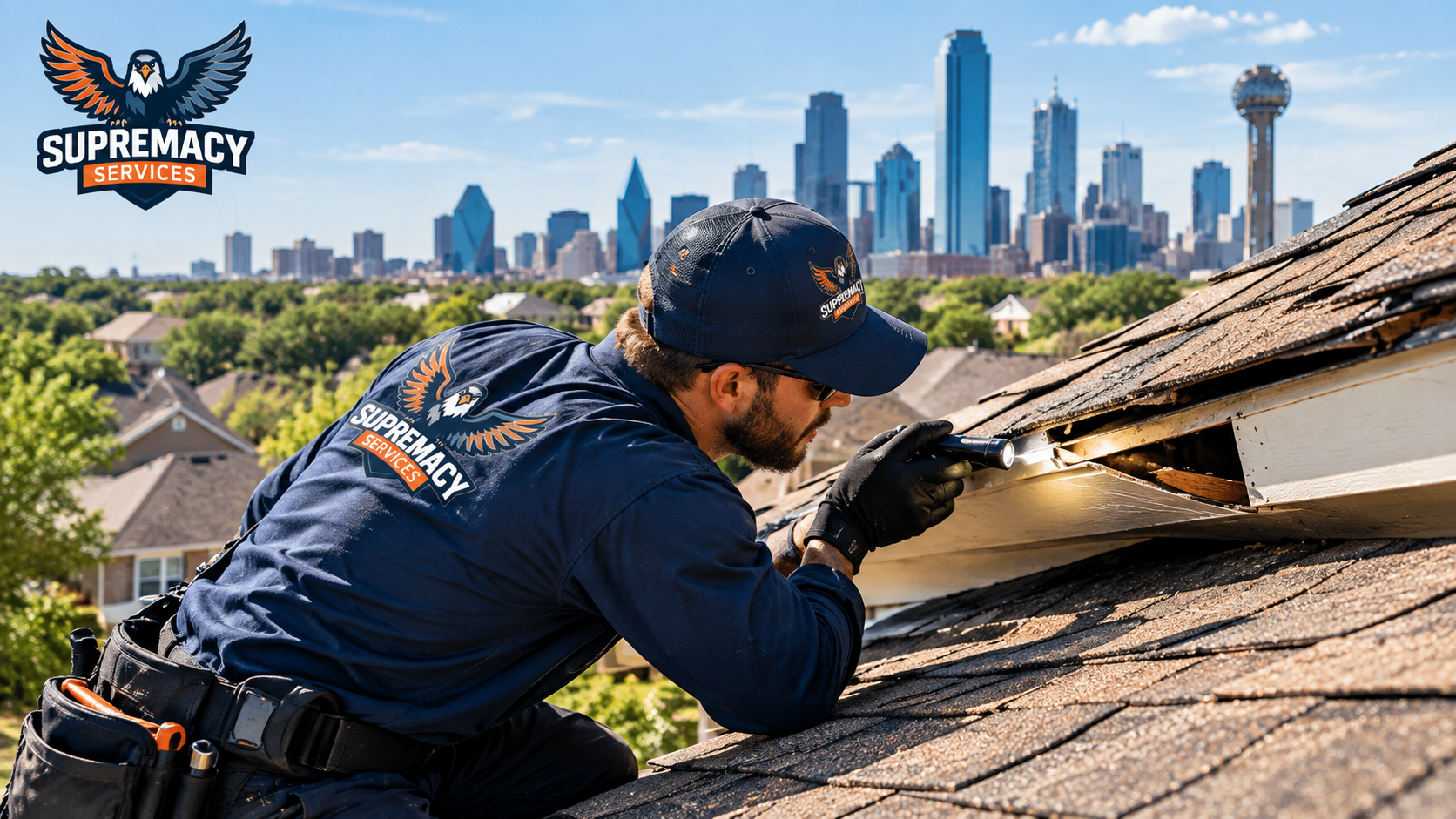
Wildlife Removal in Dallas: What Homeowners Need to Know
Hearing scratching in your attic, seeing an animal around your roof, or finding droppings near your home can be more than an annoyance. Raccoons, squirrels, opossums, and other wildlife can enter through small openings around roofs, soffits, vents, chimneys, and other vulnerable areas.
For Dallas homeowners, the solution is not simply removing the animal. A proper wildlife removal process should identify what animal is present, how it entered, whether there are babies or nesting materials, what damage has occurred, and how the entry point can be secured.
Quick Answer: What Is Wildlife Removal?
Wildlife removal is the professional process of identifying, safely removing, and preventing nuisance wild animals from entering a home or property.
For a Dallas home, effective wildlife control should generally involve inspection, animal identification, safe removal, entry-point exclusion, and cleanup of affected areas rather than simply trapping an animal and leaving the opening exposed.
This distinction is important because removing one animal without addressing the entry point can allow another animal to enter later.
Why Are Wild Animals Getting Into Dallas Homes?
Dallas homes provide wildlife with three things animals naturally look for: shelter, warmth, and access to food or water.
Attics are particularly attractive because they are enclosed, quiet, and protected from weather and predators.
Animals may enter through:
- Damaged roof sections
- Loose soffits and fascia
- Broken attic vents
- Roof and wall gaps
- Chimney openings
- Damaged screens
- Gaps around utility penetrations
- Openings created by previous construction
- Weak areas around garages and crawl spaces
A small roof defect can become a much bigger problem once an animal discovers it.
6 Signs You May Have Wildlife in Your Attic
1. Scratching or Thumping Sounds
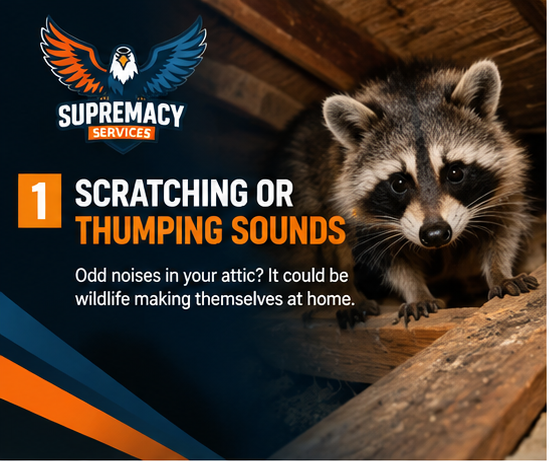
Hearing scratching, running, or heavy movement above the ceiling can indicate animal activity.
The timing can provide clues. Nocturnal animals may become more active after dark, while squirrels are commonly heard during daylight hours.
2. Droppings or Urine Odors
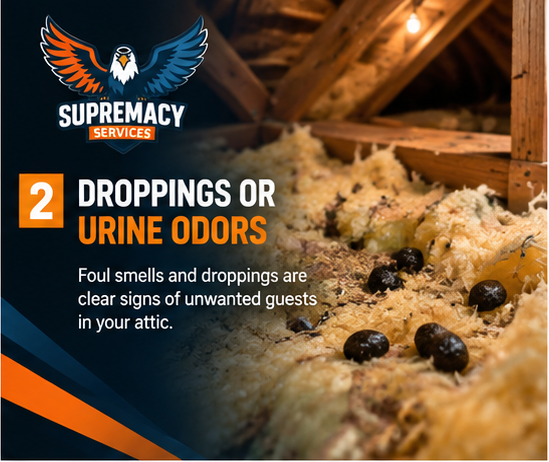
Animal waste in an attic or crawl space can produce persistent odors and may indicate that wildlife has been using the area as a nesting or shelter site.
3. Damaged Insulation
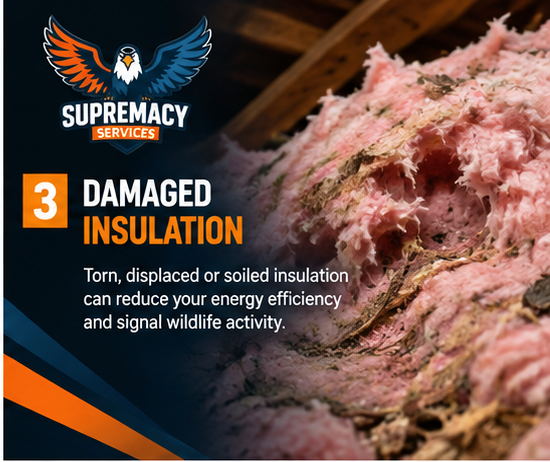
Wildlife may disturb insulation while creating nests or moving through the attic.
Flattened, torn, or displaced insulation deserves closer inspection.
4. Chewed Wiring or Building Materials
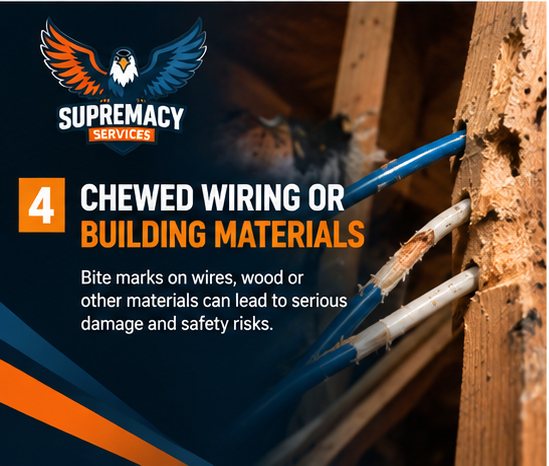
Some animals chew wood, plastic, insulation, and electrical wiring. Damaged wiring is particularly concerning because it can create a potential electrical and fire hazard.
5. Visible Entry Holes
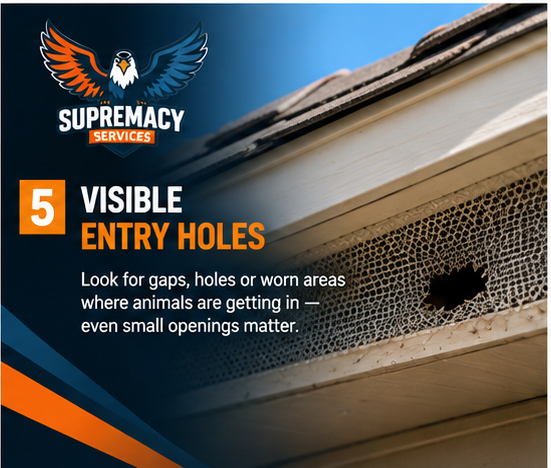
Look around rooflines, vents, soffits, fascia, and other exterior areas for damaged or displaced materials.
An opening does not necessarily mean an animal is still inside—but it can explain how wildlife gained access.
6. Unusual Animal Activity Around Your Roof
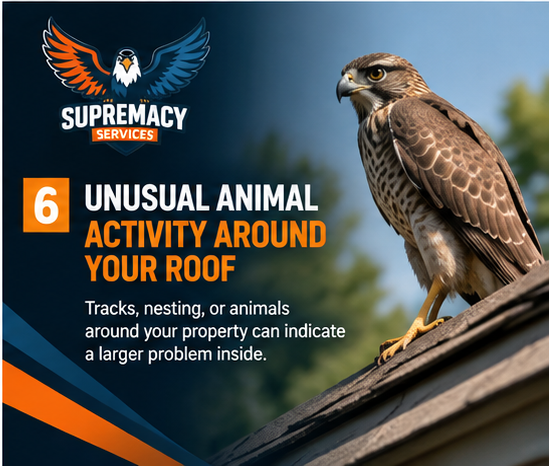
Repeatedly seeing squirrels, raccoons, birds, or other wildlife climbing onto the roof can be a warning sign, particularly when combined with attic noises or visible damage.
What Animals Commonly Get Into Dallas Homes?
Dallas homeowners can encounter several types of nuisance wildlife.
Raccoons
Raccoons are strong climbers and can exploit weak areas around roofs, soffits, vents, and other openings. Once inside an attic, they can disturb insulation, create nesting areas, and leave behind waste.
Squirrels
Squirrels can access attics through relatively small openings and may chew through building materials and wiring while establishing nests.
Opossums
Opossums may shelter around crawl spaces, garages, decks, and other protected areas. They can also enter structures when suitable openings are available.
Skunks
Skunks are more commonly associated with yards, crawl spaces, decks, and areas beneath structures. Their presence can create odor problems when they feel threatened.
Birds and Bats
Birds and bats can enter through roof openings, vents, chimneys, and other structural gaps. Because some wildlife species are protected under state or federal rules, species identification matters before removal or exclusion work begins. Texas Parks and Wildlife notes that indigenous birds are protected and that bat exclusion has seasonal considerations
Where Do Animals Enter a Dallas Home?
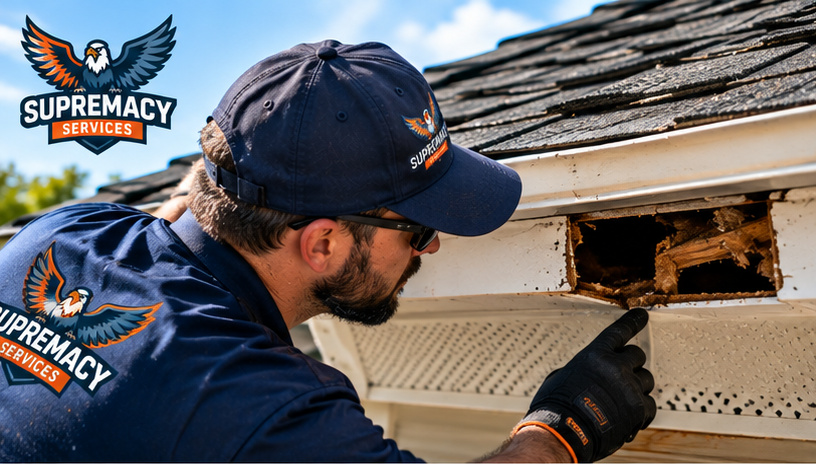
Wildlife rarely enters a home through the front door.
Instead, technicians commonly investigate vulnerable areas such as:
Roofline
Damaged shingles, roof edges, flashing, and construction gaps can create access points.
Soffits and Fascia
Loose or damaged soffits can provide a direct route into attic spaces.
Attic Vents
Broken screens or damaged vent covers can allow animals to enter.
Chimneys
Open or damaged chimney areas can provide access to birds, raccoons, and other wildlife.
Utility Openings
Gaps around pipes, cables, and other penetrations may become entry routes.
Foundation and Crawl Spaces
Some animals prefer lower, sheltered areas beneath porches, decks, garages, or homes.
What Happens During a Professional Wildlife Inspection?
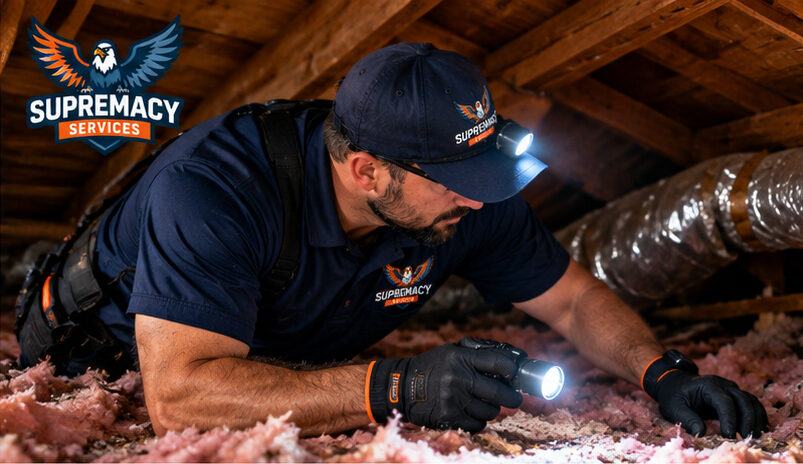
A proper wildlife inspection should look beyond the location where you first noticed the animal.
Step 1: Exterior Inspection
The technician inspects the roofline, soffits, vents, fascia, chimney, foundation, and other areas where wildlife may gain access. This helps identify visible damage, signs of activity, and potential entry points..
Step 2: Attic Inspection
The attic is carefully checked for droppings, nesting materials, disturbed insulation, tracks, unusual odors, and other signs of animal activity. These clues help determine whether wildlife is currently present and whether damage has occurred.
Step 3: Identify the Animal
Proper identification is essential because different wildlife species have different behaviors, nesting habits, and removal requirements. Identifying the animal helps ensure the appropriate approach is used for the situation.
Step 4: Locate Entry Points
The technician traces how the animal gained access and checks for additional openings around the structure. Finding all potential entry points helps prevent animals from returning after removal.
Step 5: Determine the Removal Approach
The removal method is selected based on the species, location, level of activity, and condition of the property. Special consideration is given to situations where young animals or nesting wildlife may be present.
Wildlife Removal Is More Than Trapping
Trapping or removing an animal does not necessarily solve the problem.
If the opening remains accessible, another animal may eventually discover the same route.
That is why professional wildlife control should address the entire problem, not just the animal.
A complete approach may include:
- Inspection
- Animal identification
- Safe removal
- Entry-point exclusion
- Damage assessment
- Attic cleanup or sanitation where necessary
- Final inspection
Supremacy’s existing Dallas wildlife service follows this broader inspection → removal → exclusion → cleanup approach.
What Is Wildlife Exclusion?
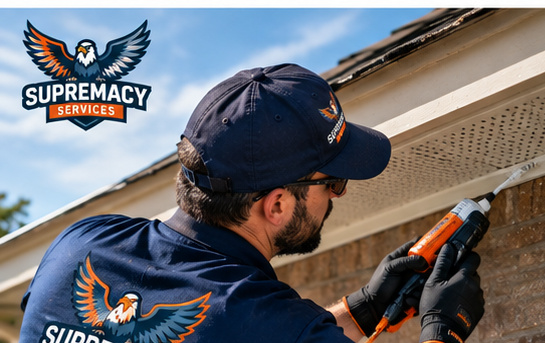
Wildlife exclusion is the process of securing the openings that allow animals to enter a home.
Depending on the location and type of opening, exclusion work may involve repairing or reinforcing:
- Roof gaps
- Soffits
- Fascia
- Attic vents
- Chimney openings
- Foundation openings
- Crawl-space access points
- Other vulnerable exterior areas
The objective is simple:
Remove the access route so the wildlife problem does not repeat itself.
What Damage Can Wildlife Cause in an Attic?
Wildlife can cause more than noise.
Potential problems include:
Damaged insulation
Nesting and repeated movement can disturb attic insulation and reduce its effectiveness.
Chewed electrical wiring
Some animals chew wiring, creating a potential electrical hazard.
Contamination
Droppings, urine, nesting materials, and carcasses can create unpleasant odors and sanitation concerns.
Damaged roofing materials
Animals may exploit weak roofing areas and enlarge openings while entering and leaving.
Damaged ductwork
Animals moving through attic spaces can damage exposed HVAC components.
Repeated infestations
If the original entry point remains open, the problem may return.
Raccoon or Opossum Evidence: What Should You Look For?
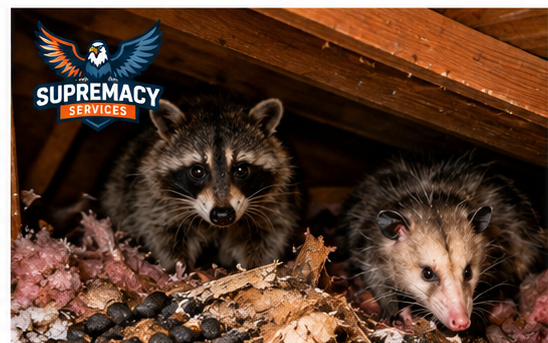
If you suspect a raccoon or opossum, look for multiple signs rather than relying on one clue.
Possible evidence includes:
- Heavy scratching or movement
- Droppings
- Strong odors
- Disturbed insulation
- Nesting materials
- Tracks or paw prints
- Damage around entry points
- Repeated nighttime activity
- Visible animals entering or leaving the structure
If the evidence suggests wildlife is inside your attic, avoid approaching or handling the animal yourself.
Should You Remove Wildlife Yourself?
DIY removal can create unnecessary risks.
An animal that feels trapped may scratch or bite, while disturbing a nest can create another problem if young animals are present.
There is also a legal consideration: Texas regulates wildlife species differently. Raccoons and opossums are classified as fur-bearing animals, while certain birds and bats receive additional protections.
For Texas-specific wildlife rules, homeowners can consult the Texas Parks and Wildlife Department’s wildlife regulations.
When Should You Call a Wildlife Removal Professional?
Call a professional when:
- You hear repeated animal activity in the attic.
- You see an animal entering your roof or home.
- You find droppings or nesting materials.
- You discover a damaged roof or attic vent.
- You find chewed wiring.
- You smell persistent animal odors.
- You suspect an animal may have babies inside.
- You have tried basic deterrents and the problem continues.
The sooner the source is identified, the easier it generally is to prevent additional damage.
Why Dallas Homeowners Should Take Attic Wildlife Seriously
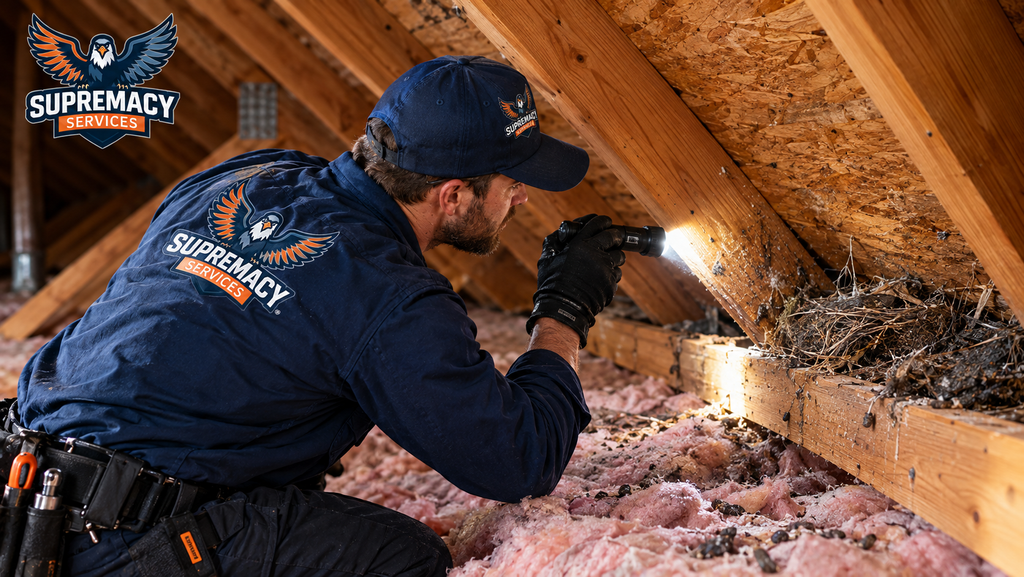
Dallas and the surrounding DFW area combine established neighborhoods, mature trees, varied home construction, and abundant residential shelter.
That means wildlife can find opportunities around roofs, attics, fences, garages, crawl spaces, and other parts of a property.
A homeowner may not notice the problem until the animal has already established a nesting area.
That’s why inspection and exclusion are just as important as removal.
Attic informational hub
- How to Tell If You Have a Raccoon in Your Attic
- How to Keep Squirrels Out of Your Dallas Attic
- How to Tell If an Opossum Is Living Under Your House
- How Animals Get Into Your Roof and Attic
- Raccoon Removal in DallasWildlife Exclusion: How to Keep Animals Out of Your Home
- Signs You Have an Animal in Your Attic
- How Much Does Wildlife Removal Cost in Dallas?
How Supremacy Services Handles Wildlife Removal in Dallas
At Supremacy Services, the focus should be presented as solving the cause of the wildlife problem, not simply removing an animal.
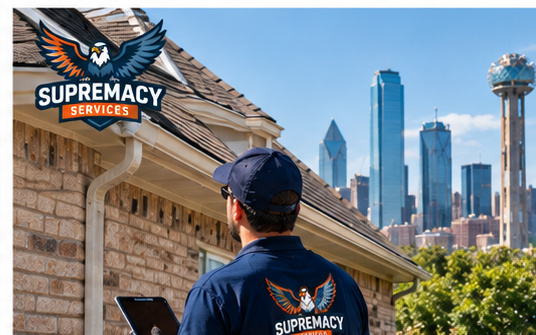
1. Inspect
We begin with a thorough inspection of the property, attic, roofline, soffits, vents, crawl spaces, and other areas where wildlife may gain access. We look for droppings, nesting materials, damage, unusual odors, tracks, disturbed insulation, and visible entry points. This helps us understand the extent of the problem rather than treating only the most obvious sign of wildlife activity.
2. Identify
Different animals require different handling methods, so identifying the wildlife involved is an important part of the process. We assess the signs we find to determine whether the problem involves raccoons, squirrels, opossums, skunks, birds, bats, or other nuisance wildlife. We also consider whether young animals may be present before determining the safest and most appropriate removal approach.
3. Remove
Once the situation has been assessed, we use appropriate professional methods to address the active wildlife problem. The goal is to remove the animal safely while minimizing stress, property damage, and unnecessary disruption to your home. We also consider the animal’s behavior and location to help ensure the removal is handled responsibly.
4. Exclude
Removing the animal is only part of the solution if the property remains accessible. We identify vulnerable areas such as roof gaps, damaged vents, soffits, fascia, chimneys, and other openings that wildlife can use to get inside. These access points are secured as part of the exclusion process to reduce the likelihood of the same or another animal returning.
5. Restore
Wildlife can leave behind more than just an animal that needs to be removed. Nesting materials, droppings, urine, odors, damaged insulation, and other contamination may remain after the animal is gone. We assess affected areas and identify any necessary cleanup, sanitation, odor treatment, or restoration work to help return the space to a cleaner and safer condition.
homeowners can arrange a Dallas wildlife removal inspection
Frequently Asked Questions
How do I know if an animal is in my attic?
Scratching, running, thumping, unusual odors, droppings, damaged insulation, or visible entry holes can indicate wildlife activity. Because different animals make similar sounds, an inspection is the best way to identify the problem.
What animals commonly get into Dallas attics?
Common attic invaders in Dallas include raccoons, squirrels, opossums, birds, and bats. Each animal requires a different removal and prevention approach.
Can wildlife damage my electrical wiring?
Yes. Animals such as squirrels and rodents may chew electrical wiring, creating a potential fire hazard. Any suspected wiring damage should be inspected and repaired by a qualified professional.
Will removing the animal stop it from coming back?
Not necessarily. If the animal can still access the property, it may return. Sealing entry points and addressing other vulnerabilities helps prevent future wildlife problems.
How do I find where an animal entered my house?
Check rooflines, soffits, fascia, vents, chimneys, crawl spaces, and other exterior openings for gaps or damage. Some entry points are difficult to spot, so a professional inspection can help locate them.
Should I seal the hole while the animal is still inside?
No. Sealing an opening before confirming the animal is out can trap it inside or separate a mother from her young. The animal should be safely removed before permanent exclusion work is completed.
How much does wildlife removal cost in Dallas?
Wildlife removal costs depend on the animal, location, level of activity, property access, damage, and amount of exclusion work needed. An inspection can determine the scope of work and provide a more accurate estimate.
Does Supremacy remove raccoons and opossums?
Yes. Supremacy provides Dallas wildlife removal for nuisance animals such as raccoons, opossums, squirrels, and skunks, along with wildlife exclusion and attic cleanup services.
Hearing Scratching in Your Dallas Attic?
Don’t wait for a small entry point to become a bigger wildlife problem. Contact Supremacy for a professional inspection and safe wildlife removal.

