
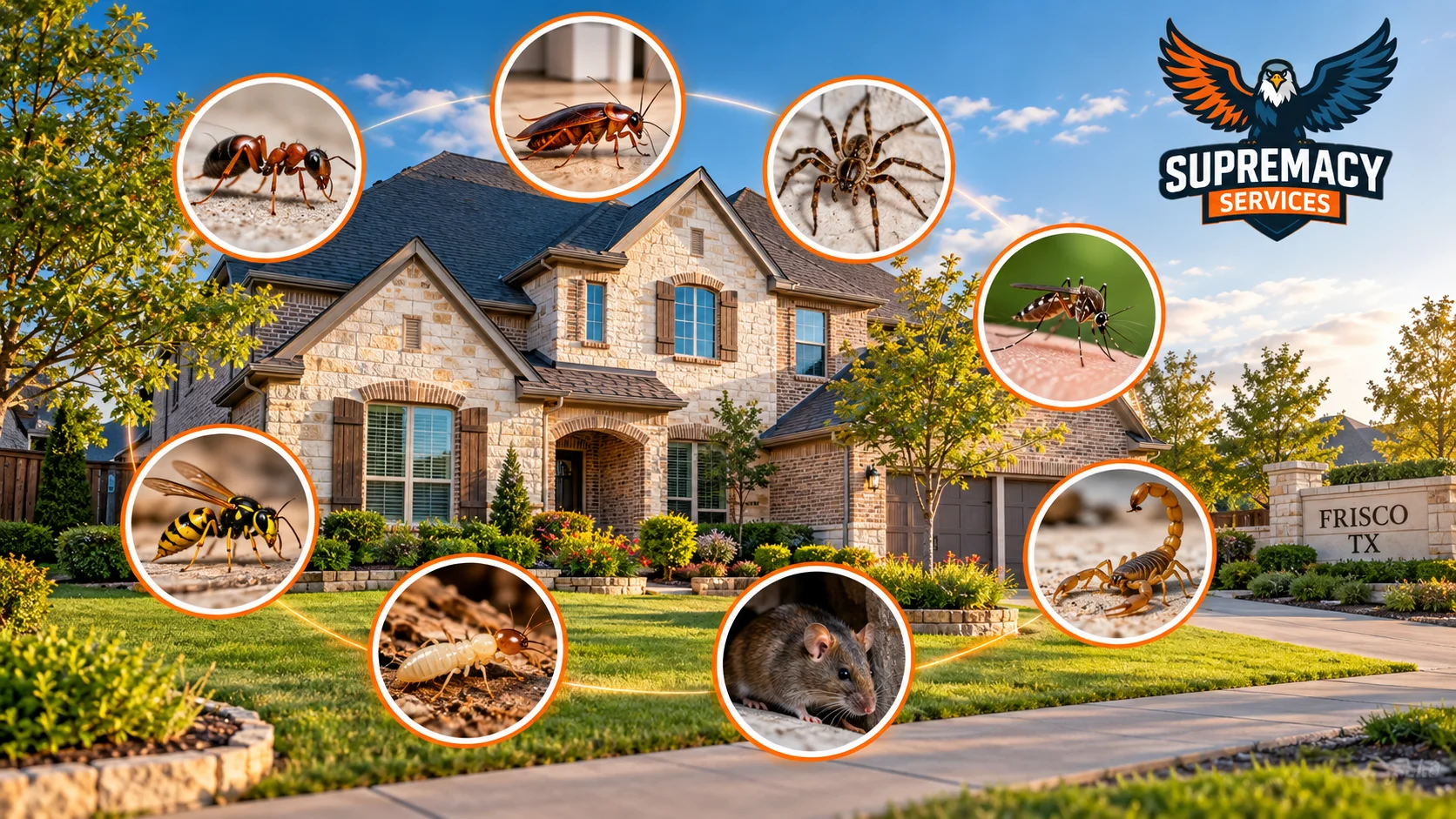
Frisco homeowners can encounter everything from ants, cockroaches and spiders to mosquitoes, termites, rodents, scorpions, wasps and bed bugs. The exact pest pressure varies by property, weather, season, moisture, food sources and available shelter.
Knowing the most common pests in Frisco, TX makes it easier to recognize a developing problem, remove conditions attracting pests and determine when a few unwanted visitors have become something that needs professional attention.
This guide covers the pests Frisco homeowners are most likely to worry about, where to look for them and practical steps you can take to make your property less inviting.
Table of Contents
- Why Frisco Homes Experience Pest Problems
- Common Pests in Frisco, TX
- Cockroaches
- Ants and Fire Ants
- Spiders
- Mosquitoes
- Termites
- Rats and Mice
- Scorpions
- Wasps and Hornets
- Bed Bugs
- Fleas and Ticks
- Which Pests Are Seasonal?
- How to Prevent Pest Problems
- DIY vs. Professional Pest Control
- FAQs
Why Do Frisco Homes Experience Pest Problems?
Pests enter or gather around homes primarily because a property provides one or more basic resources: food, water, shelter or access.
Around a Frisco property, that can include:
- gaps around doors and garage doors;
- plumbing and utility penetrations;
- roofline or vent openings;
- food crumbs and improperly stored pantry products;
- pet food;
- garbage;
- leaking plumbing or irrigation;
- standing water;
- dense vegetation touching the structure;
- firewood and stored materials;
- exterior lighting that attracts insects;
- undisturbed garages, attics and storage areas.
Different pests respond to different conditions, which is why identification should come before treatment.
A trail of ants, a cockroach beneath a kitchen appliance and scratching in an attic are three very different problems even though homeowners may initially describe all three simply as a “pest problem.”
What Are the Most Common Pests in Frisco, TX?
Frisco and the surrounding North Texas area can experience several categories of household and outdoor pests.
| Pest | Common places homeowners notice activity | Signs to watch for |
|---|---|---|
| Cockroaches | Kitchens, bathrooms, garages, utility areas | Live roaches, droppings, recurring nighttime sightings |
| Ants | Kitchens, foundations, lawns, patios | Trails, mounds, activity around food |
| Spiders | Eaves, garages, patios, storage areas | Webs, egg sacs, repeated sightings |
| Mosquitoes | Shaded yards, vegetation, standing-water areas | Heavy biting activity outdoors |
| Termites | Soil-to-structure areas and wood | Swarmers, discarded wings, damaged wood or shelter tubes |
| Rats and mice | Attics, garages, walls, storage areas | Droppings, gnawing, scratching sounds |
| Scorpions | Garages, landscaping, stonework, exterior walls | Indoor or nighttime sightings |
| Wasps/hornets | Eaves, rooflines, trees, sheds | Nest activity and repeated flight patterns |
| Bed bugs | Beds, furniture and sleeping areas | Live insects, spotting, shed skins |
| Fleas/ticks | Yards and pet-use areas | Parasites on pets or recurring bites/activity |
One pest sighting does not automatically prove a large infestation. Repeated sightings, evidence of reproduction, property damage or activity in multiple areas deserve closer investigation.
1. Cockroaches
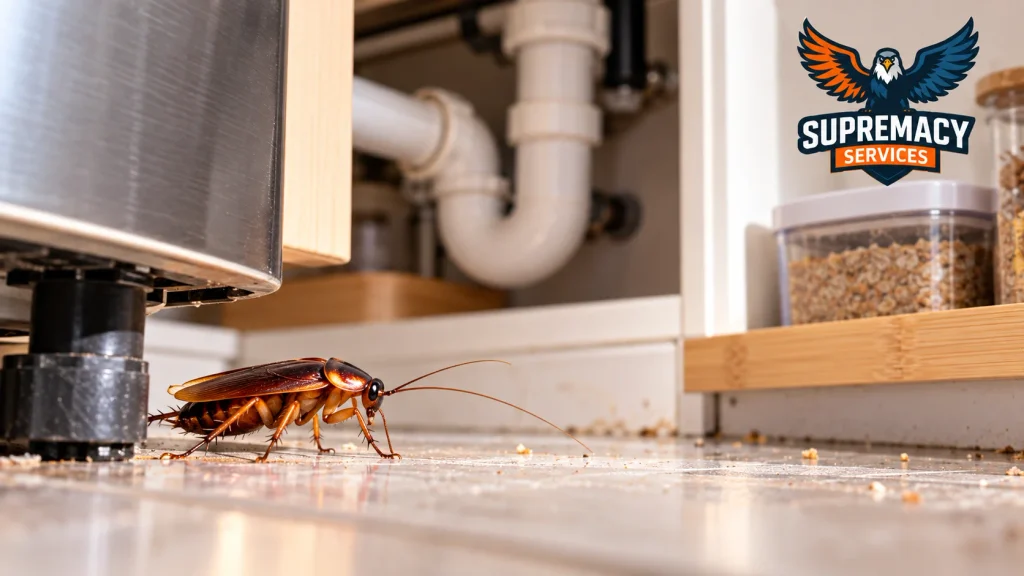
Cockroaches are among the most troublesome indoor pests because different species can behave very differently.
Texas A&M AgriLife identifies cockroaches as a significant homeowner insect problem and emphasizes species identification as part of successful management.
Where do cockroaches hide?
Depending on the species, look around:
- refrigerators and dishwashers;
- sinks and plumbing;
- kitchen cabinets;
- bathrooms;
- garages;
- drains and utility spaces;
- wall and cabinet gaps.
German cockroaches are particularly associated with warm indoor areas near food and moisture, while larger cockroach species may also originate outdoors or around damp utility areas.
When should you worry?
Repeated sightings—especially activity in kitchens or multiple life stages—justify a closer inspection. Simply spraying the cockroach you see may not reach protected harborages elsewhere in the property.
If cockroaches keep appearing after cleaning or store-bought treatments, learn how professional cockroach control identifies the species and targets the areas where activity is concentrated.
2. Ants and Fire Ants
Ant problems can range from small indoor trails to outdoor colonies and fire-ant mounds.
Ants may become noticeable around kitchens when workers locate food or moisture. Outdoors, activity can occur around lawns, landscaping, patios and foundation edges.
What should homeowners do?
Start by:
- cleaning food residues;
- storing food securely;
- addressing moisture;
- following ant trails to determine where they are traveling;
- checking gaps around exterior entry points;
- avoiding random pesticide applications that do not account for the species or colony location.
Fire ants require additional caution because disturbed colonies can produce multiple stings.
3. Spiders
Seeing spiders around a Frisco home can sometimes indicate that the property is also supporting the insects they prey on.
Spiders may establish webs or shelter around:
- exterior lighting;
- eaves and soffits;
- garages;
- patios;
- storage areas;
- windows and doors;
- landscaping near structures.
Supremacy’s current North Texas spider-control material similarly focuses on both spiders and the surrounding insect populations providing their food.
Why do spiders keep coming back?
Removing a web does not necessarily remove the conditions attracting spiders.
If insects repeatedly gather around exterior lights, landscaping or entrances, spiders still have access to prey. Gaps around windows, doors, vents and utility penetrations can also allow spiders to move indoors.
Recurring webs, egg sacs or repeated indoor sightings are more useful warning signs than a single spider outdoors.
4. Mosquitoes
Mosquitoes deserve special attention in Frisco because they are not merely nuisance pests.
The City of Frisco operates a mosquito-surveillance program and tests mosquito traps weekly during mosquito season, which runs from May through November. The city’s prevention guidance emphasizes eliminating standing water around homes.
As of September 25, 2026, Frisco reported 13 mosquito pools testing positive for West Nile virus during the year, while reporting no confirmed human cases in Frisco at that time.
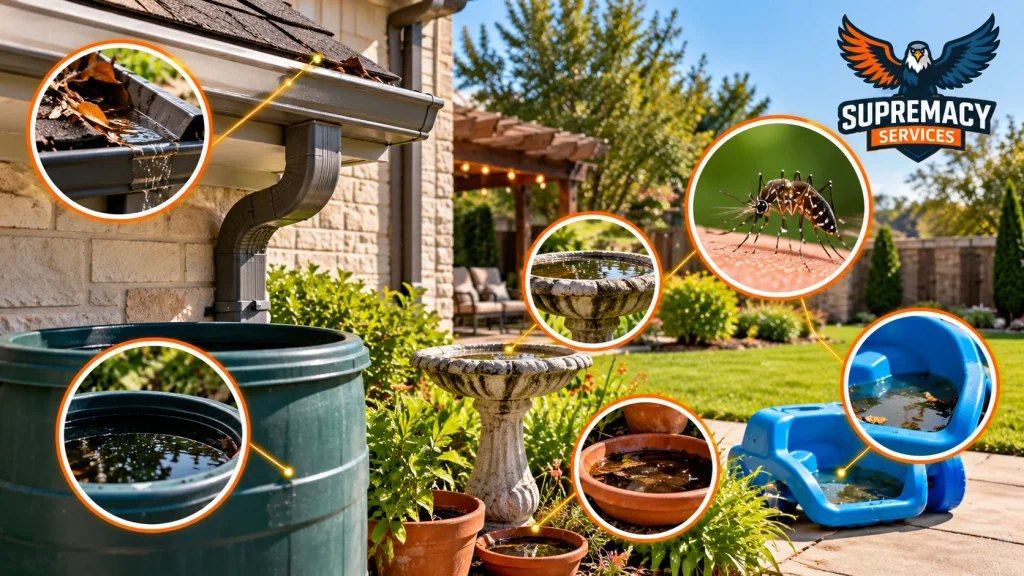
Where can mosquitoes breed around a home?
Check:
- plant saucers;
- bird baths;
- buckets;
- clogged gutters;
- children’s outdoor items;
- poorly draining areas;
- uncovered containers;
- rain barrels;
- other places where water remains standing.
Frisco specifically recommends routinely eliminating these small water sources because source reduction is one of the most effective ways residents can reduce mosquito breeding around their properties.
DIY mosquito prevention
Empty unnecessary standing water, maintain gutters, keep pools properly maintained and use an EPA-registered repellent according to its label when personal protection is needed.
When mosquito pressure remains heavy despite source reduction, professional yard management may be worth considering.
5. Termites
Termites differ from many nuisance pests because their activity can involve the wooden components of a building.
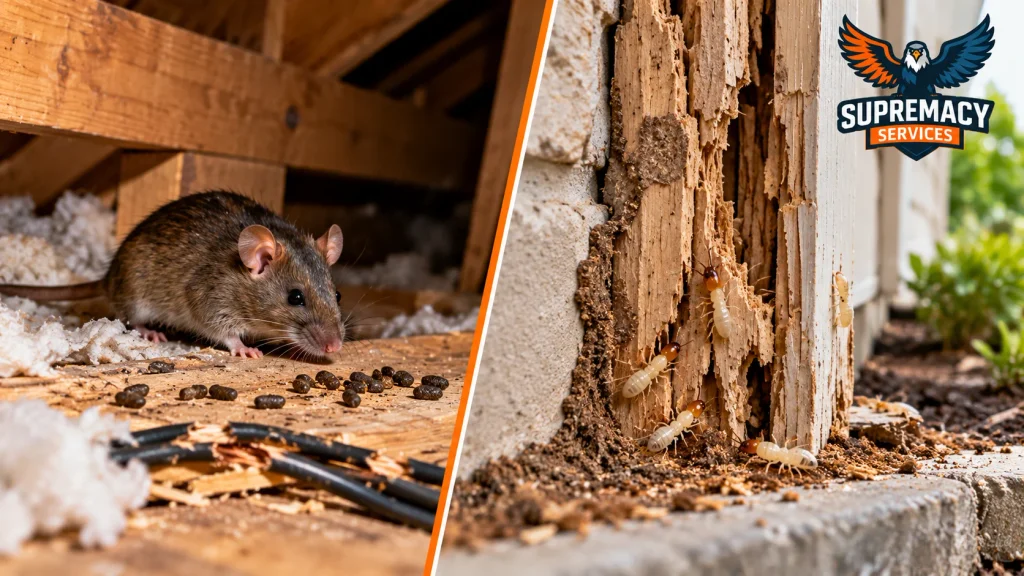
Homeowners should pay attention to signs such as:
- termite swarmers;
- discarded wings;
- suspicious wood damage;
- mud or shelter tubes;
- activity around wood-to-soil areas.
Do not rely solely on visible insects to determine whether termites are present. A proper inspection focuses on evidence and conducive conditions around the structure.
If you suspect termite activity, identification is more important than indiscriminately applying general household insecticide.
6. Rats and Mice
Rodents often reveal themselves through evidence rather than direct sightings.
Common warning signs include:
- scratching or movement in ceilings and walls;
- droppings;
- gnawed materials;
- damaged food packaging;
- disturbed attic insulation;
- nesting materials;
- nighttime activity.
Rodent control is also different from ordinary insect treatment because removing the animal does not necessarily address how it entered.
Where should Frisco homeowners inspect?
Pay particular attention to garages, rooflines, vents, utility penetrations, attic areas and other structural openings.
Effective long-term management may require both control and exclusion—addressing active rodents while correcting vulnerable entry points.
7. Scorpions
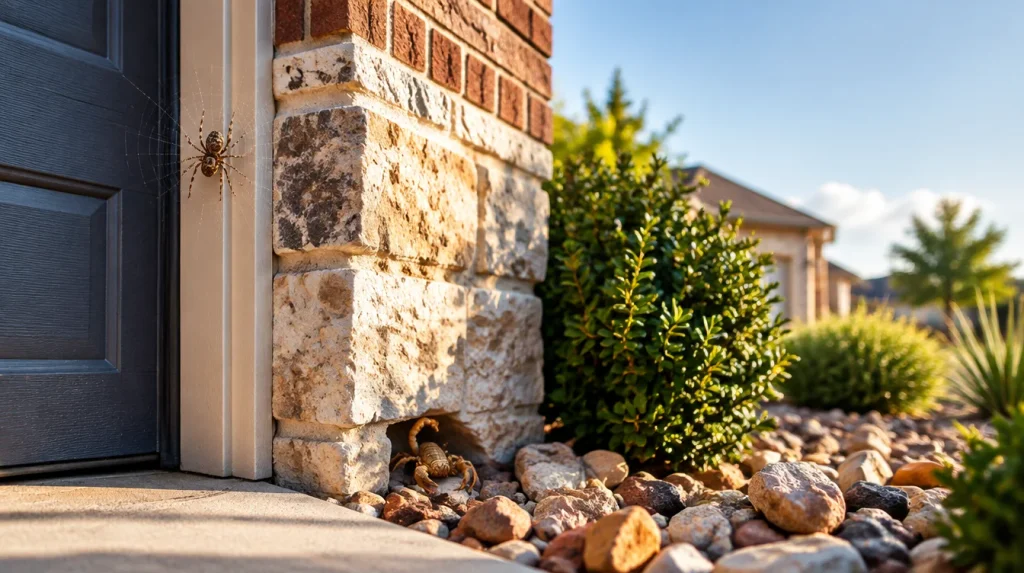
Scorpions may be found around landscaping, rocks, garages, foundations and other protected exterior locations.
They are predators, so a property supporting abundant insect prey can also provide favorable conditions for scorpions.
Supremacy’s North Texas scorpion guidance identifies shelter, moisture, exterior gaps and prey availability as important property-level factors.
Signs that deserve attention
One isolated outdoor sighting is different from:
- repeated scorpions indoors;
- recurring garage sightings;
- activity near exterior doors;
- multiple nighttime sightings;
- scorpions around patios or foundation areas.
In those situations, inspect both entry points and the broader pest population around the house.
8. Wasps and Hornets
Wasps become particularly noticeable when nests are built near places people regularly use.
Check eaves, covered patios, sheds, rooflines and other sheltered locations if you repeatedly see wasps following the same flight path.
A visible nest in a low-traffic location is different from an active nest immediately beside a doorway, children’s play area or heavily used patio.
Avoid disturbing a nest if doing so could expose people to defensive stinging insects. Professional removal becomes especially appropriate when access is difficult, activity is heavy or the nest is close to occupied areas.
9. Bed Bugs
Bed bugs are not a sign that a home is dirty.
They are hitchhiking pests that can be transported with luggage, furniture and other belongings.
Evidence can include:
- live bed bugs;
- dark spotting;
- shed skins;
- activity around mattress seams;
- insects in bed-frame joints or nearby furniture.
Bites alone are not enough to identify a bed-bug infestation because many skin reactions look similar. Texas A&M notes that bites from different arthropods can be difficult to distinguish without actually finding the pest.
Avoid moving potentially infested furniture from room to room before you know what you are dealing with, because moving belongings can spread the problem to additional locations.
10. Fleas and Ticks
Fleas and ticks are particularly relevant to households with pets or yards that animals regularly use.
If activity is suspected, homeowners should consider both the animal and the environment rather than treating only one side of the problem.
Talk with a veterinarian about appropriate pet protection. Around the property, reduce pest-friendly conditions and inspect areas where pets spend significant time.
Which Pests Are Seasonal in Frisco?
Pest activity does not follow a perfect calendar.
Weather, rainfall, temperature, property conditions and pest biology all affect what homeowners encounter.
A practical way to think about pest pressure is:
| Conditions | Pest problems that may become more noticeable |
|---|---|
| Warm/wet periods | Mosquitoes, ants and other outdoor insects |
| Hot weather | Cockroaches, ants, spiders, mosquitoes, wasps and scorpions |
| Cooler periods | Rodents and other pests seeking protected shelter |
| After rainfall | Mosquito breeding and changes in some outdoor insect activity |
| Year-round indoor conditions | Cockroaches and bed bugs can remain concerns |
The important distinction is that seasonal activity does not mean every property will experience the same pests at the same time.
Property conditions still matter.
How Can Frisco Homeowners Reduce Pest Problems?
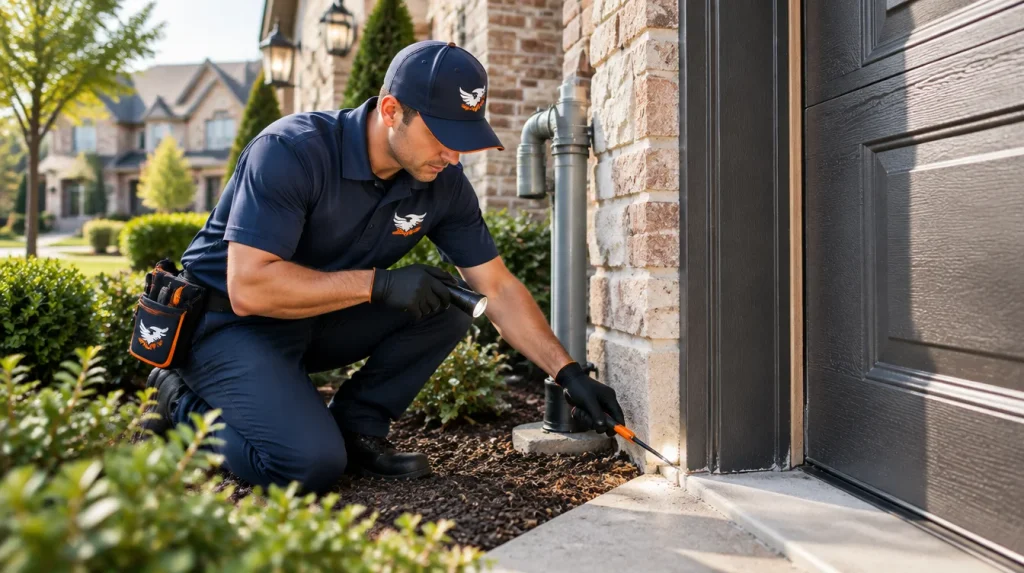
The most effective prevention strategy is to make your property less useful to pests.
Texas A&M’s integrated pest-management guidance emphasizes prevention and multiple control tactics rather than depending solely on pesticides.
Exterior pest-prevention checklist
- Seal obvious gaps around doors and utility penetrations.
- Repair damaged screens.
- Check garage-door seals.
- Keep gutters draining properly.
- Eliminate unnecessary standing water.
- Trim vegetation away from the structure where practical.
- Avoid leaving firewood or debris directly against the house.
- Keep outdoor trash containers closed.
- Correct persistent plumbing or irrigation leaks.
- Inspect roofline and vent openings for rodent access.
- Monitor recurring insect activity rather than treating every sighting identically.
Interior pest-prevention checklist
- Store pantry foods securely.
- Clean crumbs and grease.
- Avoid leaving pet food exposed unnecessarily.
- Repair leaks beneath sinks.
- Reduce clutter in low-disturbance storage areas.
- Inspect secondhand furniture before bringing it inside.
- Investigate droppings, gnawing or recurring insects rather than ignoring them.
DIY vs. Professional Pest Control
Minor, isolated pest problems can sometimes be addressed by removing food, water, shelter and access.
Professional evaluation becomes more appropriate when:
- pests repeatedly return;
- you cannot identify the pest;
- activity is occurring throughout multiple rooms;
- cockroaches are established indoors;
- rodents are inside the attic or walls;
- termites or wood damage are suspected;
- bed bugs are confirmed or strongly suspected;
- stinging-insect nests create an exposure risk;
- scorpions repeatedly enter the home;
- mosquito pressure remains high after breeding sources are addressed.
Texas requires businesses performing structural pest control for hire to be appropriately licensed. The Texas Department of Agriculture’s Structural Pest Control Service regulates pest-management professionals applying pesticides in and around structures.
What should professional pest control include?
The exact approach depends on the pest, but good pest management starts with understanding the problem.
That can include:
- identifying the pest;
- locating activity and harborages;
- identifying food, moisture and shelter;
- finding entry routes;
- selecting treatment appropriate to the pest and property;
- addressing conditions contributing to recurrence;
- monitoring or following up when necessary.
Seeing several types of pests around your Frisco property? Explore Supremacy Services’ pest-control options to determine whether targeted treatment, perimeter protection or pest-specific service fits the problem.
Don’t Treat Every Frisco Pest Problem the Same Way
One of the biggest mistakes homeowners can make is assuming that one spray solves every pest.
A cockroach living behind a refrigerator, mosquitoes developing in standing water, rats entering an attic and termites affecting wood require fundamentally different approaches.
Start with three questions:
What pest is it?
Why is it here?
Where is the activity coming from?
Once those answers are clear, choosing the appropriate response becomes much easier.
Frequently Asked Questions
What are the most common pests in Frisco, TX?
Frisco homeowners may encounter ants, cockroaches, spiders, mosquitoes, termites, rodents, scorpions, wasps, bed bugs, fleas and ticks. Which pests become problematic depends on season, weather and conditions around the property.
Are cockroaches common around North Texas homes?
Several cockroach species occur in Texas. Indoor infestations and outdoor species entering structures require different control strategies, so identifying the species and its hiding areas is important.
Are termites a problem in Frisco?
Termites occur in Texas and should be investigated when homeowners find swarmers, discarded wings, suspicious shelter tubes or wood damage. A professional inspection can help distinguish termite evidence from other wood or insect problems.
When is mosquito season in Frisco?
The City of Frisco conducts weekly mosquito trapping and testing during its defined mosquito season from May through November. Individual mosquito activity still depends on weather and local conditions.
Why do I suddenly have spiders around my house?
Spiders often remain where food and shelter are available. Increased insect activity around lights, landscaping, patios and entry points can therefore contribute to increased spider activity.
Does seeing one cockroach mean I have an infestation?
Not necessarily. However, repeated sightings—particularly of indoor species or multiple life stages—justify a closer inspection because cockroaches can remain hidden in protected areas.
Why do pests keep entering my house?
Food, water, shelter and accessible entry points are common factors. Plumbing penetrations, door gaps, damaged screens, garages, roof openings and landscaping can all contribute depending on the pest.
Can perimeter pest control prevent every pest?
No single treatment strategy is appropriate for every pest. Exterior pest management can be useful for many crawling insects, but termites, bed bugs, rodents, mosquitoes and established indoor cockroach infestations can require different or additional strategies.
When should I call a pest-control professional?
Consider professional help when pests repeatedly return, you cannot identify the source, termites or rodents are suspected, bed bugs are present, stinging insects create a safety concern, or DIY prevention is not controlling the problem.
Need Help Identifying a Pest Around Your Frisco Home?
Finding the pest is only the first step. Long-term control depends on understanding where it is living, how it is entering and what conditions are allowing it to remain.
Supremacy Services provides pest-control solutions throughout Frisco and the DFW area, including general perimeter protection and targeted services for cockroaches, spiders, scorpions, rodents, mosquitoes, termites, bed bugs and other pest problems.
Schedule a Frisco pest inspection with Supremacy Services to identify the problem and determine the appropriate treatment strategy for your property.

