
📑 In this guide
Can an Electric Car Charger Be Installed in a Garage? The Short Answer from an HVAC Perspective
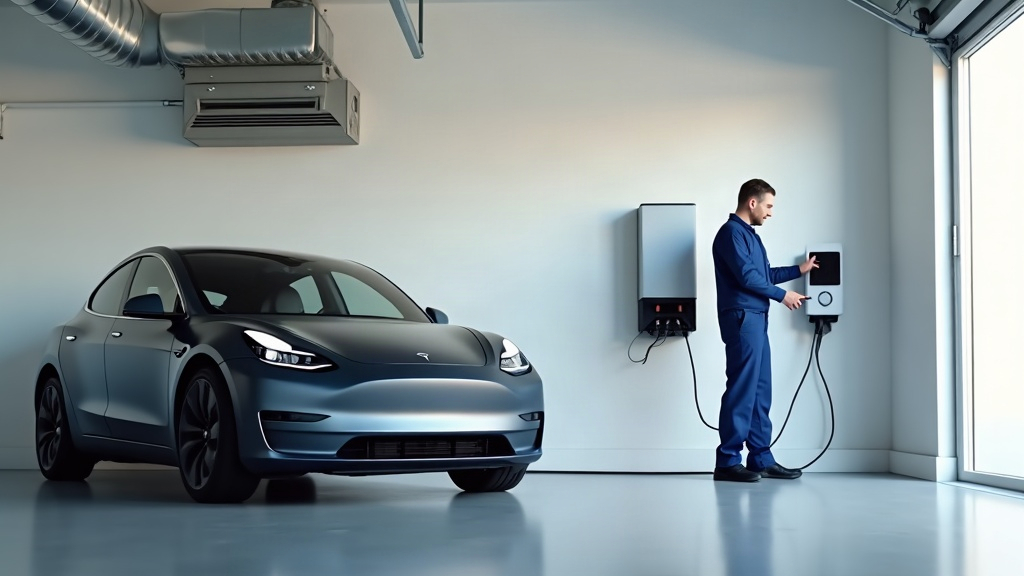
Yes, an electric car charger can absolutely be installed in a garage. In fact, the garage is the most common and practical location for residential EV charging. But as an HVAC contractor, I’ll tell you that the real question isn’t just about electrical capacity—it’s about thermal dynamics and load management. Your garage shares more with your HVAC system than you think, especially when it comes to heat generation and ventilation.
Modern Level 2 chargers, like the ClipperCreek HCS-60 or Tesla Wall Connector, draw substantial current—typically 30 to 60 amps. That power generates waste heat both in the charger unit and in your vehicle’s battery. In a tightly sealed, unconditioned garage, this heat can accumulate and affect ambient temperature, potentially impacting any nearby HVAC equipment like a furnace, water heater, or air handler.
Understanding the Thermal Impact: EV Chargers and Your Garage’s HVAC Load
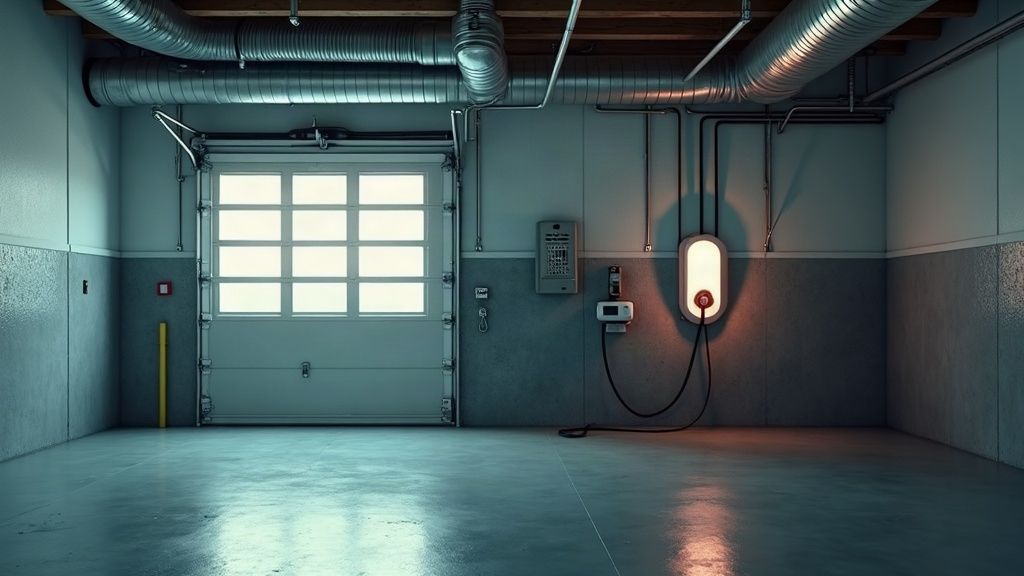
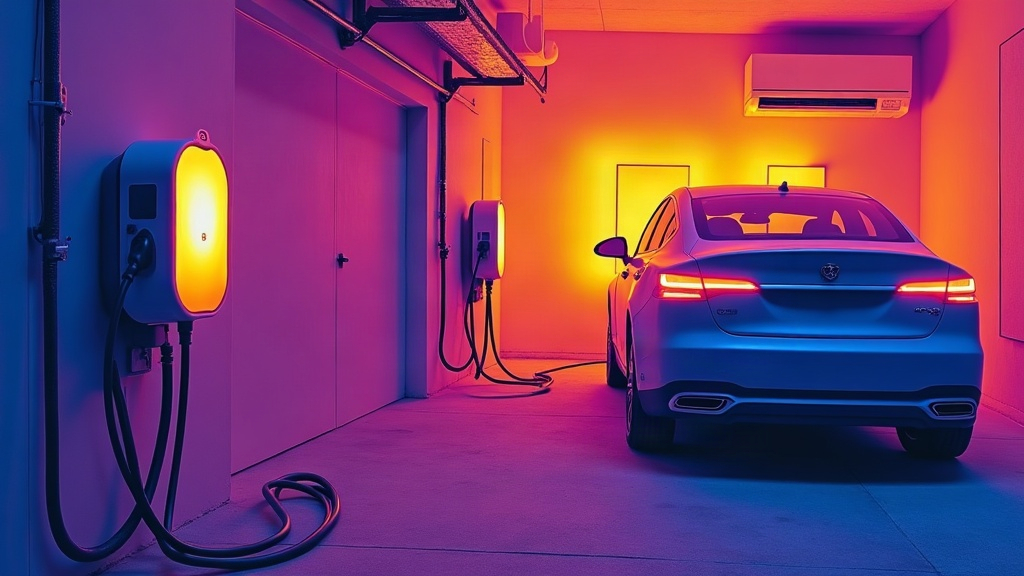
When you plug in your EV, the charging equipment emits heat from the power conversion process. In the summer, especially in Dallas where garage temperatures can exceed 110°F, you have a double whammy: external heat gains plus the charger’s heat rejection. If your HVAC system has ductwork or an air handler in the garage—common in many Texas homes—that excess heat can force your system to work harder, increasing your cooling load.
According to a study by Sandia National Laboratories, high ambient temperatures can derate EV charger output and reduce battery efficiency. In extreme heat, some charging systems throttle down to prevent overheating. That means your charge takes longer, and the wasted heat can stress nearby HVAC components. If your garage is attached and shares a wall with living space, this can also affect indoor comfort.
| Aspect | Garage with EV Charger | Garage Without EV Charger |
|---|---|---|
| Summer Heat Gain | High – charger and battery add ~2-5 kW of waste heat | Moderate – solar + transmission |
| HVAC Ductwork | Operates hotter if ducts in garage | Less impact |
| Winter Cold | Charger may generate little heat, battery pre-conditioning draws power | Even colder, more heat loss |
| Ventilation Requirement | Recommended – permit operation up to 122°F | Standard |
Electrical Load and Panel Size: The HVAC Technician’s Overlap with EV Charger Installation
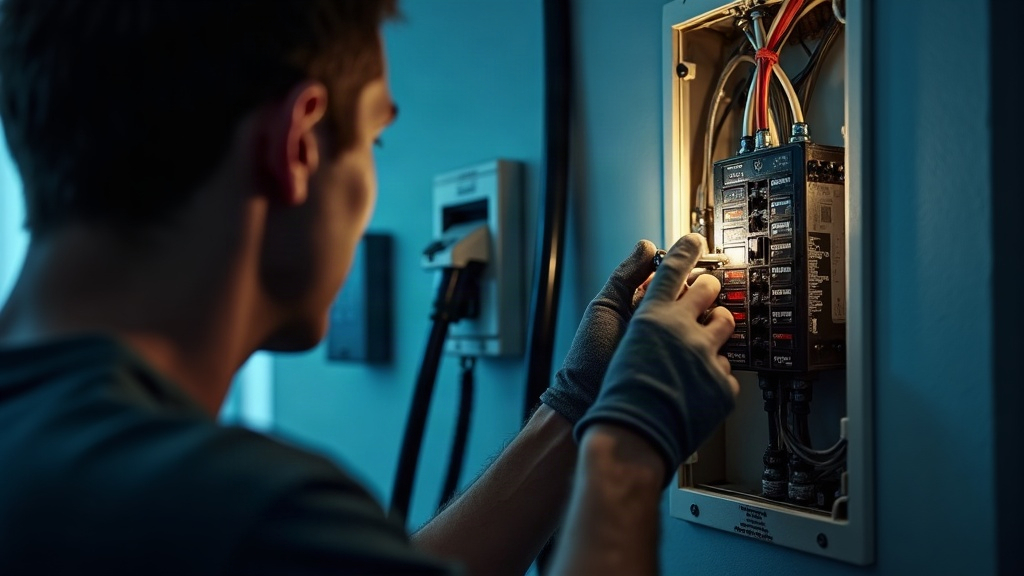
Proper installation of an electric car charger in your garage isn’t just about the charger itself. It’s about your whole-house electrical panel capacity. A Level 2 charger can add 60 amps of continuous load—equivalent to a central AC or electric furnace. If your home was built in the 1980s with a 100-amp panel, you’re likely to need a service upgrade.
At Supremacy, we handle panel upgrades as part of our EV charger installation service. We also coordinate with HVAC load calculations to ensure that the new charger doesn’t push your panel over the limit when AC and heat are running simultaneously. For instance, a 200-amp service can typically handle an EV charger, a 4-ton AC unit, and an electric dryer simultaneously, but the margin is tight.
Ventilation and Code Compliance: Integrating EV Chargers with Garage HVAC and Exhaust Systems
Ventilation is a critical safety factor when installing EV chargers in enclosed spaces. The International Residential Code (IRC) and National Electrical Code (NEC) have specific requirements to prevent heat and noxious gas build-up. While EV chargers themselves do not produce carbon monoxide (unless a gas engine is accidentally running), the heat they generate can exacerbate ventilation issues, especially if your garage is home to a gas water heater or furnace.
Proper clearance is essential. We recommend maintaining at least 3 feet of clearance between the charger and any HVAC components. Additionally, ensure your garage has adequate active or passive ventilation. Passive louvers or a simple exhaust fan can help dissipate heat. If you have a sealed garage for noise control, consider a ducted ventilation solution that ties into your HVAC system. Always consult local codes; in Dallas, for example, new construction often requires a garage EV charger rough-in, but retrofits demand careful planning.
Professional Installation Services: Contact Supremacy for a Seamless EV Charger Setup
Given the technical complexity, we strongly advise hiring a licensed electrician with HVAC awareness. An improper installation can void your charger’s warranty, cause nuisance trips, and create fire hazards. At Supremacy, we specialize in EV charger installations in the Dallas-Fort Worth area, and we bring combined electrical and HVAC expertise to ensure your garage charging setup is safe, efficient, and code-compliant.
We handle everything from panel upgrades and dedicated circuits to thermal load assessments and ventilation integration. Our technicians also work seamlessly with your existing heat pump or air conditioning system to avoid any conflicts. So if you’re considering an EV charger in your garage, trust us to deliver a professional install that keeps your vehicle powered and your home comfortable.
Ready to make the switch? Contact Supremacy Service today for a consultation.
Need a Professional EV Charger Install in Dallas?
Call Supremacy Service at (972) 555-1234 for code-compliant EV charger installation that integrates with your home’s electrical and HVAC systems.
Frequently Asked Questions
Does an EV charger in the garage require special ventilation?
Yes, although EV chargers don’t produce carbon monoxide, they generate heat. The National Electrical Code (NEC) does not require active ventilation for dedicated EV charging circuits, but proper clearance and passive airflow are recommended to prevent heat buildup, especially in garages with HVAC equipment. In Texas, a garage exhaust fan or louvered vent is often sufficient.
Can my existing HVAC system handle a completely sealed garage with an EV charger?
If your garage is sealed for insulation and you have an HVAC supply or return in the garage, you must ensure your system can handle the added cooling load. Charging an EV can add significant heat during summer. In many cases, upgrading insulative values or adding a mini-split or ventilation may be necessary. Consult your HVAC professional to perform a load calculation.
What are the costs associated with installing a garage EV charger and potential panel upgrade?
For a Level 2 charger, installation ranges from $500 to $2,000 for labor, depending on the distance to your panel and local code requirements. If your electrical panel needs upgrading from 100A to 200A, expect to add an additional $1,500 to $3,500. In Dallas, many homes require this upgrade to safely accommodate the charger and existing HVAC loads.
Is it safe to install an EV charger near a gas water heater in the garage?
Yes, as long as you maintain proper clearance and follow the manufacturer’s instructions. The water heater and charger should have at least 3 feet of separation. Additionally, the water heater needs to be elevated and have proper ventilation for its exhaust. A licensed electrician will ensure safe spacing and any necessary combustible clearance requirements are met.

