

Table of Contents
Why Seasonal HVAC Prep Matters for Homeowners
Seasonal HVAC prep is not optional—it’s a financial and safety imperative. According to Energy Star, routine maintenance can reduce heating and cooling costs by up to 30%. In Dallas, TX, where summers hit 100°F and winters can drop below freezing, a neglected system risks catastrophic failure.
Your HVAC system works hardest during transition months. Fall and spring are the ideal windows to inspect, clean, and tune equipment. This The Homeowner’s Checklist for Seasonal HVAC Prep is designed to prevent emergency breakdowns and extend system lifespan.
Industry data from Energy Star shows that proper maintenance increases efficiency by 5% to 15%. For a typical Dallas home, that translates to hundreds of dollars saved annually.
1. Inspect and Replace Air Filters
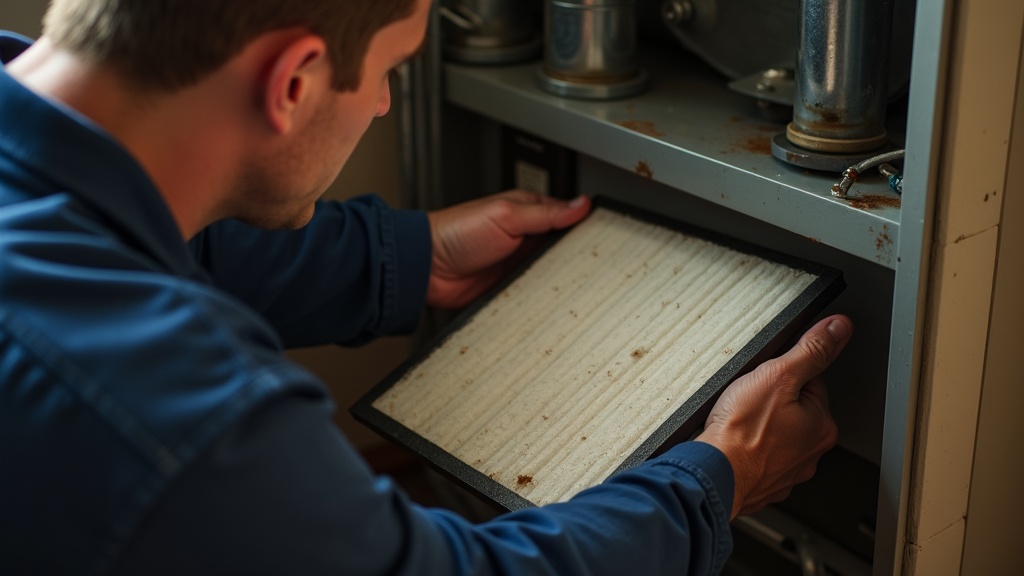
Air filters are the first line of defense against airborne debris Clogged filters force your system to work harder, increasing energy use and wear. In Dallas, where pollen and dust peak in spring and fall, check filters monthly.
Replace standard 1-inch filters every 90 days, or 30 days if you have pets or allergies. High-MERV filters capture more particles but may restrict airflow—consult your HVAC manual. A dirty filter can cause frozen coils in summer and overheating in winter.
Set a calendar reminder for the first of each season. This single step prevents 80% of common HVAC malfunctions according to the National Comfort Institute.
2. Clean Coils and Check Refrigerant Levels
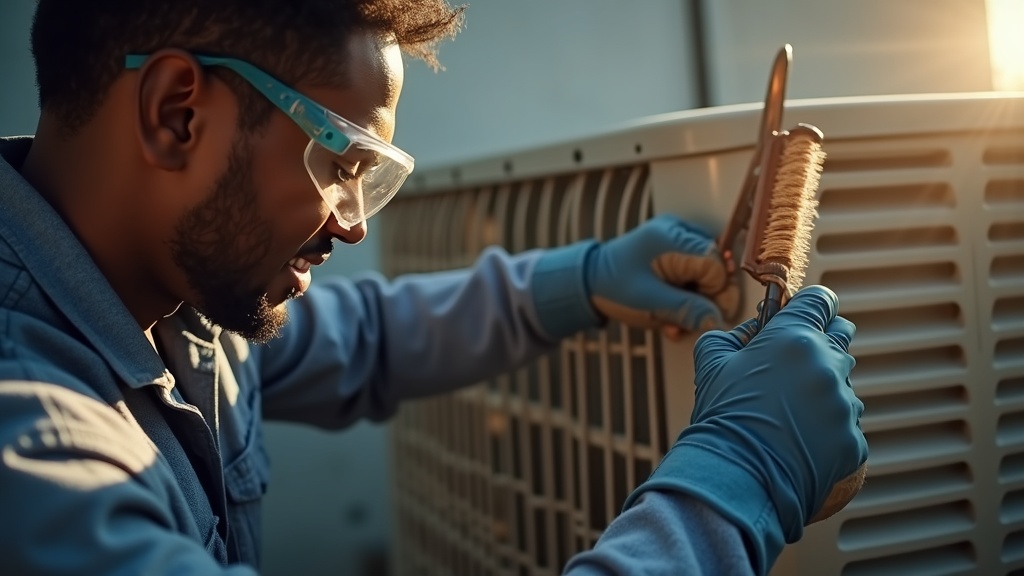
Evaporator and condenser coils collect dirt over time, reducing heat transfer efficiency. In Dallas, cottonwood and construction dust coat outdoor units quickly. Use a soft brush and coil cleaner annually.
Refrigerant levels must stay within manufacturer specs. Low refrigerant indicates a leak, which damages the compressor. Symptoms include longer run times, warm air, and ice buildup on copper lines. Only licensed professionals should handle refrigerant.
Many Air Conditioner Repair calls in Dallas stem from low refrigerant or dirty coils. Incorporate coil cleaning into your spring checklist.
3. Test Thermostat and Smart Controls
Your thermostat dictates comfort and energy consumption. Programmable and smart thermostats, like the Nest or Ecobee, offer scheduling and remote control. In Dallas, a 7-day programmable model can cut cooling costs by 10%.
Test heating and cooling modes before each season. Verify that the thermostat responds to temperature changes and maintains set points. Replace batteries annually.
Smart upgrades have become popular in Dallas homes. For expert installation, consult Heat Pump Installation services if you’re considering a heat pump system with integrated smart control.
4. Inspect Ductwork for Leaks and Insulation
Leaky ducts in unconditioned attics or crawl spaces waste 20-30% of conditioned air. In Dallas, where attics hit 140°F, duct leaks severely impact cooling. Check for visible tears, disconnected sections, and poor seals at registers.
Seal gaps with mastic tape or aerosol-based sealants. Insulate ducts in unconditioned spaces to R-8 or higher. Professional Duct Inspection Services in Dallas, Tx use cameras and pressure testing to find hidden leaks.
Poor ductwork also compromises indoor air quality, pulling pollutants from attics into living spaces.
5. Clear Debris from Outdoor Unit
Outdoor condenser units need at least two feet of clearance on all sides. Leaves, grass, and weeds block airflow, causing the system to overheat and short-cycle. In Dallas, high winds after storms deposit debris rapidly.
Trim shrubs and foliage back. Use a garden hose to gently wash fins (avoid pressure washers). Turn off power before cleaning. Inspect the unit for dents or bent fins—straighten them with a fin comb.
If you notice unusual sounds during operation, refer to our guide Why Is My AC So Loud? Expert Diagnosis and Repair Guide.
6. Schedule Professional Tune-Up
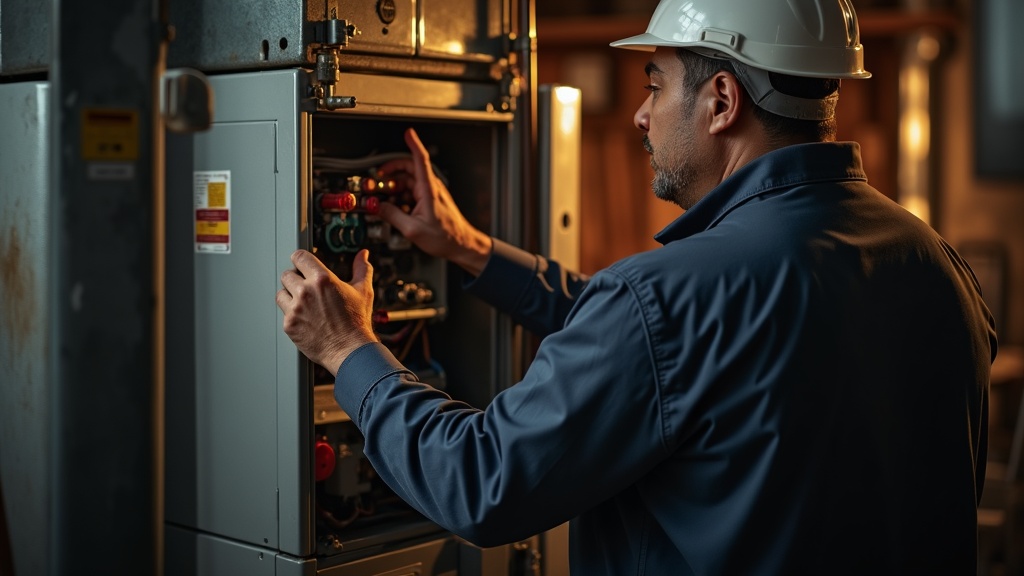
Even diligent homeowners benefit from a licensed HVAC technician’s inspection. A typical tune-up includes checking electrical connections, lubricating moving parts, measuring airflow, and verifying safety controls. The cost of a tune-up is far less than an emergency repair.
In Dallas, companies like HVAC Repair in Dallas, Texas offer seasonal maintenance plans. Spring and fall are peak booking times—schedule early.
Technicians also test carbon monoxide levels for gas furnaces, a critical safety step. The National Fire Protection Association (NFPA) recommends annual furnace inspections to prevent fires.
7. Check and Seal Windows and Doors
Your HVAC system cannot compensate for a leaky building envelope. According to the U.S. Department of Energy, drafts can increase heating costs by 10-20%. In Dallas, single-pane windows are common in older homes.
Test for leaks with a smoke pencil or incense stick. Apply weatherstripping around doors and caulk gaps around window frames. Consider energy-efficient window films or insulated curtains.
Sealing the envelope complements your seasonal HVAC prep and maximizes the benefits of system upgrades.
Seasonal HVAC Prep Checklist Table
| Task | Spring | Fall | Frequency |
|---|---|---|---|
| Replace air filter | ✔ | ✔ | Every 30-90 days |
| Clean condenser coils | ✔ | ✔ | Annually |
| Test thermostat | ✔ | ✔ | Biannually |
| Inspect ductwork | ✔ | ✔ | Every 2 years |
| Clean outdoor unit | ✔ | ✔ | Seasonally |
| Professional tune-up | ✔ | ✔ | Annually |
| Seal windows/doors | ✔ | ✔ | As needed |
Frequently Asked Questions About Seasonal HVAC Prep
How often should I replace my HVAC air filter?
Replace standard 1-inch filters every 90 days. If you have pets, allergies, or live in a dusty area like Dallas, replace every 30 to 60 days.
What is the best time for seasonal HVAC maintenance?
Schedule maintenance in late spring for air conditioning and early fall for heating. This avoids peak service demand and ensures your system is ready.
Can I perform HVAC maintenance myself?
Yes, for simple tasks like filter replacement, cleaning the outdoor unit, and checking thermostat settings. However, electrical work and refrigerant handling require a licensed technician.
How much does a professional HVAC tune-up cost in Dallas?
Typical costs range from $80 to $200 depending on the system and added services. Many companies offer seasonal maintenance plans that reduce individual visit costs.
What happens if I skip seasonal HVAC prep?
Neglecting prep leads to higher energy bills, reduced comfort, and a higher risk of mid-season breakdowns. It also voids manufacturer warranties and shortens equipment lifespan.
Frequently Asked Questions
How often should I replace my HVAC air filter?
Replace standard 1-inch filters every 90 days. If you have pets, allergies, or live in a dusty area like Dallas, replace every 30 to 60 days.
What is the best time for seasonal HVAC maintenance?
Schedule maintenance in late spring for air conditioning and early fall for heating. This avoids peak service demand and ensures your system is ready.
Can I perform HVAC maintenance myself?
Yes, for simple tasks like filter replacement, cleaning the outdoor unit, and checking thermostat settings. However, electrical work and refrigerant handling require a licensed technician.
How much does a professional HVAC tune-up cost in Dallas?
Typical costs range from $80 to $200 depending on the system and added services. Many companies offer seasonal maintenance plans that reduce individual visit costs.
What happens if I skip seasonal HVAC prep?
Neglecting prep leads to higher energy bills, reduced comfort, and a higher risk of mid-season breakdowns. It also voids manufacturer warranties and shortens equipment lifespan.

