10400 Clarence Drive, Frisco, TX 75033
Support 24/7: 945-777-3345

NORTH TEXAS SQUIRREL REMOVAL

Squirrel Removal & Attic Exclusion in Dallas-Fort Worth

Hearing scratching, running or chewing sounds above the ceiling, especially during the day?

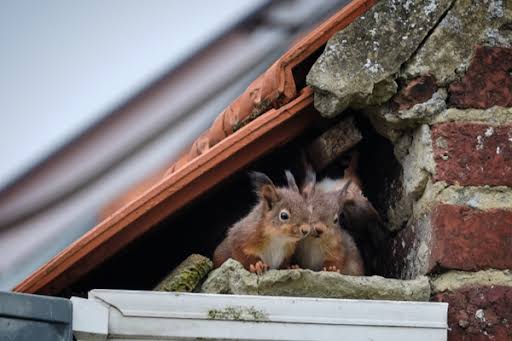
Squirrels can enter attics through vulnerable rooflines, vents, soffits and other exterior openings, where they may establish nesting areas and damage building materials.

Supremacy Service provides professional squirrel removal throughout DFW focused on identifying active wildlife, finding how it entered and helping secure vulnerable areas against recurring activity.

Residential

Commercial

Attic Wildlife

Exclusion Services

North Texas Service

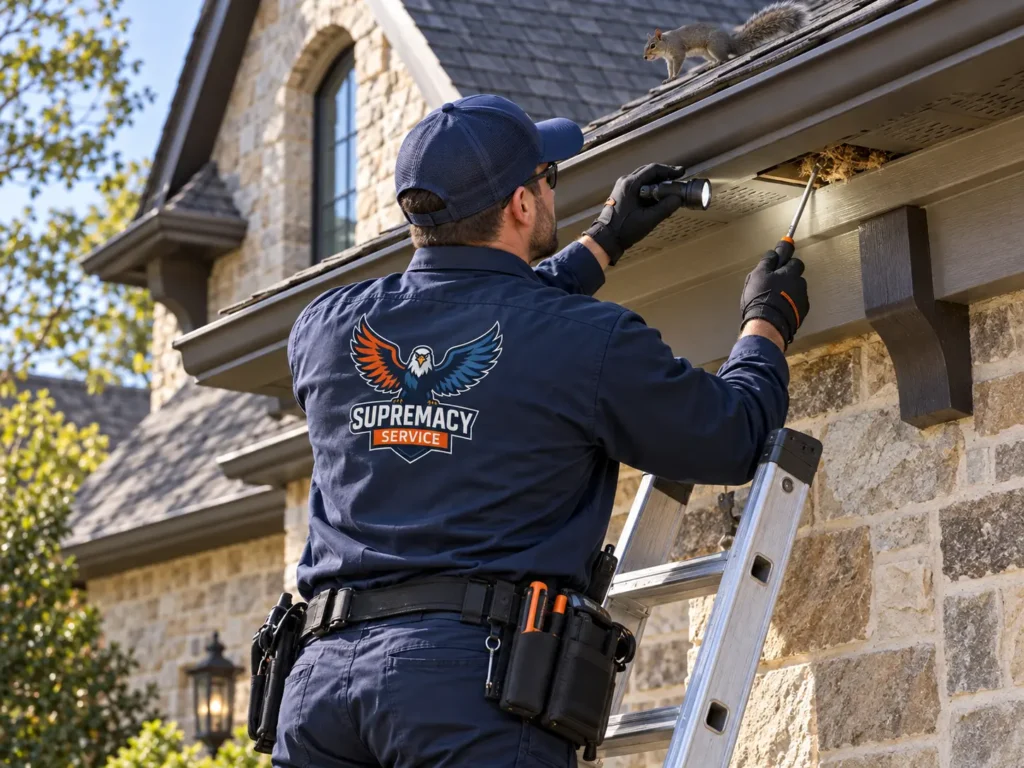
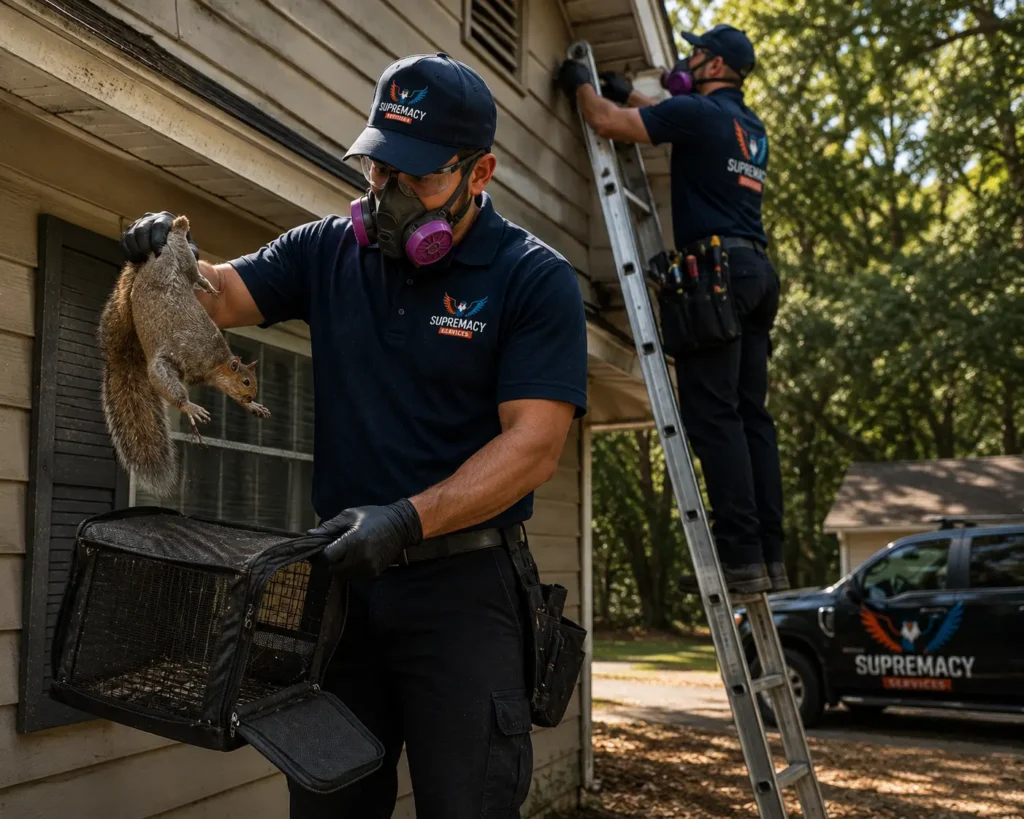
Technician inspecting roofline, soffit or attic

🐿️ Squirrel Activity & Attic Infestation Signs

Running in the Attic

Fast movement above ceilings during daylight hours can be associated with squirrel activity.

Chewing & Gnawing

Squirrels may chew wood, insulation and other materials around nesting areas.

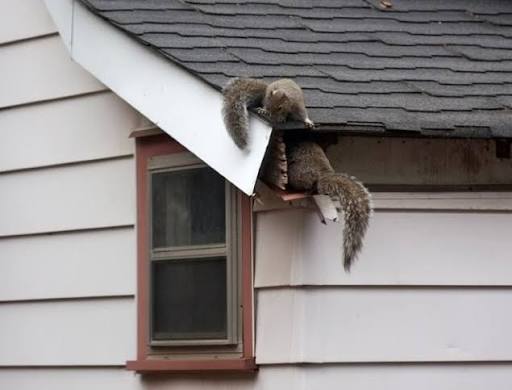
Roofline Entry

Damaged soffits, vents and construction gaps can provide access into attic spaces.

Recurring Wildlife

Removing an animal without addressing how it entered can leave the structure vulnerable.

Exterior Wire or Branch Highways

Overhanging trees and utility lines close to the roofline give squirrels easy, direct access to your home's weakest entry points.

How Do Squirrels Get Into North Texas Attics?

Soffit Gaps

Damaged or vulnerable soffits can provide access to attic spaces.

Roofline Openings

Construction gaps or damaged areas around roof edges may provide entry.

Roof Vents

Unprotected or damaged vents may become wildlife access points.

Fascia Damage

Weak or damaged fascia areas can expose protected structural spaces.

Gable Vents

Openings or damaged screening around vents may provide access.

Eaves

Protected edges beneath the roof can conceal potential entry locations.

Construction Gaps

Small structural openings may become larger through repeated animal activity.

Tree Access

Branches near a roof can give squirrels convenient access to upper parts of a home.

Don't Just Remove The Squirrel

Catching or removing a squirrel doesn’t necessarily explain how it entered the home.

If the access point remains open, the structure may still be available to wildlife afterward.

Our approach looks at both sides of the problem:

Removal Is Only Part of the Solution

Active Wildlife

Active Wildlife

Address the animal currently using the structure.

Structural Access

Structural Access

Determine how wildlife reached the attic.

Vulnerable Openings

Vulnerable Openings

Identify areas that may need reinforcement or repair.

Recurring Pressure

Recurring Pressure

Evaluate surrounding conditions that may contribute to future activity.

Hear Scratching in Your Ceilings?

Squirrels and wildlife won't leave on their own, and trapping them is only half the battle. Save 10% on complete home exclusion and wildlife proofing this month. Call today to seal them out for good!

›
Advanced Tools Service

Why Squirrels in the Attic Shouldn't Be Ignored

Once inside a structure, squirrels may interact with insulation, stored materials and building components.

Potential concerns can include:

Disturbed Insulation

Nesting and movement may displace or damage attic insulation.

Gnawing Damage

Squirrels naturally gnaw and may damage wood or other accessible materials.

Contamination

Wildlife may leave droppings and nesting debris around areas where it is active.

Structural Openings

Repeated use of an entry location may worsen an already vulnerable area.

Noise & Disruption

Movement above living spaces can become persistent and disruptive.

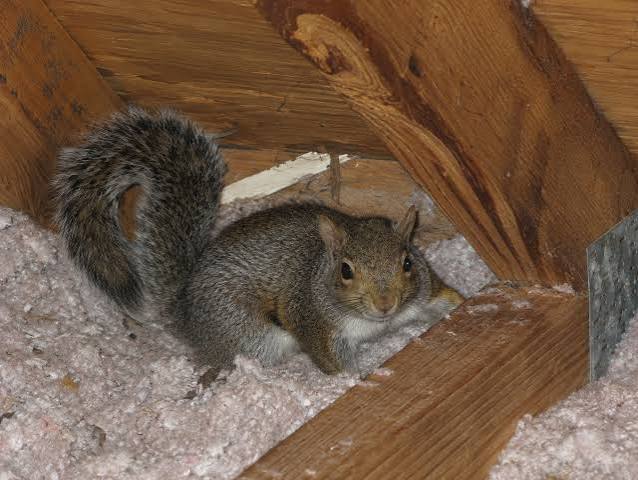
Could There Be a Squirrel Nest in the Attic?

Could There Be a Squirrel Nest in the Attic?

If nesting or young animals may be present, wildlife removal needs to be approached carefully rather than simply sealing an opening without understanding what is inside.

Signs of possible nesting may include:

  • Repeated travel through the same opening
  • Concentrated activity in one attic area
  • Nesting material
  • Consistent daytime movement
  • Exterior squirrels repeatedly accessing the roof

SQUIRREL OR RAT?

Is It a Squirrel or a Rat in My Attic?

SignSquirrelRat
Typical activityOften daytimeOften nighttime
MovementFaster, heavier runningScratching/scurrying
Roof accessStrong climbersSome rats are also capable climbers
Attic useCommonCommon
GnawingYesYes
IdentificationInspection recommendedInspection recommended

Then:

Noise alone isn’t enough to positively identify attic wildlife. An inspection can help determine what is actually using the structure.

ROOFLINE INSPECTION

It Starts With the Roofline

Squirrel problems often begin above eye level.

A ground-level pest inspection alone may miss the openings wildlife is using.

Our inspection can focus on:

  • Roof intersections
  • Soffit transitions
  • Fascia
  • Vents
  • Eaves
  • Construction gaps
  • Tree-to-roof access
  • Previously repaired wildlife openings


Our Squirrel Removal & Exclusion Process

01

Inspect

We inspect the attic, roofline and exterior for evidence of squirrel activity and likely access points.

02

Identify

We determine where wildlife is entering, traveling and potentially nesting.

03

Remove

An appropriate wildlife-removal strategy is developed based on the property and circumstances.

03

Exclude

After active wildlife has been addressed, vulnerable openings can be evaluated for repair or exclusion to help reduce re-entry.

Where Do Squirrels Hide?

The Bed Bugs You See May Not Be the Entire Infestation

Visible bed bugs may represent only a portion of the activity.

Eggs, immature bed bugs and adults can remain concealed inside furniture joints, mattress structures and narrow gaps.

That is why our strategy focuses on identifying harborages, not simply treating open surfaces.

Use three large callouts:

Find the Hiding Areas

Inspect the places bed bugs are most likely to occupy.

Target the Infestation

Direct treatment toward confirmed and likely activity zones.

Recheck the Property

Follow-up helps determine whether additional activity remains.

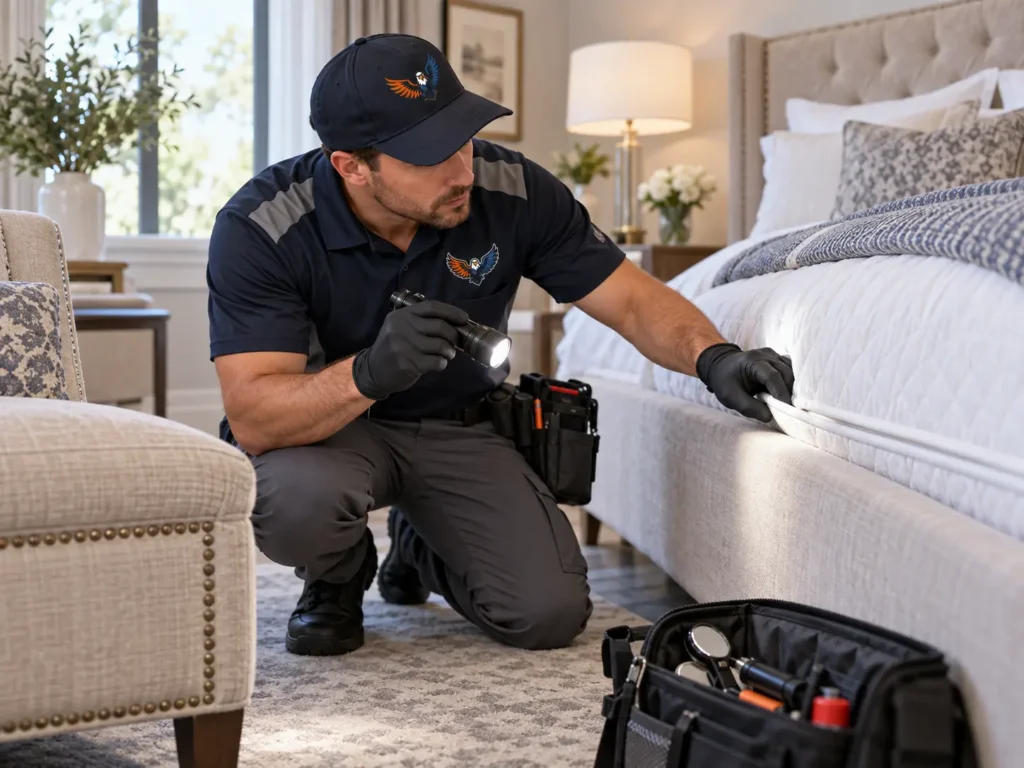
Technician inspecting mattress seams, bed frame or upholstered furniture
SQUIRREL RENOVAL & CONTROL + GENERAL PEST CONTROL

Found a Squirrel in the Attic? Avoid These Mistakes

Simply trapping a squirrel you see on your roof does not address the underlying damage they leave behind inside your insulation, wiring, or structural framework.

Effective wildlife management requires understanding exactly how they are entering, identifying the specific entry points around your roofline, and ensuring the structure is entirely sealed against future intruders.

  • Don't Immediately Seal the Opening
  • Don't Assume It's a Rat
  • Don't Ignore Daytime Noises
  • Don't Focus Only on the Animal

That is why our thorough inspection looks far beyond the surface.

For homes experiencing persistent or recurring wildlife activity, Supremacy Service combines advanced removal methods with comprehensive structural exclusion for a complete, long-term solution.

RESIDENTIAL

Residential Squirrel Removal For North Texas Homes

Mature trees, rooflines and attic spaces can make residential properties attractive to squirrels seeking shelter.

Supremacy Service provides squirrel-removal solutions for:

  • Single-family homes
  • Townhomes
  • Luxury residences
  • Garages
  • Outdoor kitchens
  • Pool areas
  • Patios
  • Detached structures
Residential Bed Bug Control
COMMERCIAL

Commercial Squirrel & Wildlife Removal

Commercial structures can also experience squirrel activity around roofs, mechanical areas and hidden structural spaces.

Supremacy Service can assist:

  • Retail properties
  • Restaurants
  • Offices
  • Multifamily properties
  • Hotels
  • Healthcare facilities
  • Warehouses
  • Schools
  • Property-management portfolios
  • Commercial developments
Commercial Pest Control

Why Do North Texas Homes Trust Supremacy For Squirrel Removal?

Wildlife Identification

We determine what is actually causing the attic activity before developing a strategy.

Attic & Exterior Inspection

We evaluate both the areas where activity is occurring and the exterior structure.

Exclusion Focus

Our approach considers how wildlife entered, not simply how to remove it.

North Texas Service

We provide wildlife and pest-control solutions for properties throughout Dallas-Fort Worth.

Squirrel Removal FAQs

How do I know if squirrels are in my attic?

Common signs can include daytime running or scratching noises, nesting material, roofline damage and repeated squirrel activity around a particular part of the roof.

Squirrels are generally active during daylight hours, which can help distinguish their activity from some nocturnal attic pests.

Potential entry locations include soffits, roofline gaps, vents, fascia areas and other vulnerable exterior openings.

Squirrel activity may disturb insulation, damage materials through gnawing and leave nesting debris or waste in areas they occupy.

Not before determining whether wildlife is still inside. Closing an active entry point without evaluating the situation can create additional problems.

If access points remain available, the structure may continue to be vulnerable to wildlife.

Activity timing can provide clues, but an inspection is the best way to determine what animal is present.

Supremacy Service can evaluate likely entry points and recommend exclusion measures based on the structure and wildlife activity.

Yes. Wildlife-control services can also be provided for appropriate commercial and multifamily properties.

Proudly Serving Dallas & Surrounding Metroplex Communities

Frisco
McKinney
Fort Worth
Southlake
Carrollton
Plano
Allen
North Dallas
Richardson
Dallas

Connect With Supremacy

  • 📞 Direct Line: 945-777-3345
  • 📍 HQ Location: 10400 Clarence Drive, Frisco, TX 75033
  • ✉️ Support: get@supremacyservice.com
  • ⏰ Hours: 24 Hours a Day, 7 Days a Week