NORTH TEXAS RAT CONTROL
Scratching in the attic. Droppings in the garage. Chewed materials. Noises inside the walls.
Rat activity can quickly become more than a nuisance when rodents establish themselves inside or around a structure.
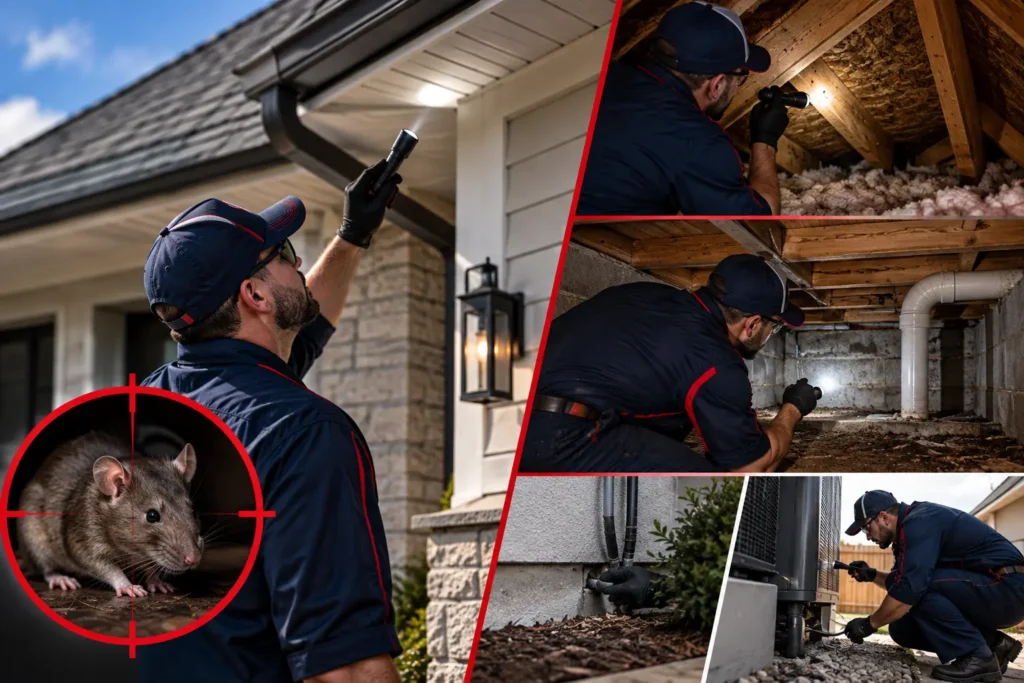
Supremacy Service provides professional rat control throughout DFW focused on finding active areas, identifying how rats are getting inside and building a strategy to control the infestation and reduce future entry.
Residential
Commercial
Attic & Structural Rodent Control
North Texas Service
Residential
Commercial
Attic & Structural Rodent Control
North Texas Service
Movement above ceilings or inside walls may indicate rodents are nesting or traveling through the structure.
Droppings around garages, storage areas, attics or utility spaces can indicate active rodent traffic.
Rats may gnaw on insulation, stored materials and other components around the property.
Gaps around rooflines, vents, utility penetrations and other openings can provide access into buildings.
Open trash bins, fallen fruit, and outdoor pet food dishes provide an easy, reliable food source that draws rodents to your property.
Removing an individual rat does not necessarily solve the reason rats entered the property.
Rats are constantly looking for three things:
food, shelter and access.
A property may continue experiencing activity when rodents can reach:
That is why effective rat management should look beyond the animal itself.
Supremacy Service evaluates both active rodent activity and the structural conditions allowing rats to use the property.
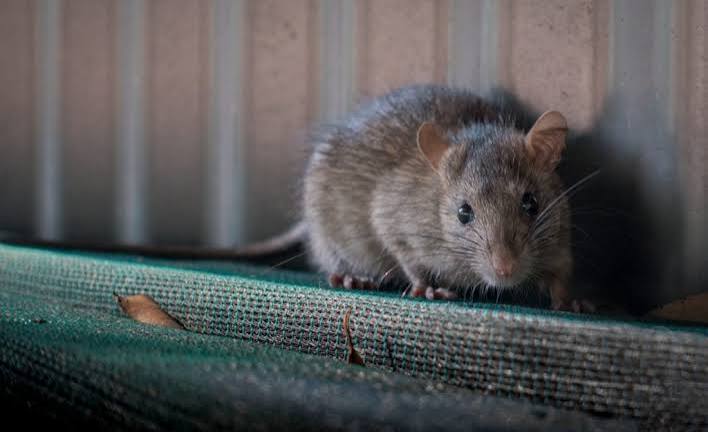
Roof rats are strong climbers and may use trees, fences, utility lines and structural features to reach upper areas of buildings. Activity may occur around: Attics Rooflines Soffits Trees near buildings Garages Upper storage areas
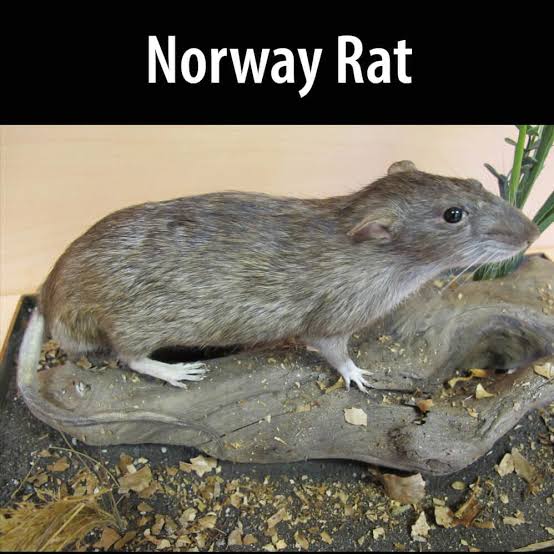
Norway rats are generally more ground-oriented and may establish themselves around lower structural areas, exterior environments and protected nesting locations. Activity may occur around: Foundations Garages Storage areas Waste areas Exterior structures Lower utility spaces
Beat the winter rodent rush! Book your seasonal exclusion and rodent prevention treatment before October 31st and save 15% on all premium protection packages.
HEARING SOMETHING ABOVE YOU?
Attics provide rats with shelter, warmth and relatively low disturbance.
Rats may reach attic spaces through roof gaps, vents, soffit openings, construction gaps and other exterior access points.
Signs of attic rat activity may include:
Our approach begins with determining whether rodents are present and how they may be entering the structure.
We inspect areas showing activity and evaluate possible rodent entry routes around the property.
We determine where rats are traveling, feeding or nesting and assess the severity of the problem.
A treatment strategy is developed based on the property, rodent pressure and areas of activity.
Where appropriate, vulnerable openings can be addressed to help reduce the likelihood of rodents re-entering the structure.
Rats are often active when buildings are quiet, which means the infestation may develop before the animals are regularly seen.
Look for:
If rats entered once, another rodent may be able to use the same opening later.
That is why our rodent strategy can go beyond simply addressing active animals. We look at:
The goal isn't simply to remove today's rat. It's to make the property harder for the next one to enter.
Rodents can affect homes in urban neighborhoods, suburban developments and properties bordering open land.
Supremacy Service provides rat-control solutions for:
Rodent activity around a commercial property can affect operations, stored goods, sanitation and customer perception.
Supremacy Service provides commercial rat-control solutions for:
| Sign | Rats | Mice |
|---|---|---|
| Body size | Larger | Smaller |
| Droppings | Generally larger | Generally smaller |
| Entry behavior | May climb or use structural openings | Can enter through very small gaps |
| Noise | Often heavier movement | Often lighter scratching |
| Damage | Strong gnawing capability | Smaller gnaw marks |
| Common concern | Attics, garages, exterior structures | Kitchens, storage, wall voids |
Then:
Correct identification matters because rat and mouse activity may require different inspection and control strategies.
Understanding what draws rodents to your home is the first step toward effective, long-term exclusion and prevention.
Pet food, garbage, bird seed, outdoor cooking areas and accessible stored foods may provide feeding opportunities.
Leaks, standing water and other moisture sources can support rodent activity.
Attics, garages, storage areas and structural voids provide protected nesting locations.
Roof gaps, vents, utility penetrations and exterior openings can allow rats into a building.
We start by understanding where activity is occurring rather than guessing.
Rat control includes evaluating how rodents may be using the building itself.
Where appropriate, we identify vulnerabilities that may require sealing or reinforcement.
We provide rodent-control solutions for homes and businesses throughout Dallas-Fort Worth.
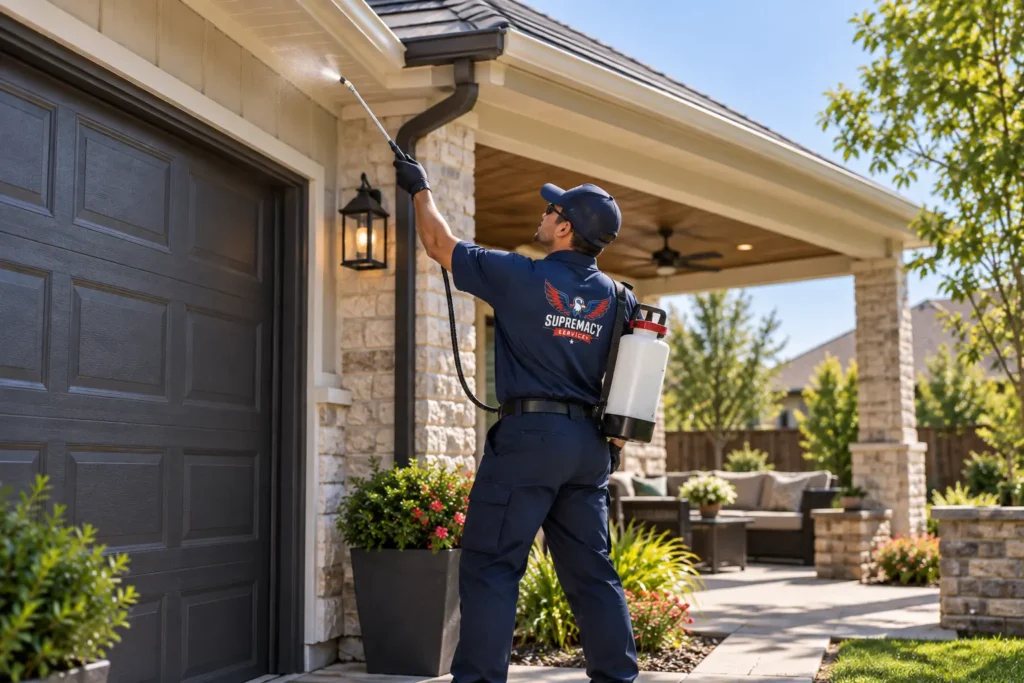
Our certified pest management specialists deliver complete perimeter security and targeted eradication, protecting your structural foundation, family, and outdoor living spaces from invasive Texas pests.
Common signs include scratching or movement at night, droppings, damaged insulation, nesting material and gnaw marks.
Rats are commonly more active when properties are quiet and human activity has decreased.
Possible entry routes include roofline gaps, vents, soffits, garages, utility penetrations and other structural openings.
Some rat species are capable climbers and may use trees, fences, utility lines and structural features to reach higher areas of a building.
Active rodents need to be addressed, but identifying and correcting entry points can also be important in reducing recurring activity.
Rodent exclusion refers to identifying and addressing openings or structural vulnerabilities that rats and other rodents may use to enter a building.
Yes. Supremacy Service provides rodent-control solutions for commercial properties including restaurants, warehouses, retail facilities, multifamily properties and other facilities.
Yes. Our rodent-control services can address both rat and mouse activity, although treatment strategies may differ depending on the species and property.